

A roof system is a set of materials and details, not a label chosen from a building’s use. In Denton, TX, we confirm the membrane or panel, attachment, insulation, flashing, edges, and drainage before recommending work. Records can narrow the question, but field observations control the scope. A TPO roof review and a PVC assembly review address different material details.
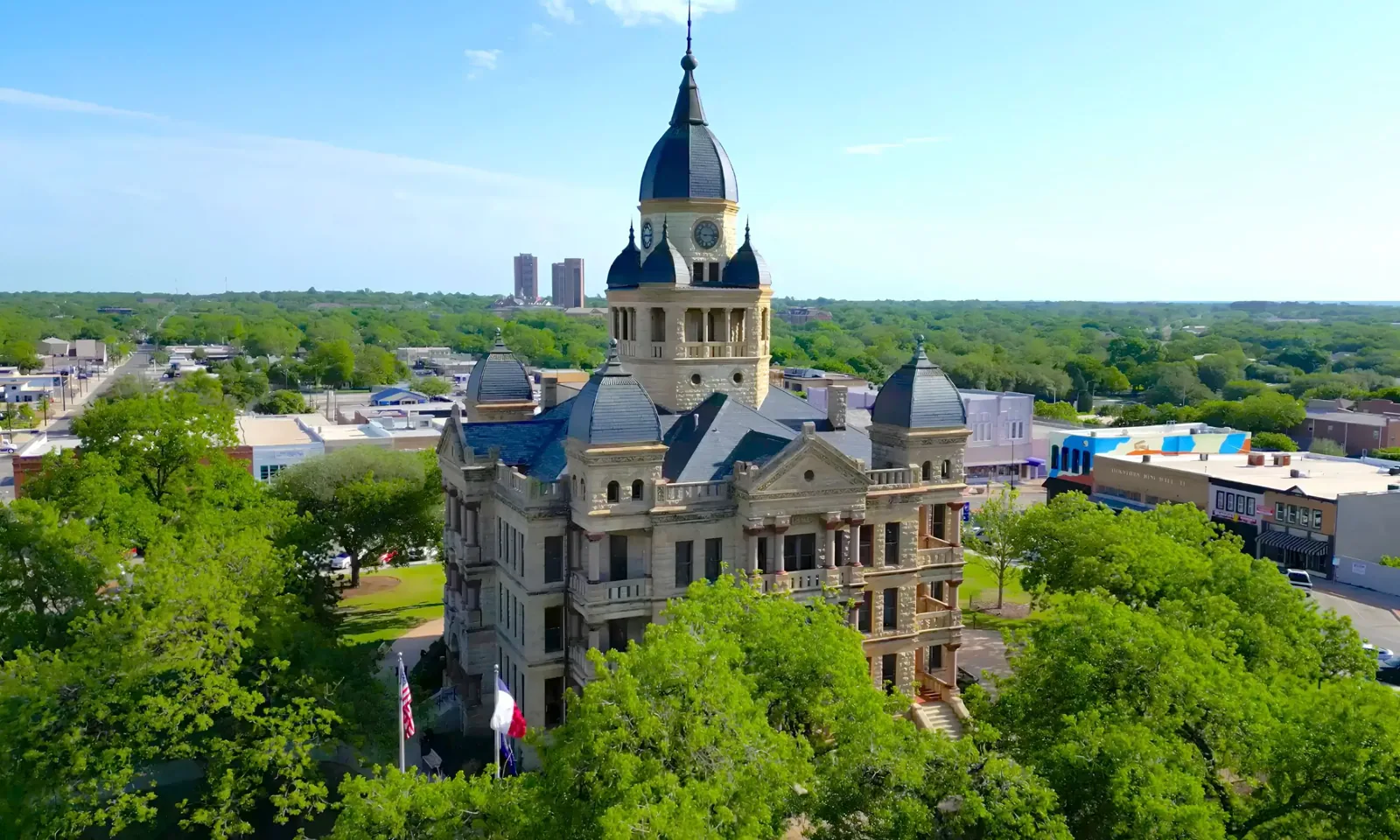
Roof Systems in Denton, TX
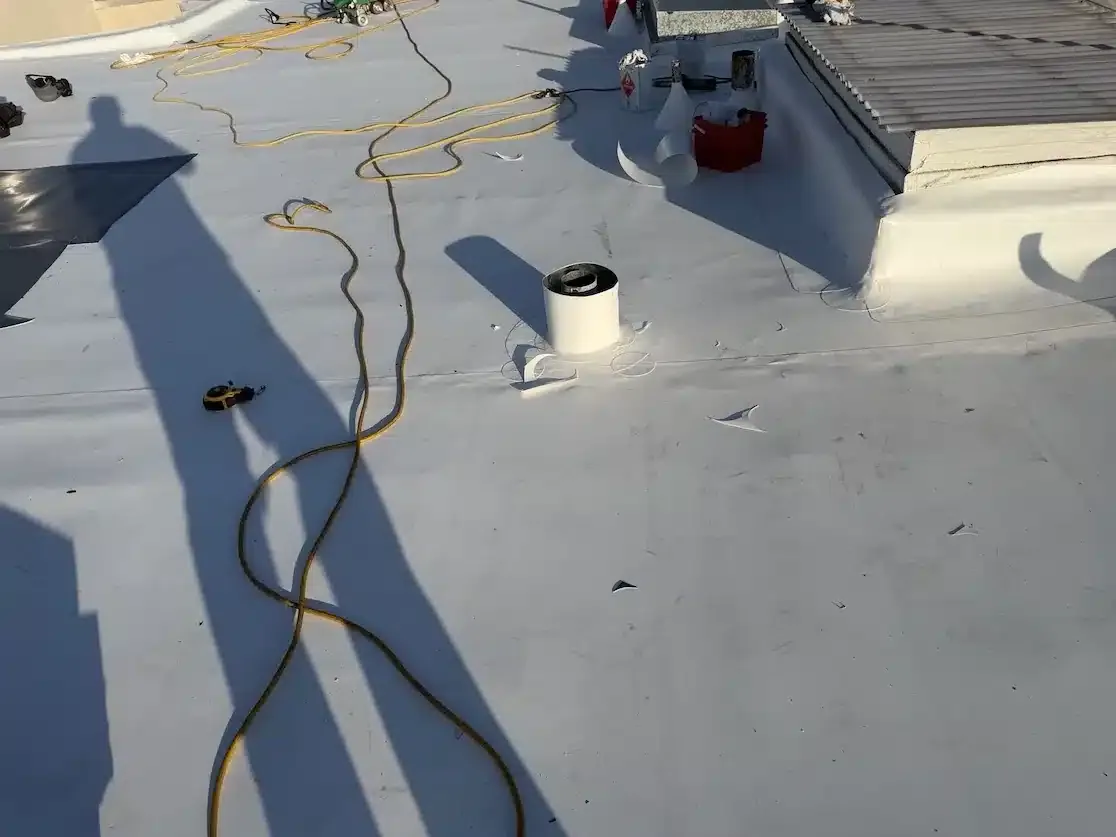
TPO Roofing
Review TPO seams, flashings, drainage, attachment, repair options, and closeout records for commercial roofs in Denton, TX before work is scoped.
Learn More
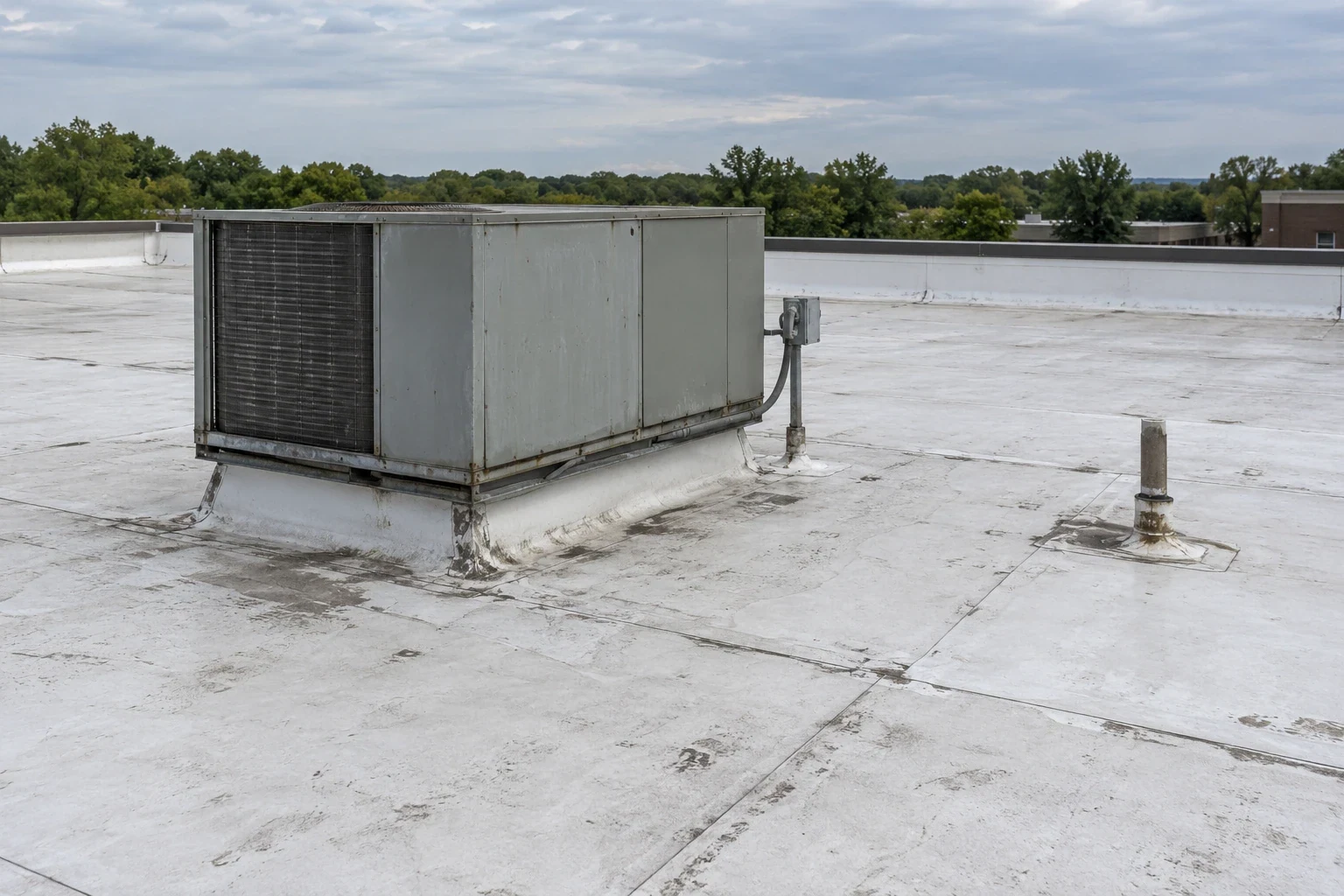
PVC Roofing
Review PVC membrane seams, chemical exposure, flashing, drainage, repair options, and roof records for commercial properties in Denton, TX.
Learn More
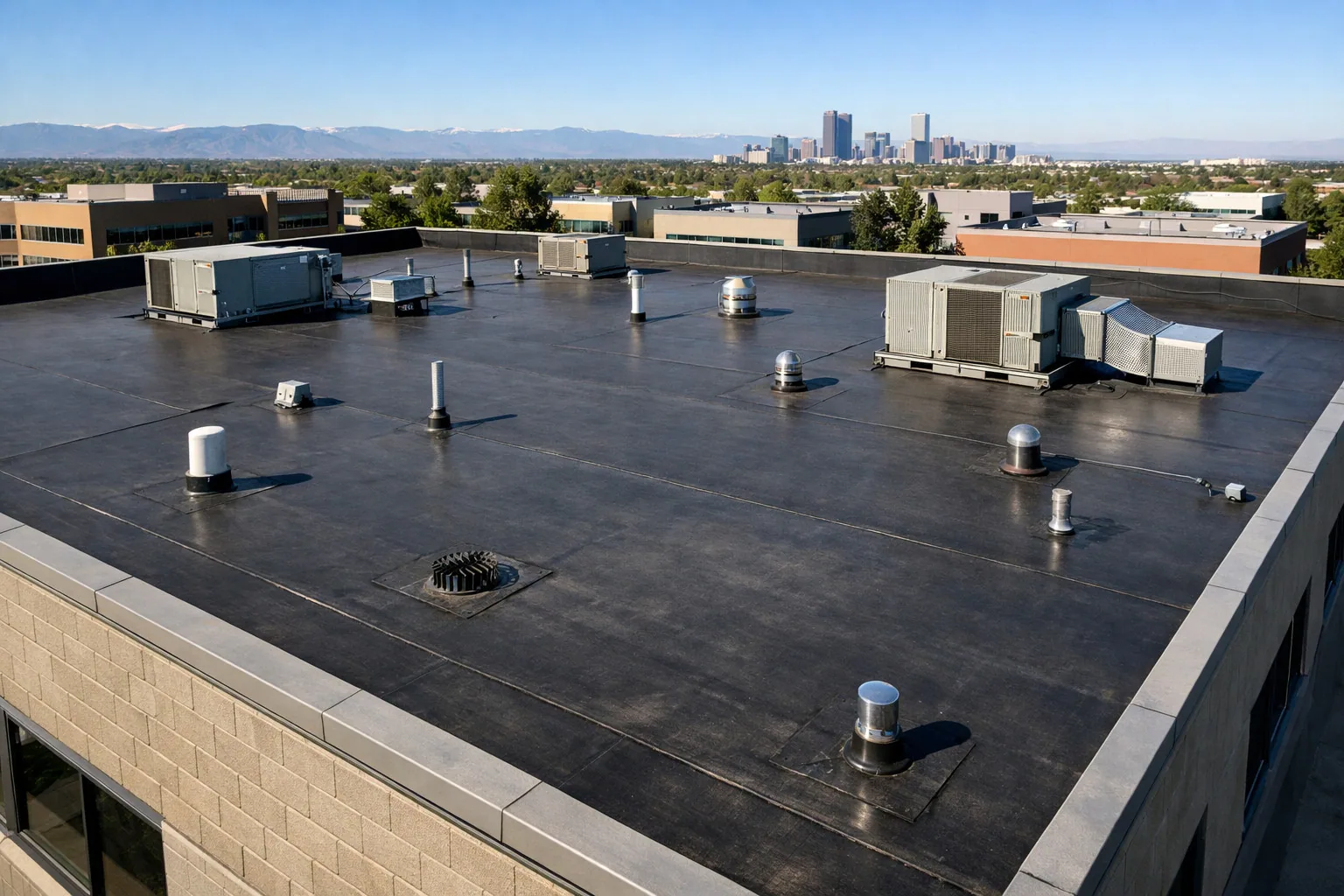
EPDM Roofing
Review EPDM seams, membrane condition, drainage, flashing, repair choices, and roof records for commercial buildings in Denton, TX.
Learn More
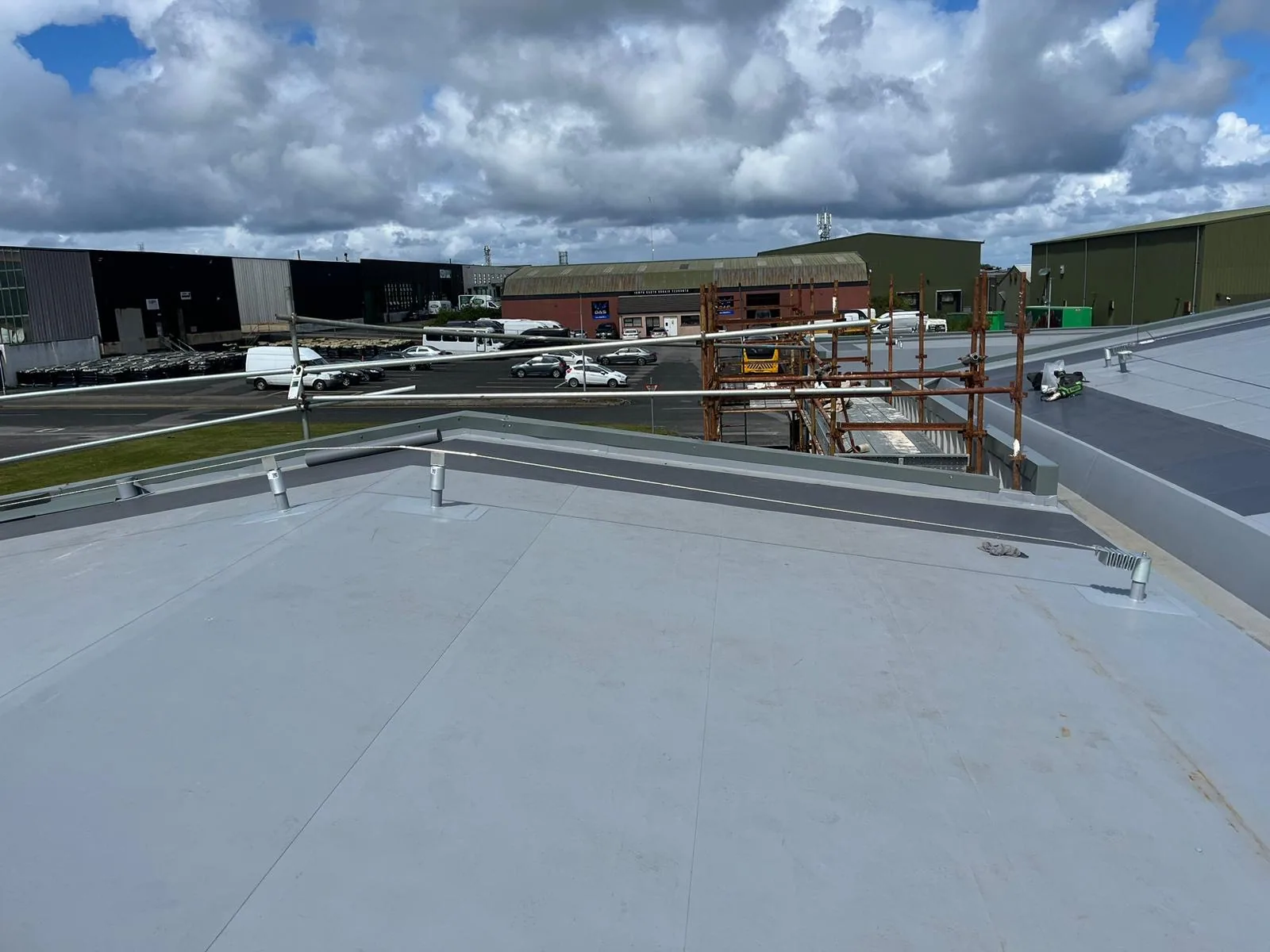
KEE Roofing
Assess KEE and PVC-alloy membrane records, welds, flashing, repair scope, and capital decisions for commercial roofs in Denton, TX.
Learn More
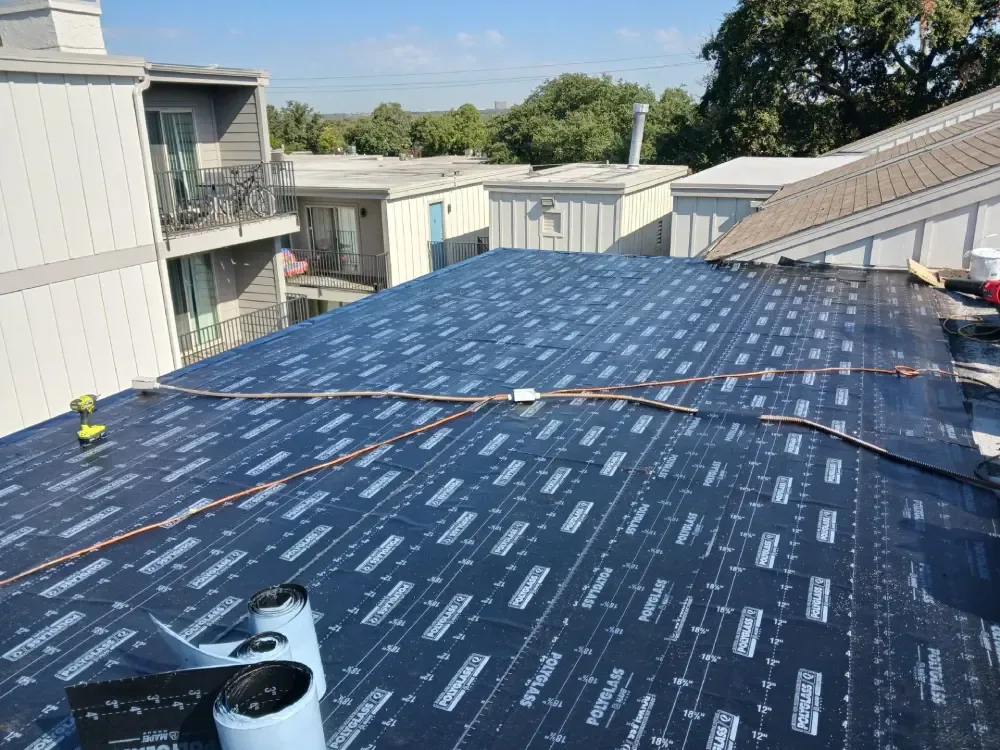
Modified Bitumen Roofing
Review modified bitumen plies, seams, flashing, repair choices, and project records for low-slope commercial roofs in Denton, TX and nearby cities.
Learn More
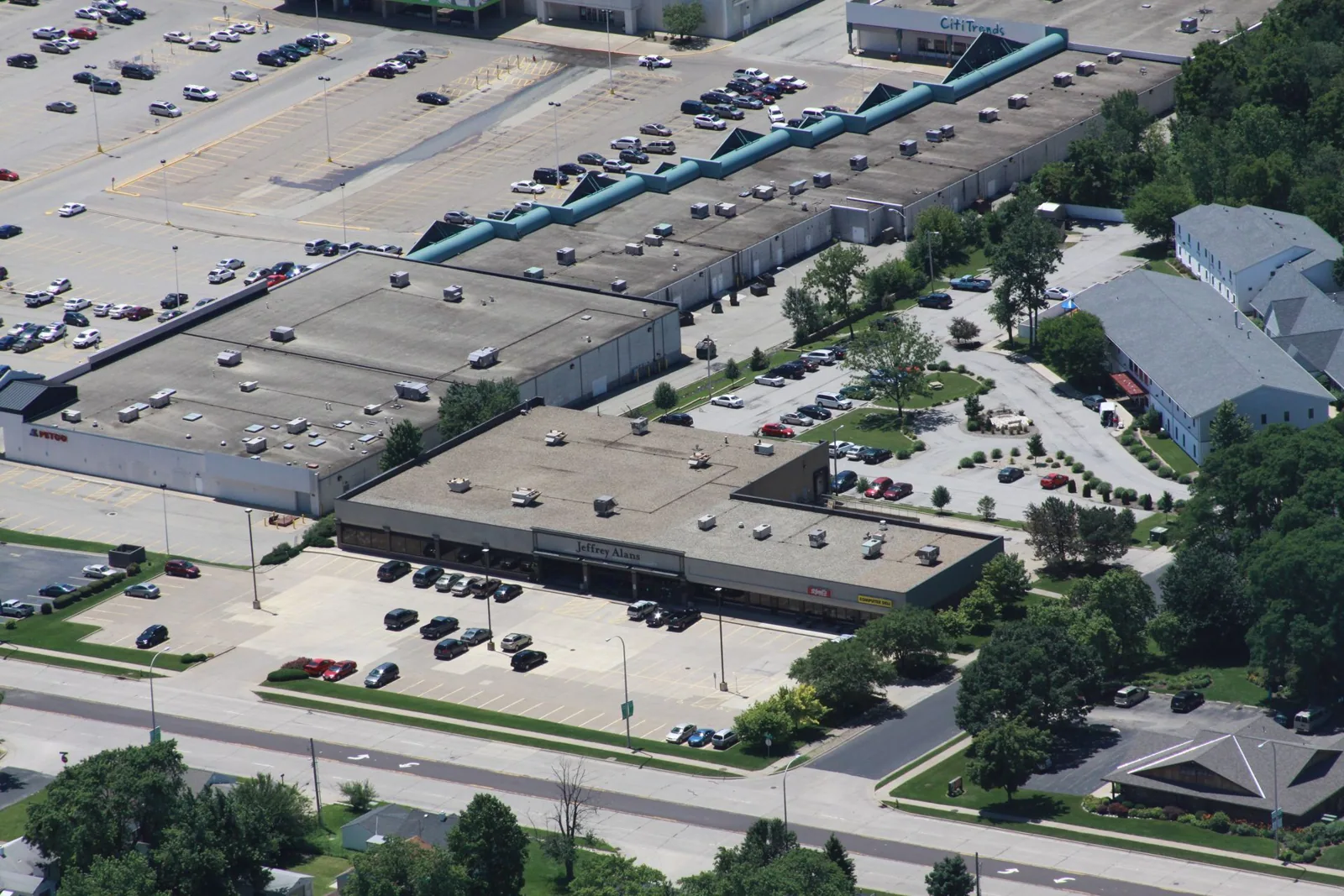
Built-Up Roofing
Review built-up roof plies, surfacing, drainage, repair limits, and capital options for low-slope commercial properties in Denton, TX.
Learn More
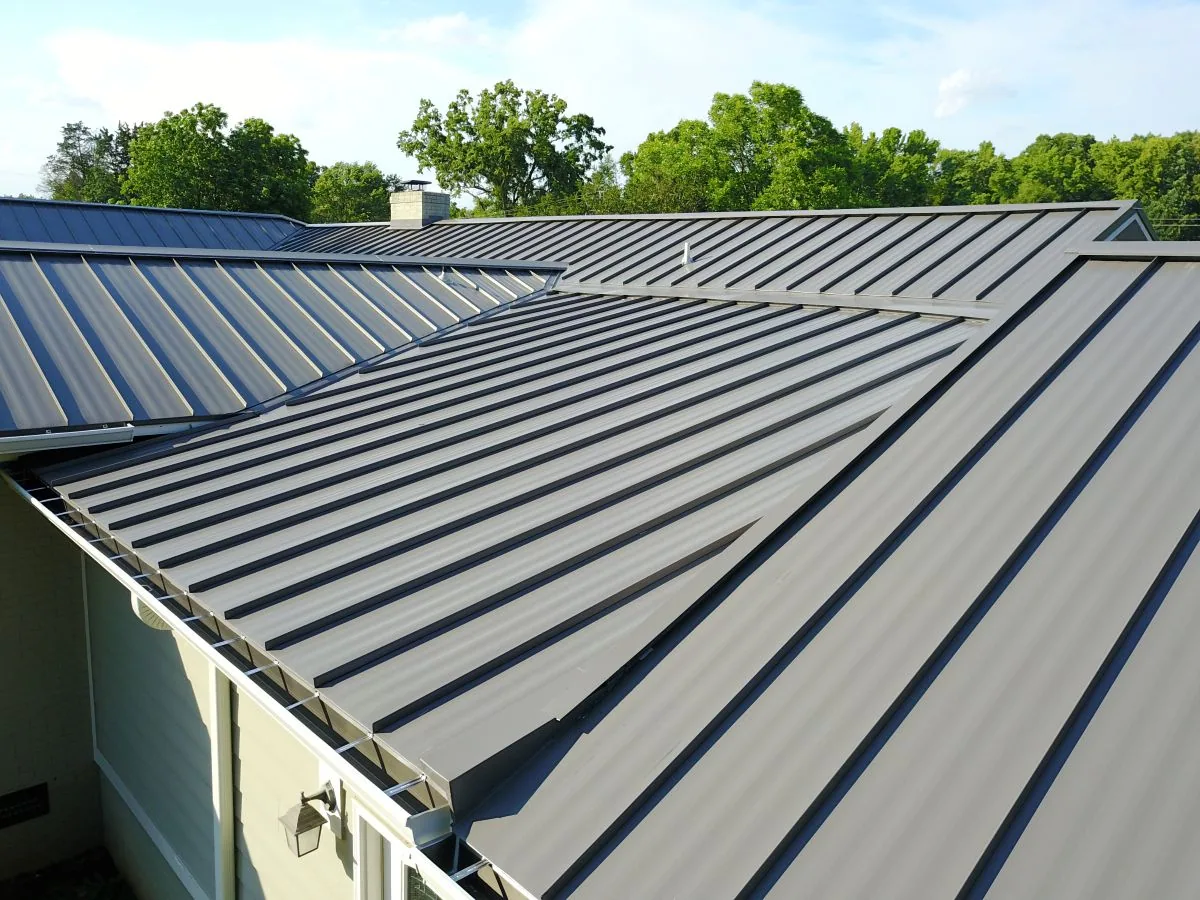
Standing Seam Metal Roofing
Review panel seams, clips, penetrations, drainage, repair scope, and maintenance records for standing seam commercial roofs in Denton, TX.
Learn More
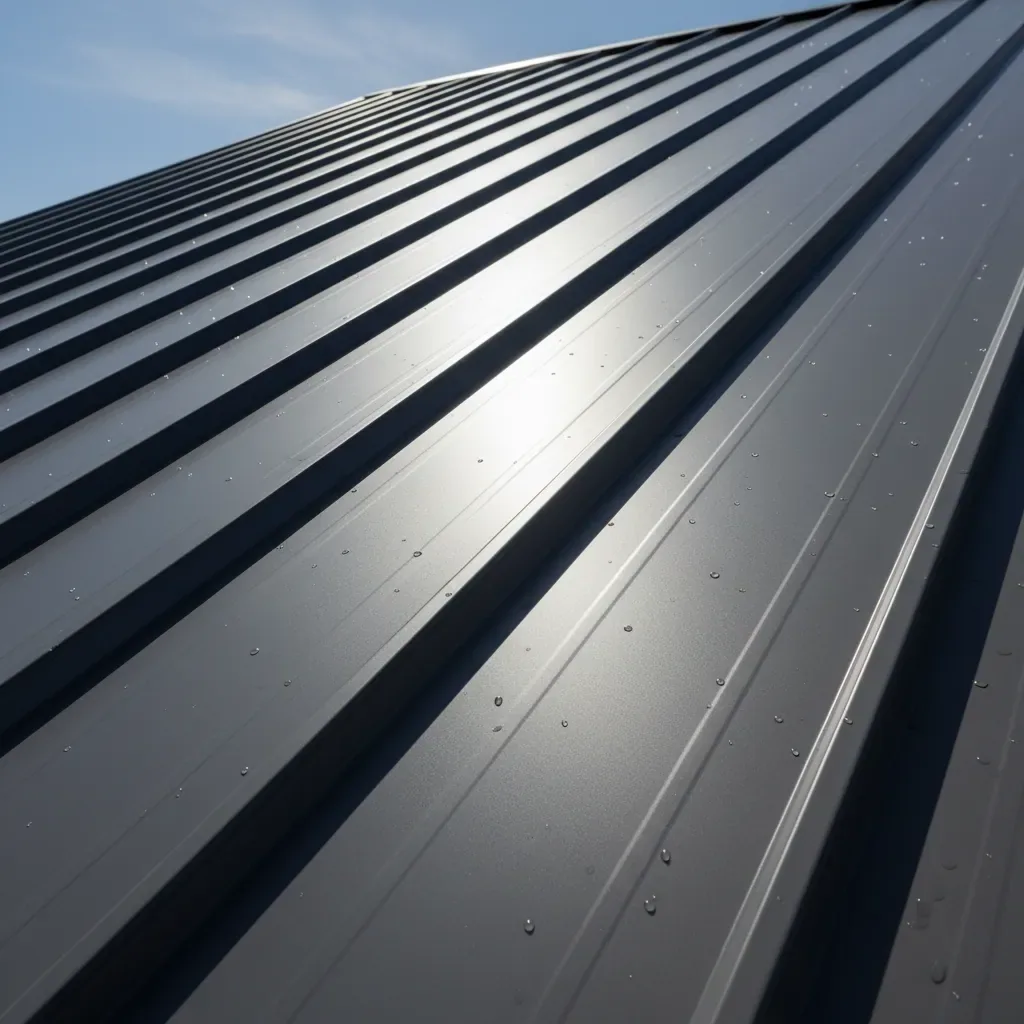
Metal Roof Retrofit
Evaluate exposed-fastener panels, washers, laps, deck and retrofit options for commercial metal roofs in Denton, TX, with records for each decision.
Learn More
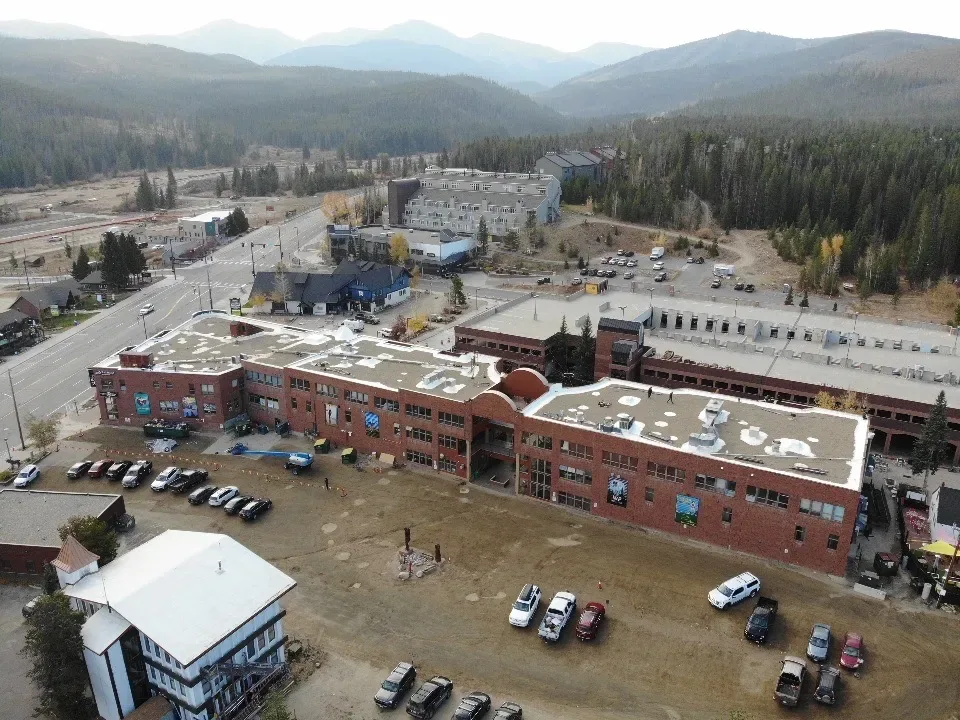
Spray Foam Roofing
Assess spray polyurethane foam thickness, surface condition, drainage, coating, and repair options for commercial roofs in Denton, TX.
Learn More
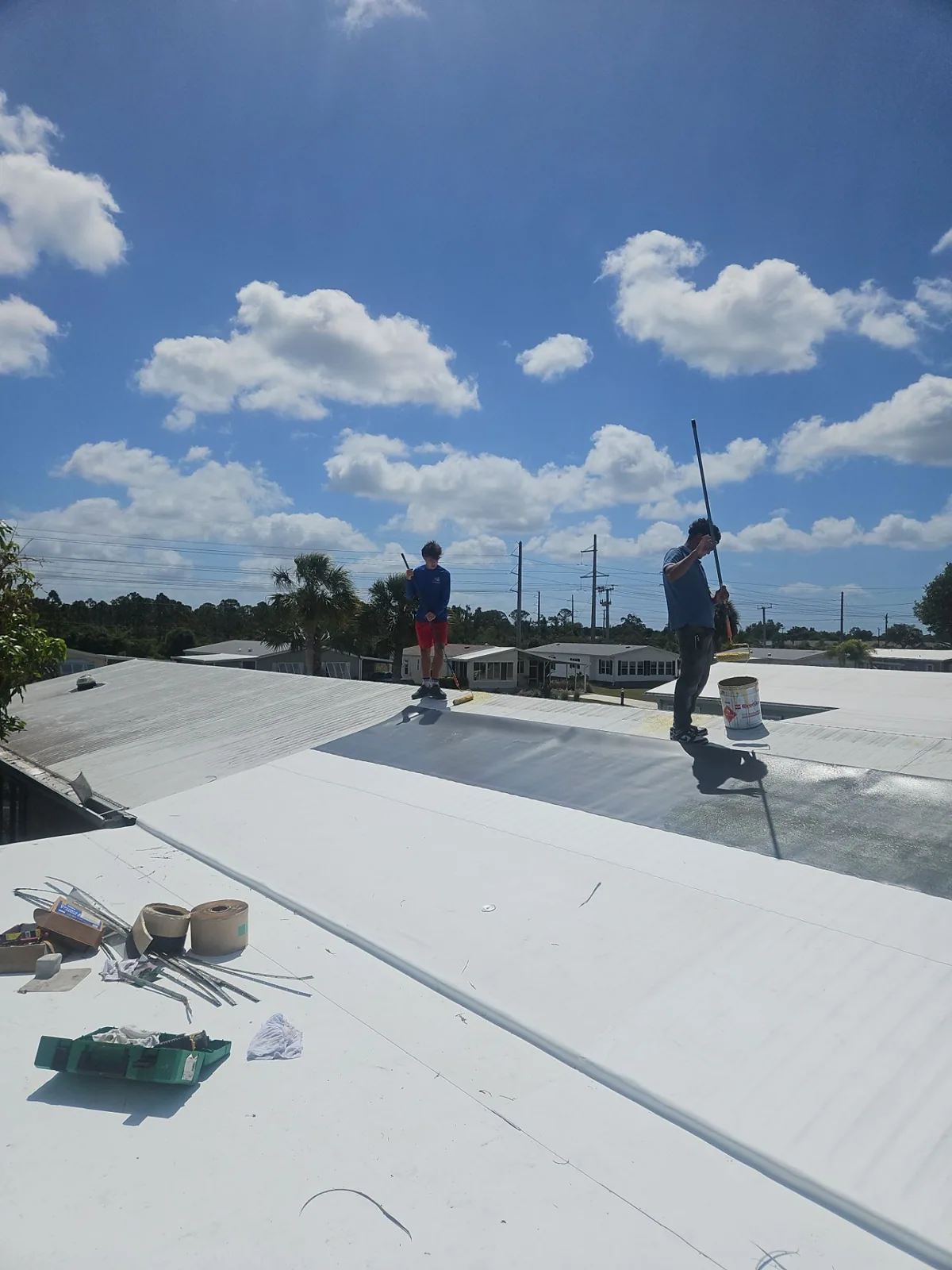
Silicone Roof Coatings
Assess silicone coating adhesion, substrate, drainage, film condition, and restoration limits for commercial roofs in Denton, TX before work is scheduled.
Learn More
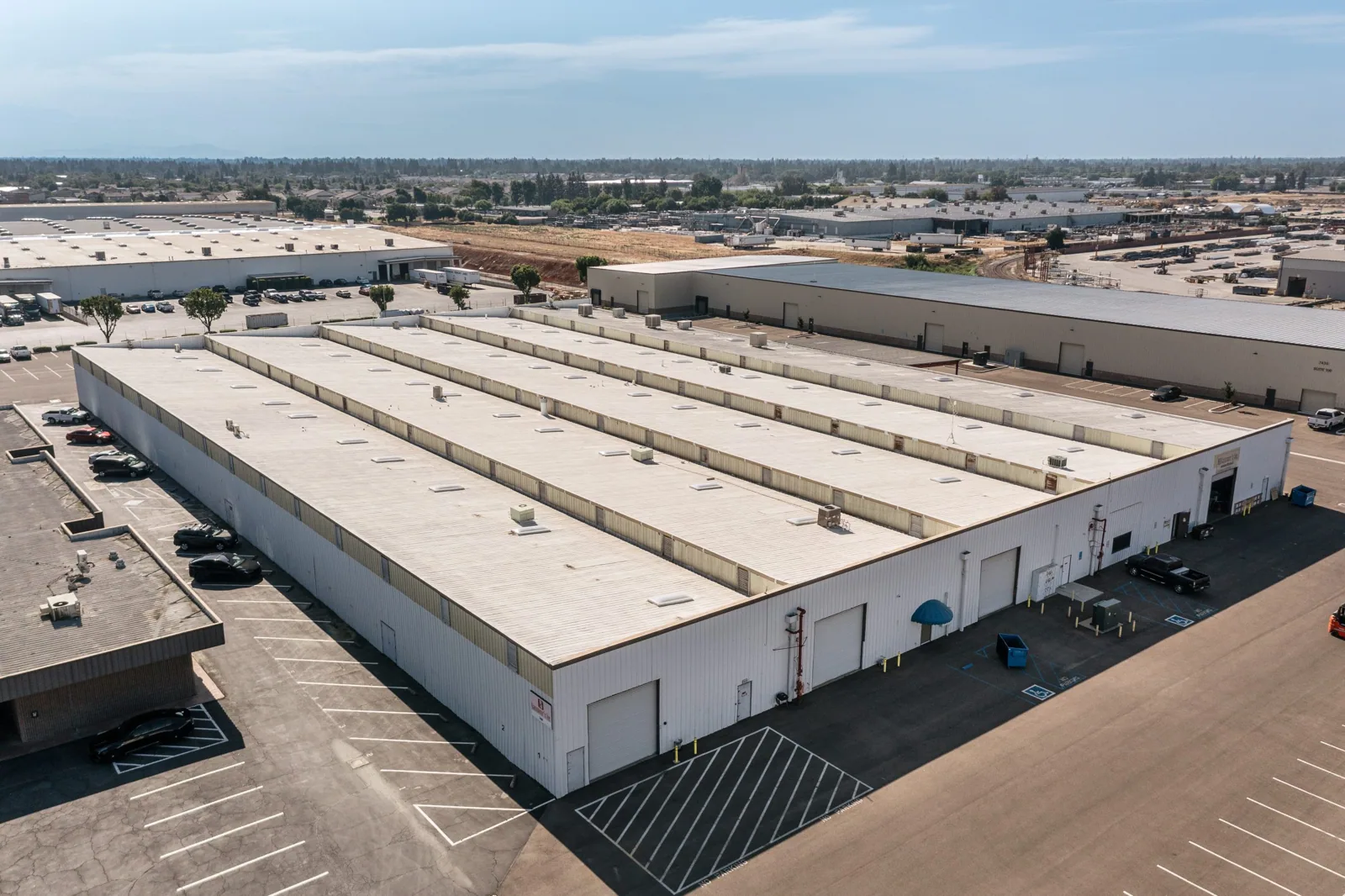
Acrylic Roof Coatings
Review acrylic coating compatibility, substrate preparation, water exposure, application records, and restoration limits for Denton commercial roofs.
Learn More
More About Our Roof Systems
Identify the Existing Assembly
Start with closeout files, product submittals, repair records, and photographs. Compare them with the roof itself. Record seams, penetrations, curbs, insulation transitions, edge metal, and drain configuration. If a record says one system and the field condition looks different, keep that discrepancy open. A rubber membrane review or modified bitumen assessment should follow confirmed material and detail, not a visual guess from the ground.
Compare the Repair Method
Some defects can be repaired within the existing assembly. Others require broader removal, recovery review, or replacement. Seam chemistry, membrane condition, wet insulation, fastener patterns, and edge attachment affect the choice. Coatings also depend on substrate preparation and compatibility. Review a silicone coating option against the actual surface and drainage details, then state test areas and exclusions before pricing.
Check Water and Attachment Paths
Drainage problems and movement can shorten the useful reach of an otherwise repairable material. Record low areas, drains, scuppers, overflow paths, perimeter details, and rooftop penetrations. The National Weather Service records a Denton annual precipitation normal of 38.44 inches; that climate statistic does not identify a leak or prove a drainage defect. A drain and scupper review should inspect the property rather than infer performance from the normal.
Use Local Context Carefully
Westpark is one of Denton’s areas identified for infrastructure investment. The city’s economic plan also uses transportation corridors to frame access and development. Those map-level references can orient a site discussion; the property contact still confirms the entrance and present-day route, while field evidence determines the roof system. Use a roof inspection to tie system selection to observed conditions.
Keep System Records Together
Store the confirmed assembly, inspection date, repair details, scope version, and closeout photographs in one roof file. If the system has a warranty document, compare proposed work with its actual requirements before opening the assembly. Do not assume a brand name from color or building type. A condition report can distinguish confirmed material from an unresolved layer, and a Corinth roof visit begins with its own address and access details.
Commercial Roofing Questions
Can a roof type be identified from a photo?
A photo may show a surface or seam, but it may not confirm the full assembly, attachment, or concealed layers. We compare visible details with records and identify any test needed before the repair scope relies on that conclusion.
Can a coating be placed over any commercial roof?
No. Compatibility, substrate condition, drainage, adhesion, and existing layers matter. We identify those conditions and define any test area before treating a coating as a viable option.
What changes the cost of a roof system project?
Access, removal depth, insulation, edge and drain details, attachment, occupied-space protection, testing, and concealed conditions can change scope. A bid should list its assumptions and exclusions by roof area.
Do Denton weather normals show my roof has damage?
No. Climate normals and county tornado records describe regional context. They do not establish conditions at a property. A roof inspection records the assembly, drainage, attachment, and observed damage at the site.
Review the Existing Roof Assembly
Send the roof area, product records, repair history, decision date, and access contact. We will confirm the assembly where possible and identify the next useful test or scope.