
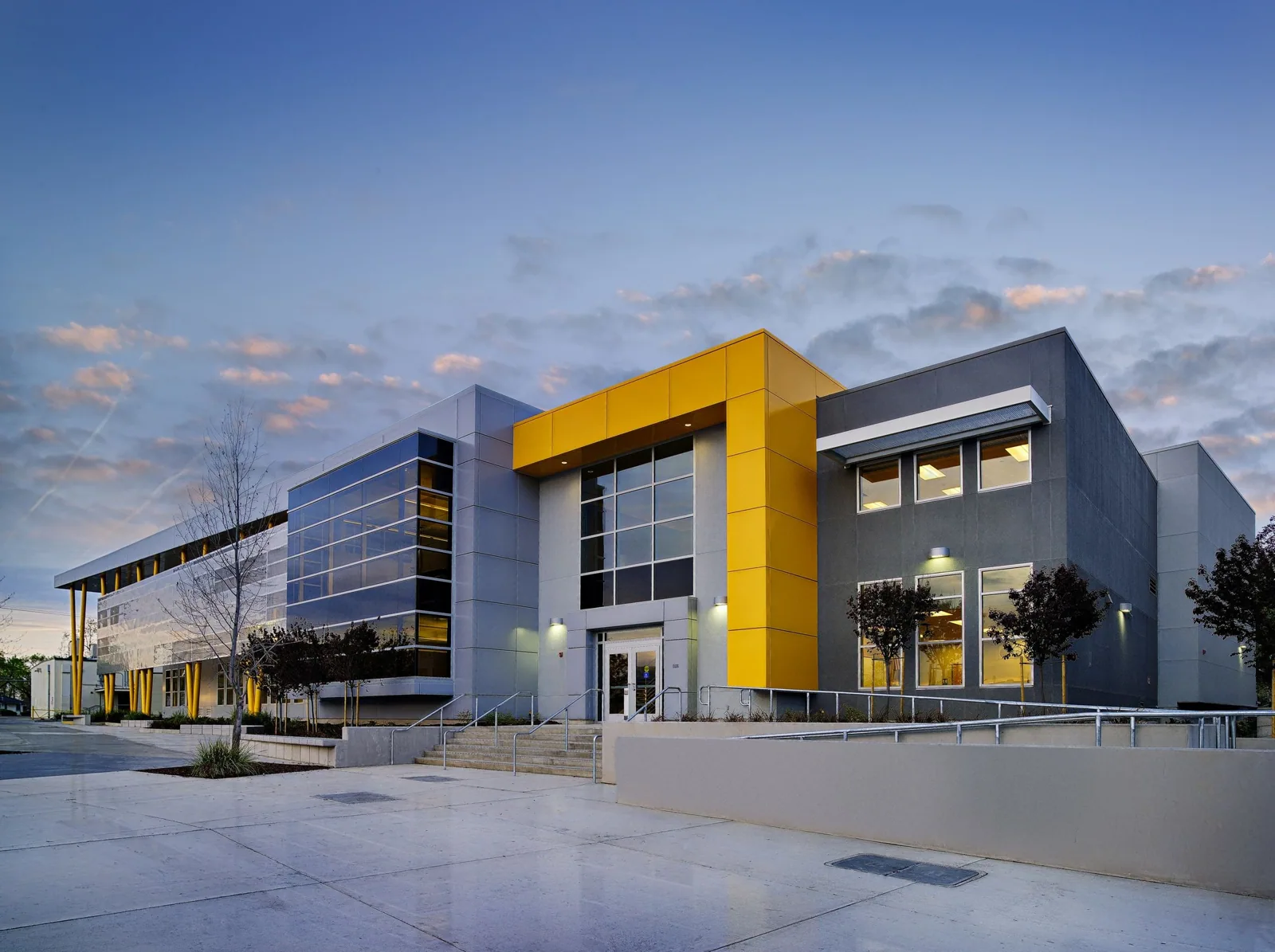
Roofing for School Districts in Denton, TX
A school roof decision has a calendar attached to it. In Denton, TX, the district needs to know which building and roof zone were inspected, what access was available, and whether the work can fit a break, weekend, or active term. We document observed conditions, identify affected rooms, and separate a staff report from a confirmed roof finding. If water is active, response is available around the clock, including holidays, while the permanent scope is defined.
District records may include plans, prior repairs, warranty correspondence, room reports, and capital schedules. Keep them under the facility identifier and current scope version. A phased school work plan can identify protected areas and handoffs. A public-agency roof record can help facilities teams align approvals without assuming every building uses the same assembly.
Tie Each Report to a Building
Record the school or support building, room, date, and time of a reported condition. Then inspect accessible roof zones and photograph seams, drains, penetrations, curbs, edges, and earlier patches. The wet ceiling may be offset from the entry point. A report should say which areas were reviewed, what was visible, and what access or testing remains. Do not treat an observation in one building as evidence about another.
For work above classrooms, kitchens, libraries, offices, or mechanical spaces, identify furnishings and equipment that need protection. The school contact can confirm room use and the acceptable work window. Denton is home to two state universities, which is part of the city’s institutional context, but that fact does not describe a school district’s building stock. Each district facility needs its own inspection record and operating contact.
Use the Calendar as a Scope Input
Set roof access, student and staff circulation, loading, lift placement, noise limits, and interior protection before pricing. Name the person who can release a work area and the person who can approve a schedule change. A summer break does not mean that every room or roof is vacant. The proposal should list the actual dates and spaces available, then separate owner dependencies from crew work.
Loop 288 and the US 380 project area appear in Denton transportation planning. The facilities contact must confirm current access restrictions and the school delivery gate for the work date. A nearby Argyle assignment has a separate municipality and access plan. For district procurement, group related work only after confirming that the buildings have comparable assemblies and can share a sequence.
A building may include a kitchen, gym, classroom wing, central plant, or later addition with a different roof assembly. Confirm that plan sheets match the field before combining areas in one bid. If the district has several roof systems, separate their tie-ins and exclusions so procurement can compare like scopes. Any work above occupied space should name the room protection lead and the facility contact who accepts each completed zone.
Compare Repair With a Capital Scope
A limited seam, flashing, curb, or drain defect may support a localized repair if nearby materials remain suitable. We identify the repair line, boundaries, and exclusions. Repeated water reports or moisture findings across several zones may require testing or a wider option. A district should see what evidence supports each recommendation and which condition would change it before approving a budget request.
Replacement, recover, and coating have different removal, noise, odor, access, and protection requirements. Confirm moisture, attachment, drainage, and compatibility before considering a recover. A repair option can be compared with a replacement scope by area, schedule, owner action, and exclusions. If an occupied school remains open, the sequence and room handoff belong in the same scope as the roofing details.
Price investigation separately when the assembly or moisture extent remains unknown. State which test area will be opened, how the opening will be restored, and who approves access. If testing confirms broader wet materials, the district can compare the revised boundary with the original repair line. That decision trail makes a later capital request easier to review.
Read Local Planning Facts Precisely
Denton's NWS tables report a normal annual precipitation of 38.44 inches and July-August mean maximum air temperatures of 95.9°F and 95.8°F. Those values help with timing, not with a finding about a school roof. They do not establish a roof leak, surface temperature, or drainage condition at a school. We inspect the actual assembly, record ponding or wet materials if observed, and compare the work period with forecast and product requirements.
One city reference places Westpark TIRZ north of Airport Road and calls it an industrial district. Downtown TIRZ is a different public-infrastructure area. Neither designation locates a school or establishes a roof condition. The school address, site contact, and permit authority control each scope. A healthcare facility plan has its own operating restrictions, just as a school needs procedures tied to its own calendar and occupied areas.
Keep Approvals and Closeout Together
Provide roof plans, repair history, room reports, access instructions, the school calendar, and the contact authorized to approve testing. If a test opening is proposed, identify the area, method, protection, and restoration. Add who clears a classroom or mechanical room and who accepts it after work. Those responsibilities affect both timing and the cost basis.
Closeout should include dated photos, completed roof areas, materials recorded, change approvals, exclusions, warranty documents, and unresolved items. Mark temporary protection with an owner and review date. A condition report can preserve the baseline for the next budget cycle. A capital planning file can connect that record to the district’s decision date. Keep each school building identifiable so a future administrator can compare the repair history without mixing facilities.
For a capital committee, state which roof areas support the recommendation and which remain uninspected. Record testing that could change the repair boundary, along with the authorization and date needed to proceed. Keep the budget assumption distinct from a field finding. A useful closeout record tells the next administrator what work occurred, what was excluded, and which conditions still require an owner decision.
Commercial Roofing Questions
Can a school roof project be completed during a break?
The available dates, room access, security procedures, material deliveries, weather, and scope size control the sequence. We can divide the work into accepted areas and list district actions that affect the schedule. A calendar window should be confirmed with the facility contact before pricing.
What should a facilities director do with a classroom leak report?
Record the room, time, and any protection already placed, then identify the building contact for roof access. We inspect accessible roof zones and keep the report separate from confirmed findings. The scope should state any remaining test or inaccessible area.
How are roofs compared across several school buildings?
Use a common record for roof area, inspection date, photographs, observed conditions, access limits, and open questions. Keep each building’s records distinct. We can prepare a portfolio summary without treating one roof as evidence about another.
What if roof work must occur while school is in session?
The district supplies occupied areas, circulation rules, notice requirements, and approved work hours. We can define protected zones, staging, and a handoff sequence. The proposal should identify who can pause the work and how a room returns to service.
Which closeout records support the next budget review?
Keep the approved scope, dated photos, areas completed, change approvals, materials, exclusions, warranty documents, and remaining action items together. Include the inspection date and a review owner for any temporary measure. That record supports the next decision without obscuring its limits.