
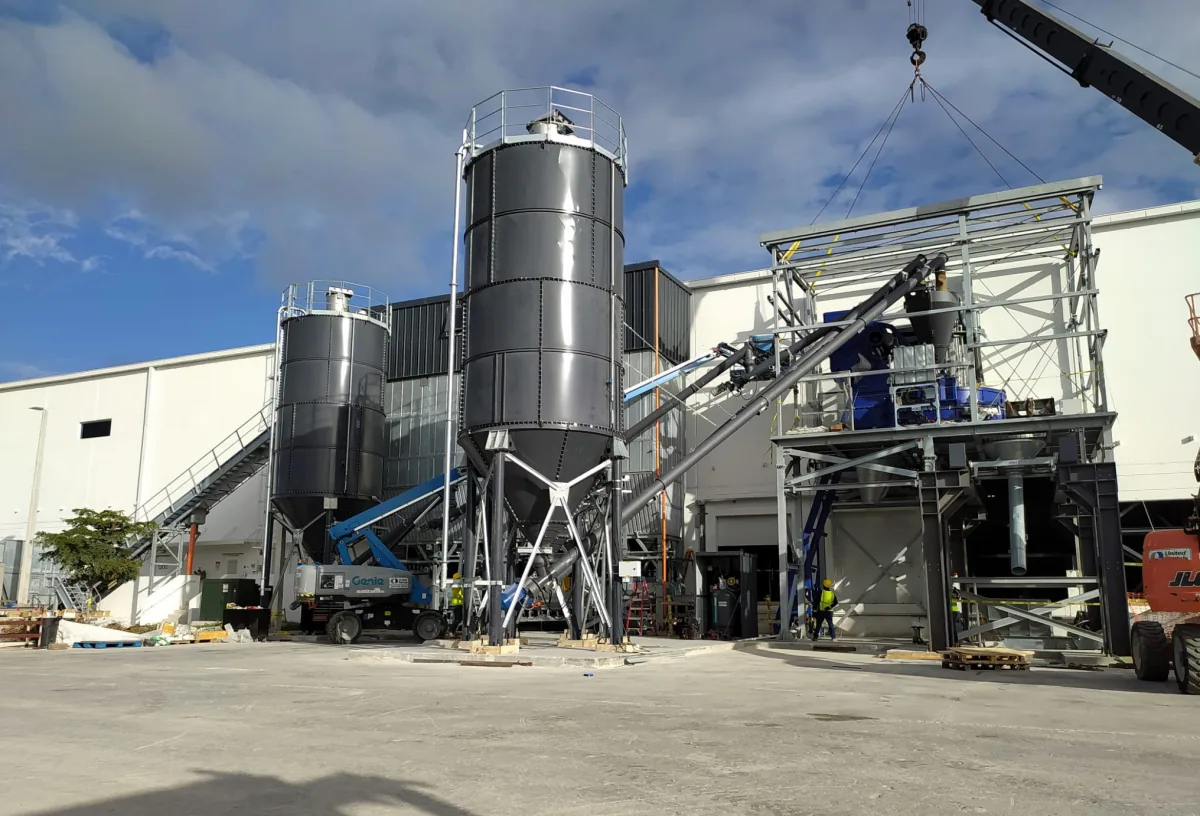
Manufacturing Plant Roofing in Denton, TX
A roof condition becomes a production decision when work affects a line, controlled area, or delivery window. Start with the observed condition and the operation below it. Record the roof area, inspection date, access contact, and any reported interruption. Keep a suspected cause separate from what the inspection confirms. That distinction gives operations, facilities, and finance a usable scope instead of a broad request for roof work.
A commercial roof inspection can establish the starting record: photographs, roof-zone references, visible defects, and questions that need testing. The next step depends on the assembly, access, moisture evidence, and decision date.
Map the Roof to the Production Process
Divide the building into roof areas that match production, storage, utilities, offices, and later additions. Give each area a stable name used by the facility team. A leak report above a packaging line should not be grouped with a stain in an inactive warehouse bay merely because both sit under one roof. Record the interior point, the corresponding roof zone, the report date, and whether the condition was active when observed.
Ask the production lead which rooms cannot be exposed to dust, odor, vibration, or falling debris. Capture the approved access path and the person who can release an area for work. These are project constraints, not assumptions a roofing scope should bury in a general record. A warehouse roof review can help compare storage and staging considerations; manufacturing adds process-specific shutdown and cleanliness questions.
For a facility with several additions, mark transitions and roof edges separately. Record which documents identify the assembly and which details remain unverified. The distribution center roof guide addresses dock and conveyor coordination that may also matter where receiving connects to production.
Separate Visible Defects from Open Questions
Photograph seams, penetrations, curbs, drains, edge metal, and any visible patch. Include a scale or nearby roof feature where it helps a reviewer locate the condition. State what is visible, what the facility reported, and what could not be inspected. A dark ceiling mark does not by itself identify the roof entry point. A wet insulation question does not establish how much material is affected.
Before opening the assembly, identify the production schedule and the interior protection needed below the test area. Name the person who will authorize access, the restoration method, and the records expected after the opening is closed. If readings or infrared patterns are used, document weather, surface conditions, and the limits of that method. Where readings are suitable, an infrared moisture survey can narrow the locations for owner-approved test openings.
Keep the photo log tied to a roof map and scope version. Mark repair boundaries with dimensions or clear features. That makes a later bid comparison possible and limits disagreement over whether a condition was included.
Confirm the Assembly Before Choosing Work
Gather available plans, closeout files, warranty correspondence, prior repair tickets, and product submittals. Compare those records with visible conditions at the roof. If the documents conflict, list the conflict rather than selecting the version that makes a bid simpler. Confirm deck type, insulation layers, membrane or panel system, attachment, drainage, and edge details to the extent accessible.
Each unresolved item should lead to a defined next action: a field measurement, test opening, manufacturer review, or separate allowance. For a single-ply roof, a TPO system review can help frame membrane and flashing questions without assuming that building use identifies the installed product. Keep warranty requirements in the warranty file and confirm them before repair details are finalized.
Review a proposed repair line against the observed condition and adjacent details. State what it corrects, what it does not correct, and whether the facility must monitor a temporary measure. If broader moisture or attachment questions remain, price the investigation separately from permanent work.
Phase Work Around Facility Controls
Write the work sequence around the facility's real controls. List access approval, escort needs, restricted zones, lift locations, interior protection, and any utility or process isolation the owner must arrange. State when a work area will be returned to operations. If a shift change affects roof access, include the notice period and the person who confirms the window.
Separate daily protection from permanent repair. Give any temporary dry-in an owner, inspection interval, and decision date. Show material staging, debris removal, and end-of-shift housekeeping in the scope. A production manager should be able to see which areas may be affected without translating roofing terminology into a line schedule.
For a larger program, a preventive maintenance plan can assign inspection intervals and repair tracking across roof areas. It does not replace a project-specific review after a reported leak or process interruption. Compare replacement scope only after assembly, drainage, access, and removal limits are clear.
Use Denton Context Carefully
Westpark TIRZ is the Denton reference most directly connected to industrial land use. The City describes it as roughly 800 acres, north of Airport Road, with infrastructure spending intended to encourage development. That figure describes the district, not a production plant count, plant access, or roof assembly.
Denton's strategic plan discusses a proposed Jim Christal Road connection to I-35. Confirm the project's current status before placing it in a mobilization plan. For a project near Corinth, ask which jurisdiction reviews the property and permit application. Keep that address check separate from the observed roof condition.
The NWS Denton normals show a July mean maximum air temperature of 95.9°F and annual precipitation of 38.44 inches. Those figures do not measure a plant roof. Use them as broad planning context, then base material exposure and repair timing on the actual surface, forecast, and product requirements.
Set a Decision Point and Close the Record
Bring the owner a short comparison tied to the same roof area and access assumptions. Identify the observed condition, operation at risk, repair boundary, exclusions, and consequence of waiting. If more evidence is needed, state the test, access requirement, and date when the result can affect the budget year. Avoid comparing a limited repair with a full replacement when the two bids use different roof areas or protection requirements.
Before mobilization, confirm the approved scope version, contact list, roof access record, and facility release procedure. During work, record changed conditions and obtain direction before expanding the repair line. Closeout should include dated photographs, completed areas, work left open, warranty documents where applicable, and the person who accepted any temporary condition.
That record gives facilities and finance a traceable basis for the next decision. It also helps the next inspection distinguish a known repair from an unresolved condition. If you need an assessment, share the roof area, available records, decision date, and access contact. Commercial Roofing Denton can review those materials and outline a documented next step.
Commercial Roofing Questions
How should a roof leak over active production be handled first?
Log the report time, interior location, affected process, and whether water is still entering. The facility sets immediate protection and access. A roof review then maps the report to an area and records what was observed, tested, or left uncertain.
Can roof repairs be completed without stopping a production line?
Access, interior exposure, noise, material handling, and facility release rules control the sequence. Set them before pricing. A phased plan may isolate roof areas, but the owner confirms what can be protected. State shutdown or escort needs in the proposal.
What records help compare manufacturing plant roofing bids?
Gather roof plans, prior reports, repair tickets, warranty correspondence, photographs, and assembly records. Use the same roof areas, access assumptions, removal limits, and protection requirements for each bid. Price unresolved assembly investigation separately.
When is a repair more appropriate than replacement?
A repair may fit a localized condition when surrounding assembly, drainage, and attachment support a defined correction. Broader findings may change the capital choice. State evidence, unknowns, affected area, and timing consequence. Age alone is not a recommendation.
What should the closeout file include after roof work?
Keep the approved scope, dated photos, completed areas, access records, and warranty records. Identify inaccessible areas and work outside the repair line. Record who accepted temporary protection and its review date.