
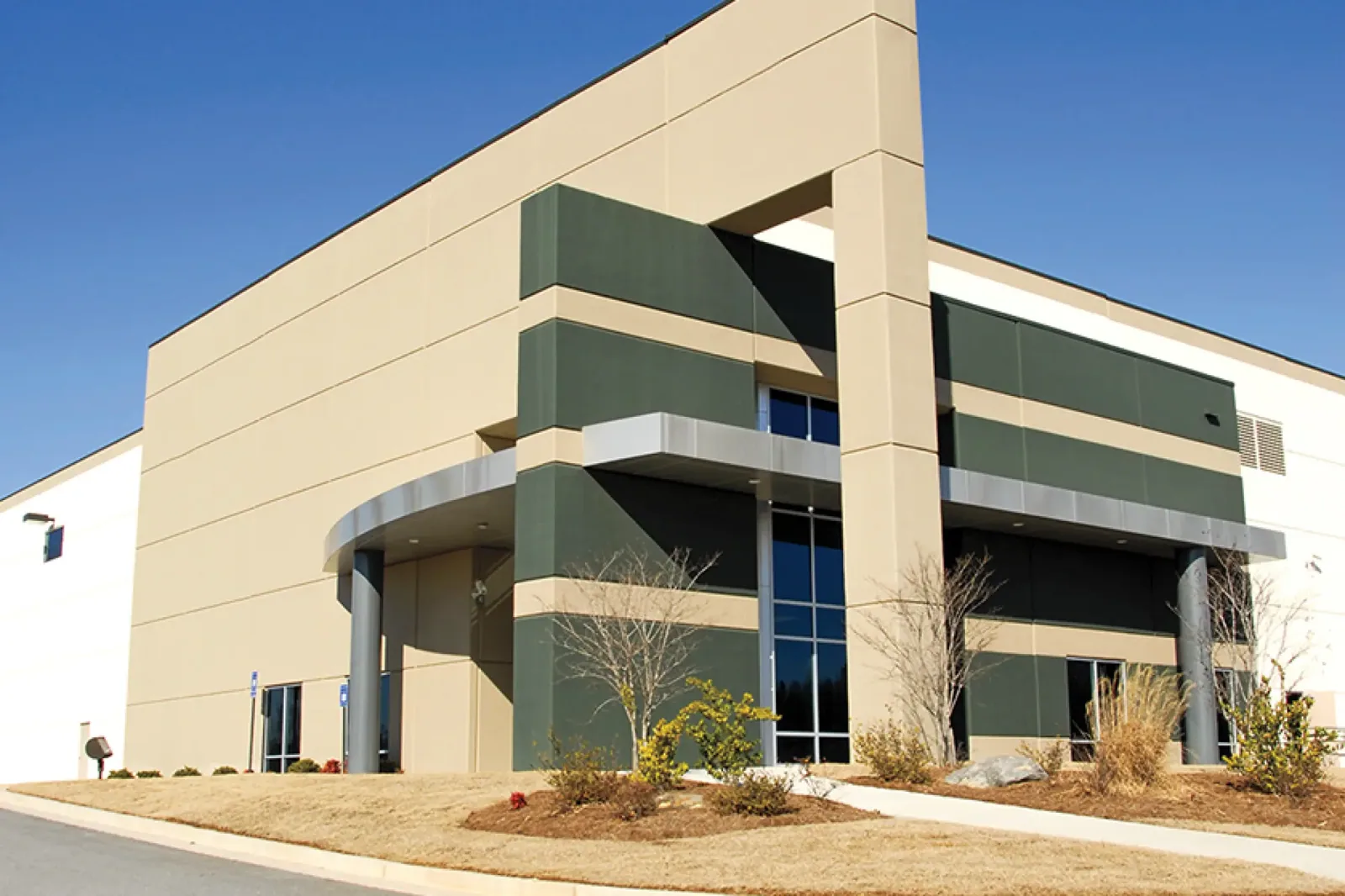
Office Building Roofing in Denton, TX
A ceiling report from a tenant is a useful lead, not a roof diagnosis. Record the room, date, weather reported by the caller, and whether the condition is active. Keep that account separate from what an inspection confirms at the roof. For an occupied office building, the access plan and tenant notice can affect when a repair is practical. The owner needs a traceable condition, a defined work area, and a decision date.
A commercial roof inspection can organize photographs, roof zones, visible conditions, and items needing further review. The report should state what was accessible and what remains unknown.
Map Tenant Areas to Roof Zones
Use the building plan to identify roof sections above suites, common areas, mechanical rooms, and later additions. Give each area a stable label. Tie the caller's location to the map without assuming the roof entry point sits directly overhead. A stain below a parapet or a mechanical area may have more than one possible path. Mark observations and hypotheses separately.
Ask property management which tenants need notice, which rooms have restricted access, and how a crew can reach the roof. Record loading, escort, and work-hour requirements. A warehouse roof review addresses inventory and dock coordination; office buildings add tenant communication and shared-area planning.
For a portfolio with multiple addresses, keep each work order tied to its property and roof map. Do not use a portfolio-wide record as a substitute for inspecting each location. A manufacturing plant roof guide shows a different operating constraint, but its process assumptions do not apply to office tenants.
Document Conditions and Limits
Photograph seams, penetrations, curbs, drains, edge metal, and prior repairs from safe, authorized access points. Include a roof-zone reference and inspection date. Describe the visible condition in plain terms, then record whether the owner reported interior water, odor, or disruption. If a roof section could not be entered, label it as uninspected rather than implying that nearby views establish its condition.
Ask property staff for prior leak logs, repair invoices, roof plans, warranty records, and tenant reports. Compare the dates and locations before setting a repair boundary. If a moisture survey or test opening is proposed, identify the area, method, access approval, interior protection, and restoration detail. Keep each unverified item as a separate question with an owner and a due date.
For areas above occupied suites, confirm what furniture, equipment, and finishes need protection. The scope should identify who moves or covers those items and who accepts the room after work. A closeout record without that handoff can leave responsibility unclear.
Confirm Materials Before Pricing a Repair
Gather submittals, prior scopes, warranty correspondence, and closeout photographs. Compare them with the field condition. Offices may have a main roof, entry canopy, penthouse, or later mechanical addition, each with separate transitions. Confirm membrane or panel type, deck, insulation, attachment, drainage, and edge details where evidence permits. Do not assume that one bid specification fits every section.
A TPO roof system review can frame a membrane question, but the installed system still needs confirmation. Check product compatibility and warranty requirements before specifying a repair. State the boundary, tie-in, and any concealed condition allowance. If the assembly remains uncertain, price investigation separately from permanent work.
A written repair line should name the observed defect, roof area, correction, and exclusions. If the project may involve multiple systems, divide the proposal into areas that can be reviewed independently. This gives the owner a usable bid comparison instead of one broad allowance.
Coordinate Notice, Access, and Protection
Set work hours with property management and identify which tenants need notice. Record roof access, escort rules, loading restrictions, lift staging, and areas where noise or odors require review. State who can approve a change if the crew finds a concealed condition. A schedule should include setup and cleanup, not only the time spent applying the repair.
Temporary protection and permanent correction are separate scope items. Give any temporary measure a review date and an owner. If an interior area remains at risk, identify who checks it and what condition triggers a return visit. A preventive maintenance plan can organize recurring drain and flashing observations between capital projects.
For a larger project, a replacement scope should identify tenant coordination, removal limits, weather protection, and closeout. Compare bids with the same roof areas and building-access assumptions. Keep any after-hours premium or owner dependency visible.
Use Denton References as Planning Context
City planning references identify two distinct Denton districts, Westpark and Downtown TIRZ. Westpark is described as an approximately 800-acre industrial area north of Airport Road, where infrastructure investment is intended to encourage development. Those labels do not identify an office tenant, roof age, or property entrance. Ask management for the actual building instructions.
Denton's strategic plan includes a proposed Jim Christal Road connection to I-35. Keep that connection in the planning category until current records confirm completion. A nearby Corinth address may follow a different permit path, so confirm the authority that governs the actual parcel.
Climate normals for Denton list 38.44 inches of precipitation per year and a 95.9°F July mean maximum air temperature. Neither number establishes a leak or surface condition. Use the inspection record, forecast, and specified product limits when selecting a work window.
Set the Owner Decision and Closeout
Summarize the condition, affected roof area, tenant impact, access limits, and remaining unknowns. Present repair, investigation, and replacement choices on a comparable basis. Each option needs a price basis, duration assumption, exclusions, owner action, and decision date. If the recommendation changes after testing, state which result would change it.
Keep the inspection date, photo log, scope version, and tenant notice record together. During work, record any added area and obtain direction before changing the repair line. At closeout, list completed work, inaccessible sections, materials used, warranty documents, and any temporary condition still awaiting review.
That file helps a future manager understand what the contractor observed and what the owner authorized. For an assessment, share the roof area, available records, tenant access contact, and decision deadline. Commercial Roofing Denton can review the evidence and outline a documented next step.
Commercial Roofing Questions
Does a tenant ceiling stain prove the roof is leaking directly above it?
No. Record the room and timing, then compare the report with roof conditions and possible water paths. The entry point may be offset from the interior mark. A documented inspection should separate the tenant's report, visible roof findings, tests performed, and any remaining uncertainty.
How can roofing work reduce disruption in an occupied office?
Confirm notice periods, work hours, roof access, noise limits, and interior protection before pricing. Identify who approves changes and how rooms are returned to tenants. The proposal should state access assumptions and any after-hours work, rather than treating building operations as an informal detail.
What should an office building roof report include?
Include a roof-zone map, dated photographs, observed conditions, reported interior locations, access limits, and open questions. Tie each recommended action to a defined work area. Record the inspection date and the reporting party for tenant reports so the owner can compare later findings accurately.
When should an owner compare repair with replacement?
Compare them when assembly records, observed conditions, drainage, and repair history define the affected area. A localized defect may support a contained repair. Broader evidence may justify capital review. State what remains unknown and what test or finding would change the recommendation.
Who should coordinate access for a commercial office roof inspection?
Name the property representative who controls roof access and the tenant contact for any affected suite. Confirm escort, notice, loading, and work-hour procedures. If a test opening or interior visit is needed, obtain separate approval and document the protection and restoration plan.