
A roof decision needs a record that is specific enough to price and clear enough to revisit. Commercial Roofing Denton works with building owners, property managers, facility teams, asset managers, and general contractors in Denton, TX. We inspect, repair, replace, recover, restore, coat, and maintain low-slope and metal commercial roofs. The first record identifies the roof area, inspection date, access contact, and observed condition. A commercial roof inspection can establish that starting point before a repair line or capital project is selected.
Document What Was Observed
A roof file should distinguish the visible condition from a suspected cause. We photograph the full detail for orientation and the close view that shows the seam, penetration, curb, drain, or edge. Each image receives a date and roof-area reference. If water is present inside, the report records the reported room and time without treating that location as proof of the entry point. The owner can then see what we inspected, what could not be reached, and which question may need a test opening.
For a moisture question, we can use visual review, infrared survey, or other testing when the assembly and field conditions support that method. A moisture survey records the scan conditions, marked areas, and confirmation step. A thermal pattern alone is not proof that insulation is wet. The report keeps evidence and inference separate so the next budget decision rests on what was actually found.
Write a Scope the Owner Can Compare
Repair and replacement proposals should use the same roof map and scope version when the owner is comparing options. We identify the work area, preparation, material, tie-in, exclusions, and closeout evidence. If concealed deck or insulation could change quantity, the scope states the allowance and approval point before the assembly is opened. A repair line should explain what it corrects and what remains outside its boundary. Broader failures may warrant a replacement review with removal, recovery eligibility, insulation, drainage, edge details, and phasing considered separately.
Cost and timing depend on roof access, material selection, removal depth, testing, occupied-space protection, staging, and the conditions discovered after opening. We do not turn a broad condition label into a quantity. The scope identifies the information that is firm and the point where the owner must approve a change. That gives facilities and finance a bid comparison they can explain later.
Coordinate With Building Operations
Roof work can affect tenants, production, patient areas, classrooms, deliveries, and rooftop equipment. The property contact sets access rules and releases any area for testing. We record approved hours, staging locations, interior protection, equipment shutdowns, and trade handoffs in the work plan. An occupied-building sequence can separate roof zones, protect rooms below, and identify where operations must pause. The schedule does not assume that every area is open or that a crew can cross a controlled space without authorization.
Emergency response is available around the clock, including nights, weekends, and holidays. An active leak may need immediate review and temporary protection. That response remains distinct from the permanent repair, which follows the assembly, test results, access, material, and approved scope. We keep both actions in the record so the owner can see what stopped water temporarily and what work remains to close the roof detail.
Work With Denton Context
Denton’s climate and development facts help frame the local conversation, but they do not diagnose an individual roof. The National Weather Service normals show a 95.9°F mean maximum for July and 38.44 inches of annual precipitation. Those are air-temperature and precipitation measures, not roof readings or proof that drainage has failed. The National Weather Service also publishes Denton County tornado climatology covering reported events from 1880 onward. A storm history is not evidence that a specific building sustained impact.
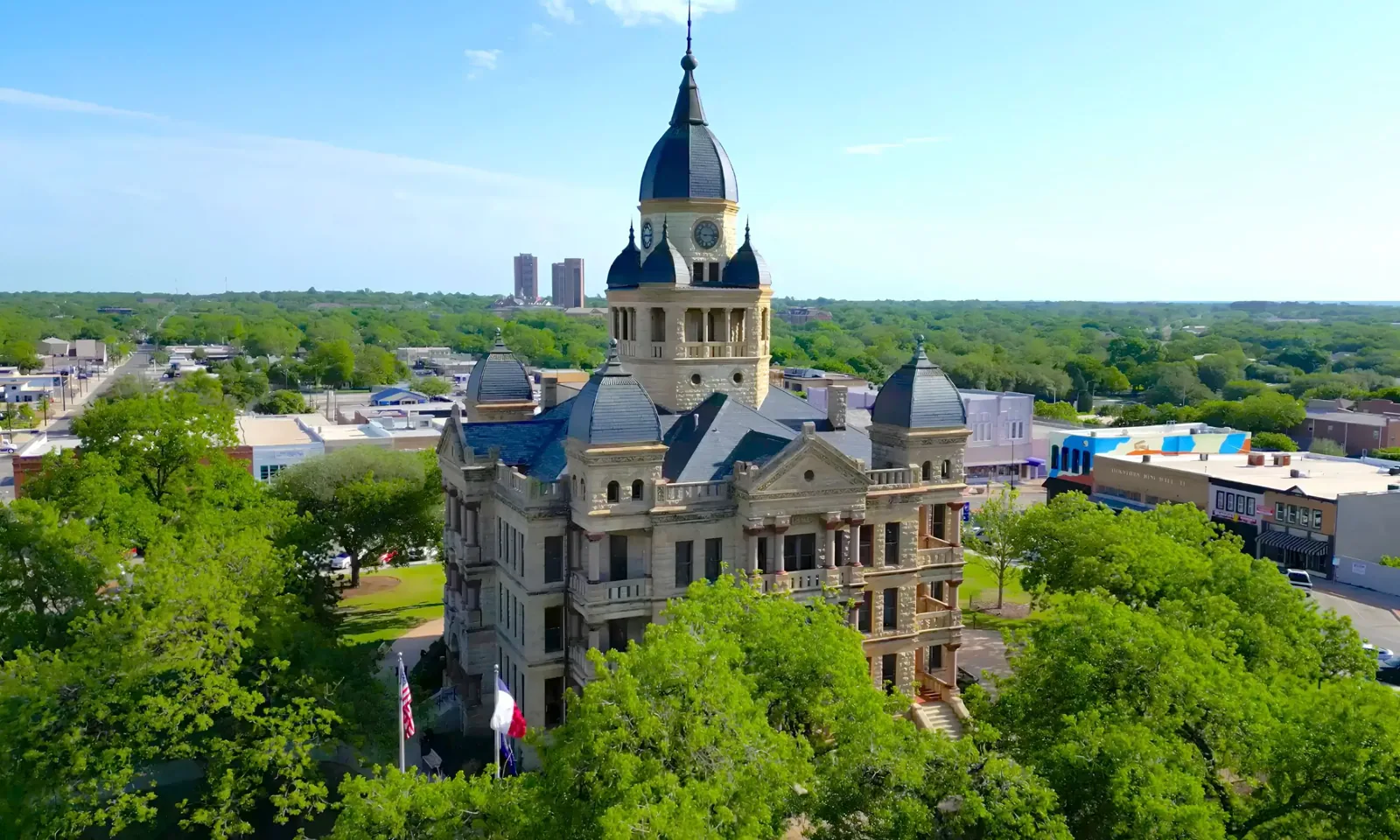
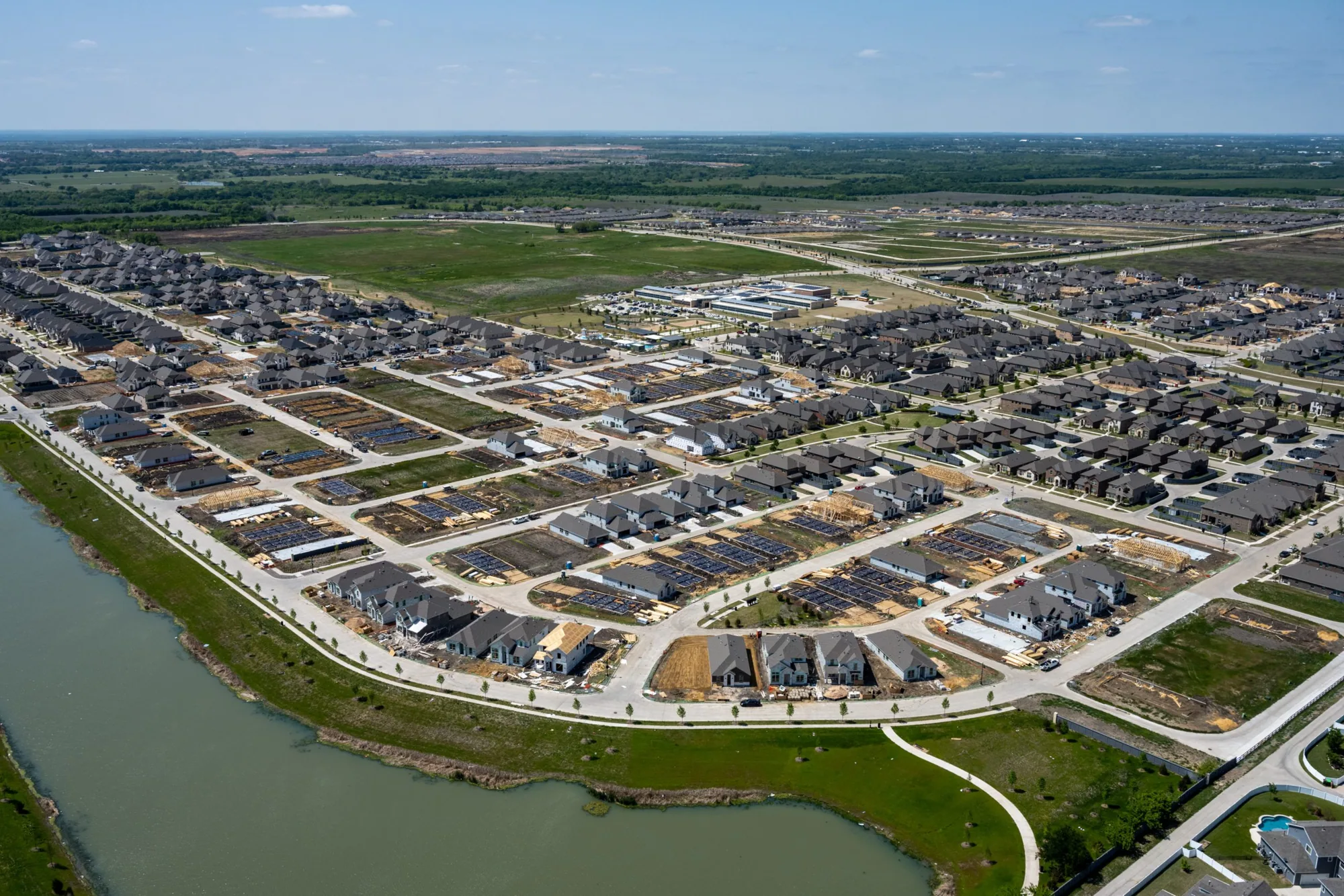
The City describes Westpark TIRZ as an approximately 800-acre industrial district north of Airport Road and identifies Downtown TIRZ as a redevelopment district. The city’s economic development materials also discuss two state universities and identify Loop 288 and US 380 as transportation corridors. Those facts place the roof request in a real market. They do not identify the roof type, owner, tenant, condition, or current access at a property. We confirm those details on site and confirm corridor conditions before scheduling.
Keep Asset and Capital Records Usable
For one building or a portfolio, a stable file makes repeat decisions easier. Keep the inspection date, roof-area map, photo log, observed condition, repair line, scope version, approval record, and closeout record together. An asset management record can help a property team distinguish completed repairs from open questions across budget years. A capital planning review can set the decision date, compare repair and replacement paths, and list the testing that could change the recommendation.
Where documents conflict, we record the discrepancy instead of selecting whichever version makes a bid simpler. A warranty file, product submittal, prior invoice, and field condition may not align. The owner should be able to see what evidence supports the assembly identification and what still needs review. Closeout photographs and approved changes then give the next inspection a clear point of comparison.
Work Across Commercial Roof Assemblies
Our roof work includes TPO, PVC, EPDM, KEE, modified bitumen, built-up roofing, standing seam and retrofit metal, spray foam, and silicone or acrylic coating systems. The exact assembly must be identified before selecting a compatible repair or coating. A TPO system review or metal retrofit assessment is based on the property’s records and accessible details, not on the building’s use. We can also inspect and repair drains, scuppers, penetrations, curbs, flashing, and edge metal that connect the field membrane to the rest of the roof.
Manufacturer documents matter when they apply to the confirmed system. We review available product records and warranty requirements before scope approval. We do not treat a manufacturer name as proof of certification or partnership. If a record is missing, the report says what remains unverified and what field check could resolve it.
Set the Next Decision
A useful next step begins with the address, roof area, available records, decision date, and access contact. If the concern is active, include the interior location and whether water is still entering. If the work is capital planning, share the budget year and any prior report. For property teams near Krum or Corinth, we confirm the actual location, authority, entrance, and site contact instead of assuming citywide access.
Commercial Roofing Denton can document the observed condition, identify testing or approvals still needed, and prepare a scoped repair, maintenance, restoration, or replacement next step. The owner receives a record that separates confirmed work from exclusions and open items. The decision remains with the property team, supported by a clear roof area, evidence, and scope version.
Questions from Denton Building Owners
What information helps you begin a roof assessment?
Send the address, roof area, inspection date if known, photographs, prior repairs, decision deadline, and access contact. We will confirm the visit limits and identify records or approvals needed before testing.
Do you decide whether storm damage is covered by insurance?
No. We document the roof condition, testing, and repair scope. The insurer and policy determine coverage. Our record separates what was observed from any cause that remains uncertain.
Can you work while tenants or operations remain in the building?
We plan work zones, access hours, interior protection, equipment coordination, and trade handoffs with the property contact. The owner confirms operating limits before the sequence and schedule are approved.
How do you handle a roof system that is not documented?
We compare visible materials and details with available records, then mark the assembly as confirmed or unresolved. If identification affects a repair or coating choice, we define the field check before the scope relies on it.
What does the owner receive after roofing work?
The closeout file can include the approved scope, changes, dated photographs, completed areas, exclusions, material identifiers, and applicable warranty records. Any deferred or inaccessible area remains recorded.