

A roof project changes when the operation below it changes. Commercial Roofing Denton documents the roof area, operating constraint, and owner decision in one scope. Denton’s economic development materials describe a city with two state universities and employer-retention and recruitment work. That is citywide context, not a count of facilities. We still inspect the address and roof. A manufacturer roof program starts with the actual process and access limits.

Industries We Serve in Denton, TX
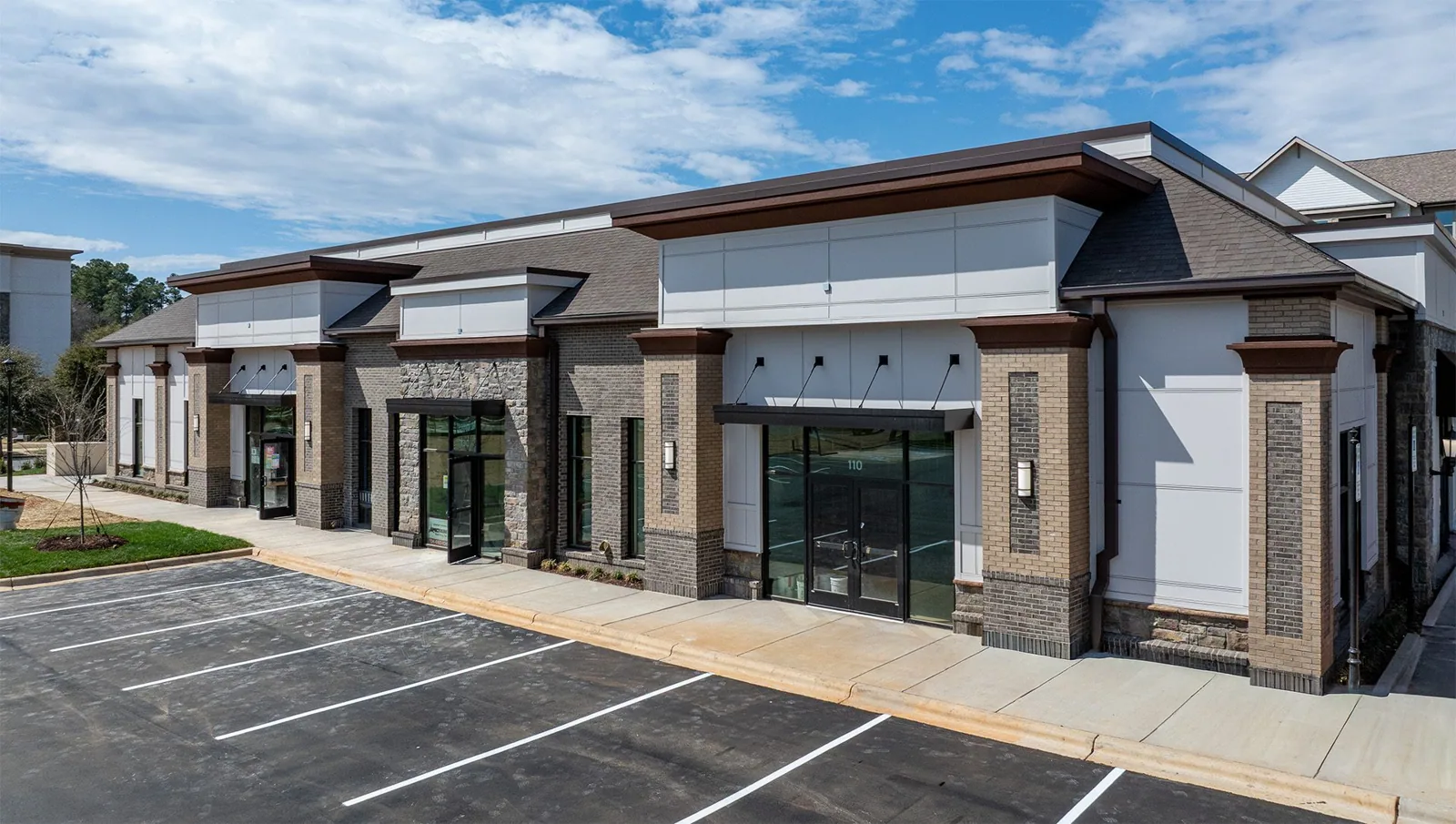
Roofing for Property Management Companies
Coordinate roof inspections, repairs, tenant access, and capital scopes across managed properties in Denton, TX with clear records for each building.
Learn More
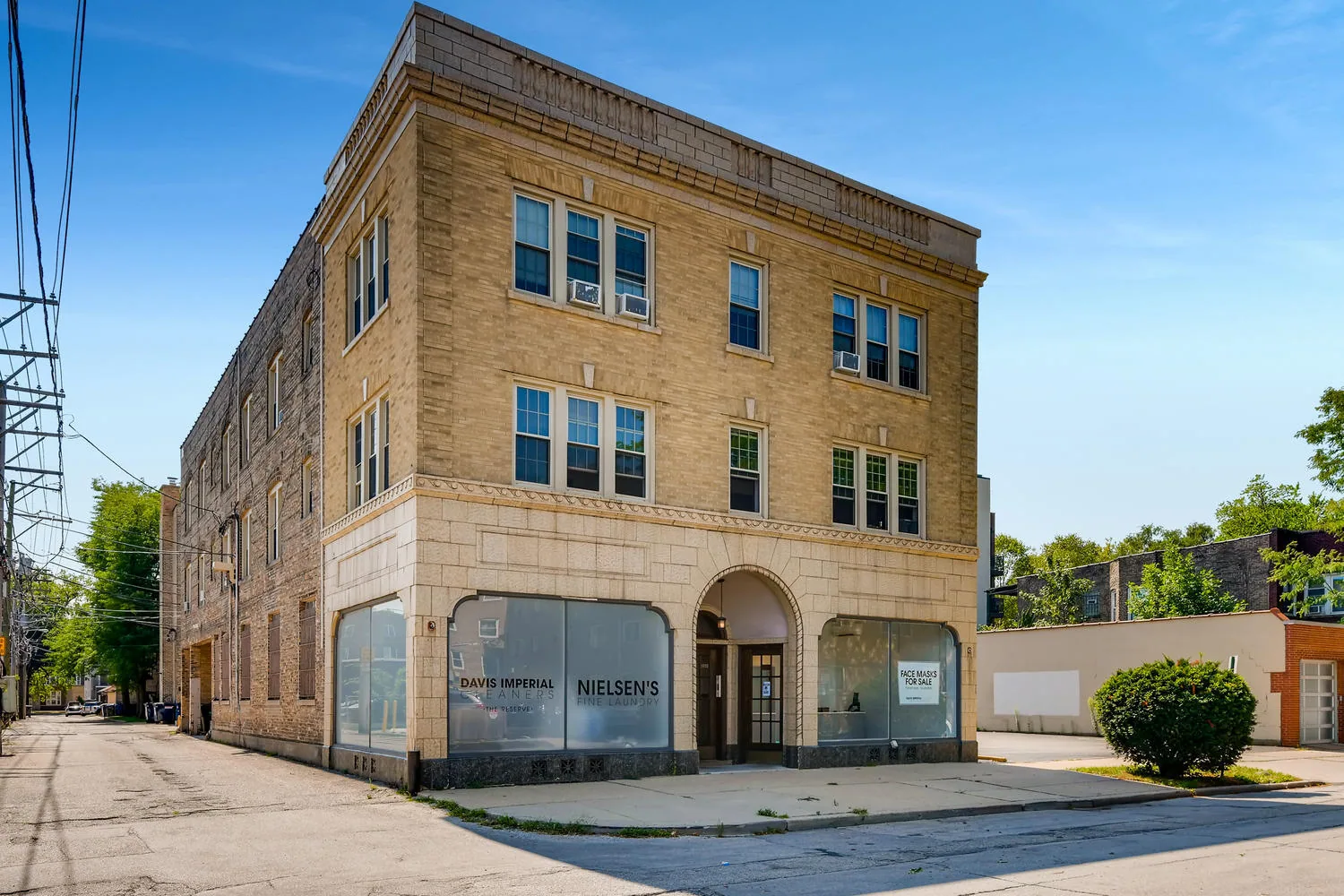
Roofing for Real Estate Investors and REITs
Evaluate commercial roof condition, repair exposure, and capital timing for real estate investors and REITs holding properties in Denton, TX.
Learn More
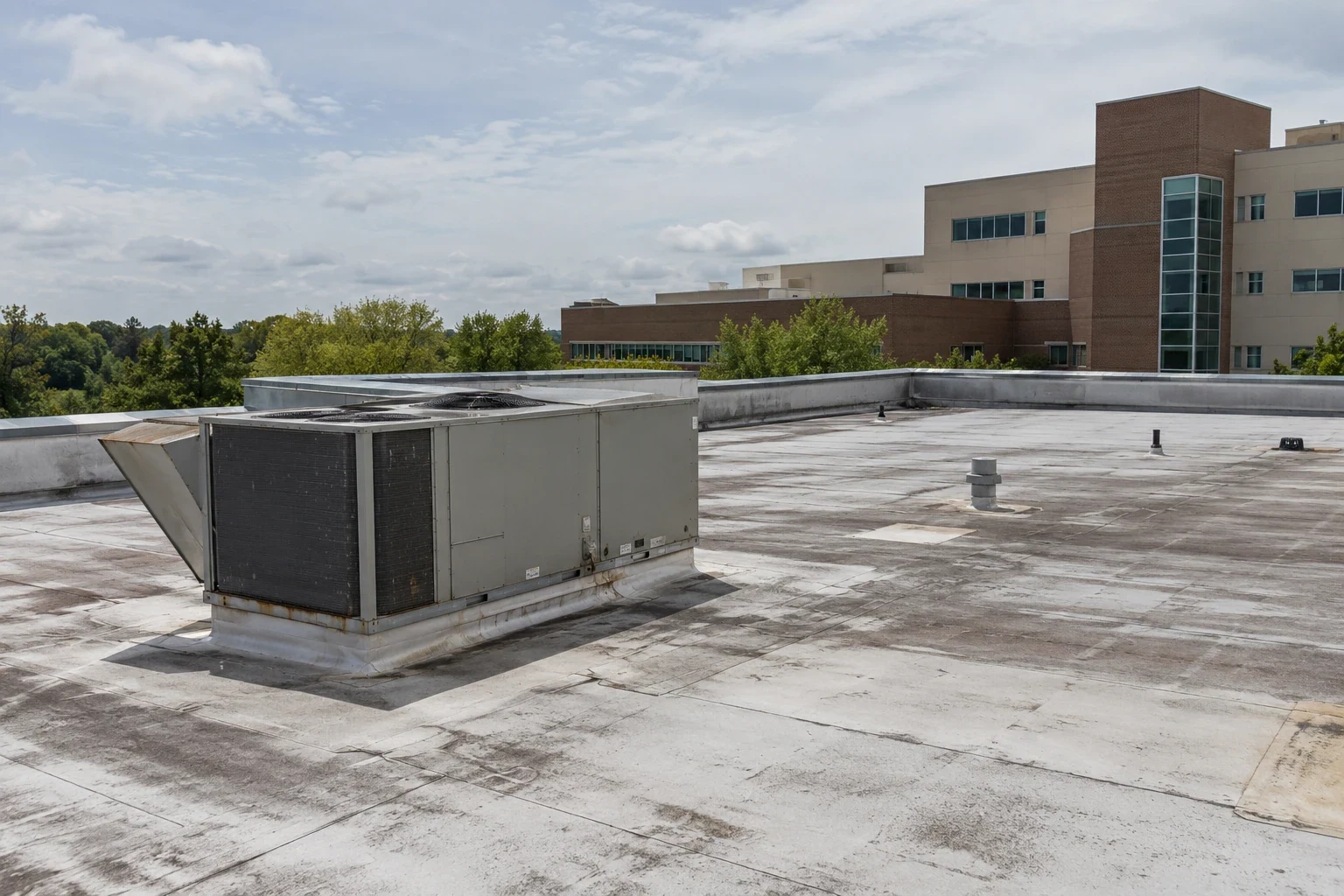
Roofing for Healthcare Systems
Plan roof inspection, repair, moisture testing, and occupied-site coordination for healthcare properties and clinics in Denton, TX.
Learn More
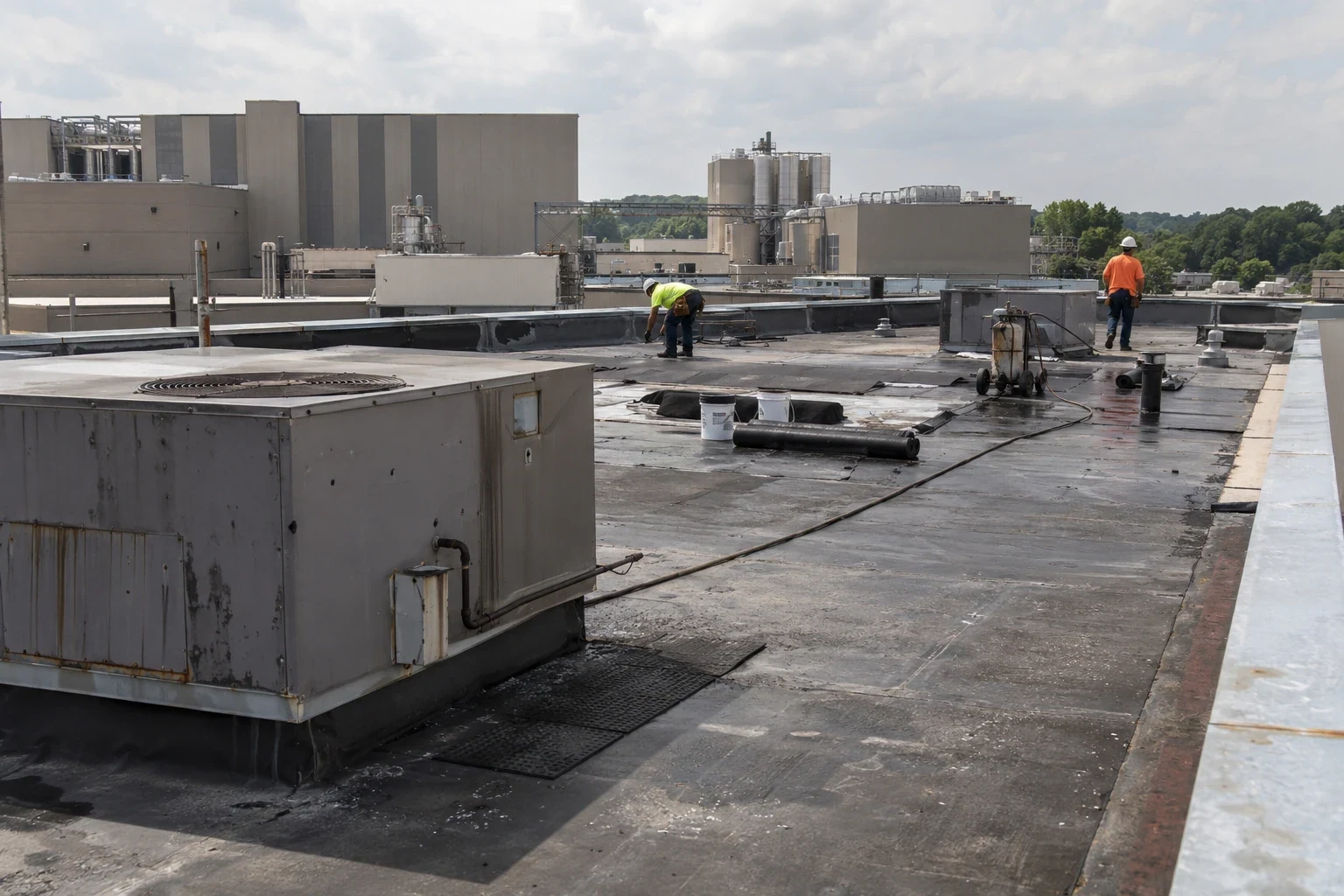
Roofing for Manufacturers
Plan roof inspection, repair, coating, or replacement around production access, equipment, and capital timing for manufacturers in Denton, TX.
Learn More
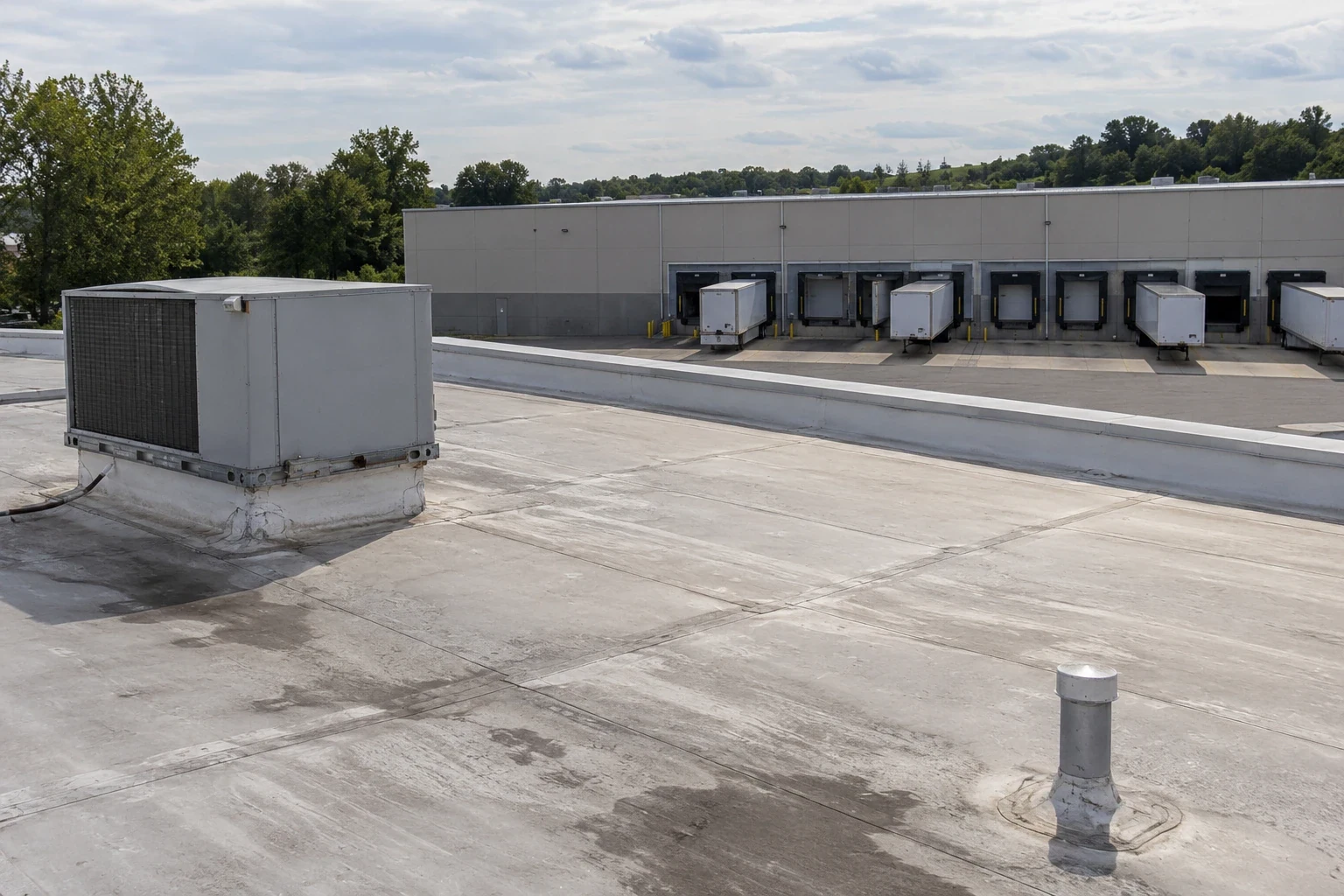
Roofing for Logistics and 3PL Operators
Coordinate commercial roof inspection, leak response, repair, and replacement around dock schedules and warehouse operations in Denton, TX.
Learn More
Roofing for School Districts
Plan roof inspection, repairs, and capital work around school calendars, campus access, and occupied facilities in Denton, TX for each facility.
Learn More
Roofing for Public Agencies
Prepare inspectable roof scopes, procurement records, and repair plans for cities, counties, and public agencies in Denton, TX with clear oversight.
Learn More
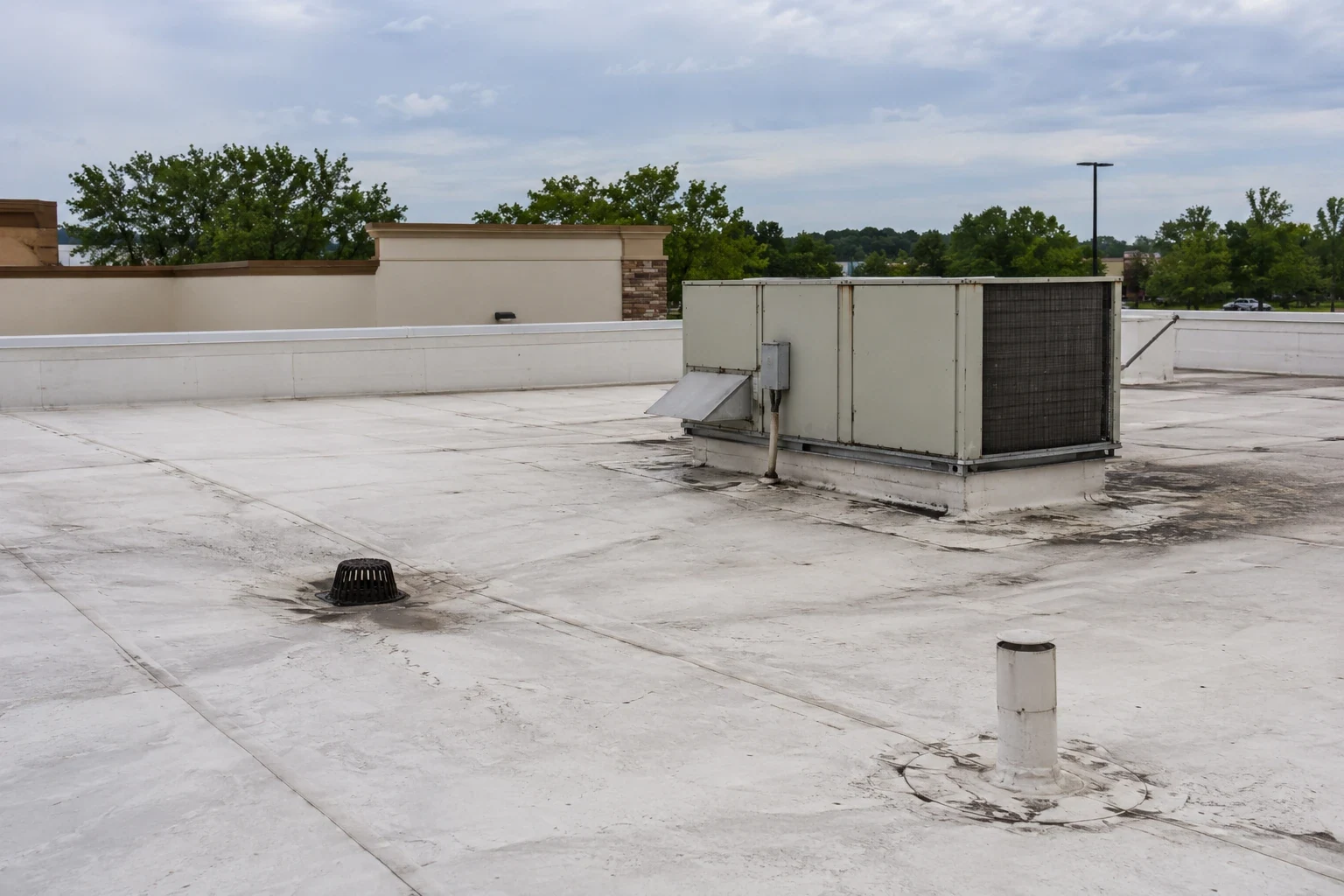
Roofing for Retail and Restaurant Chains
Coordinate roof inspections, active leak response, and phased repairs for retail and restaurant locations in Denton, TX with clear store access plans.
Learn More

Roofing for Hospitality Groups
Coordinate commercial roof inspections, leak response, and phased repairs around guest access and property operations in Denton, TX.
Learn More
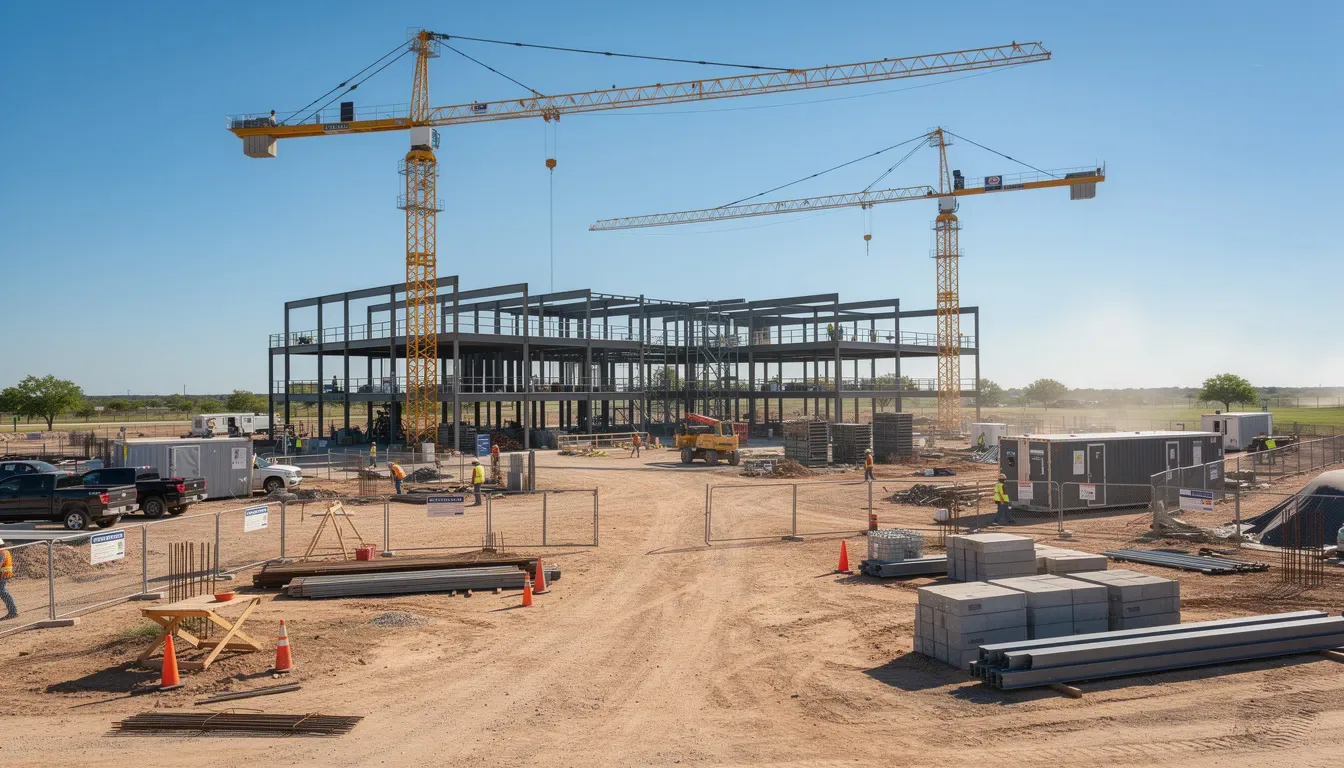
Roofing for General Contractors
Coordinate commercial roofing scopes, penetrations, tie-ins, and closeout with general contractors managing projects in Denton, TX.
Learn More
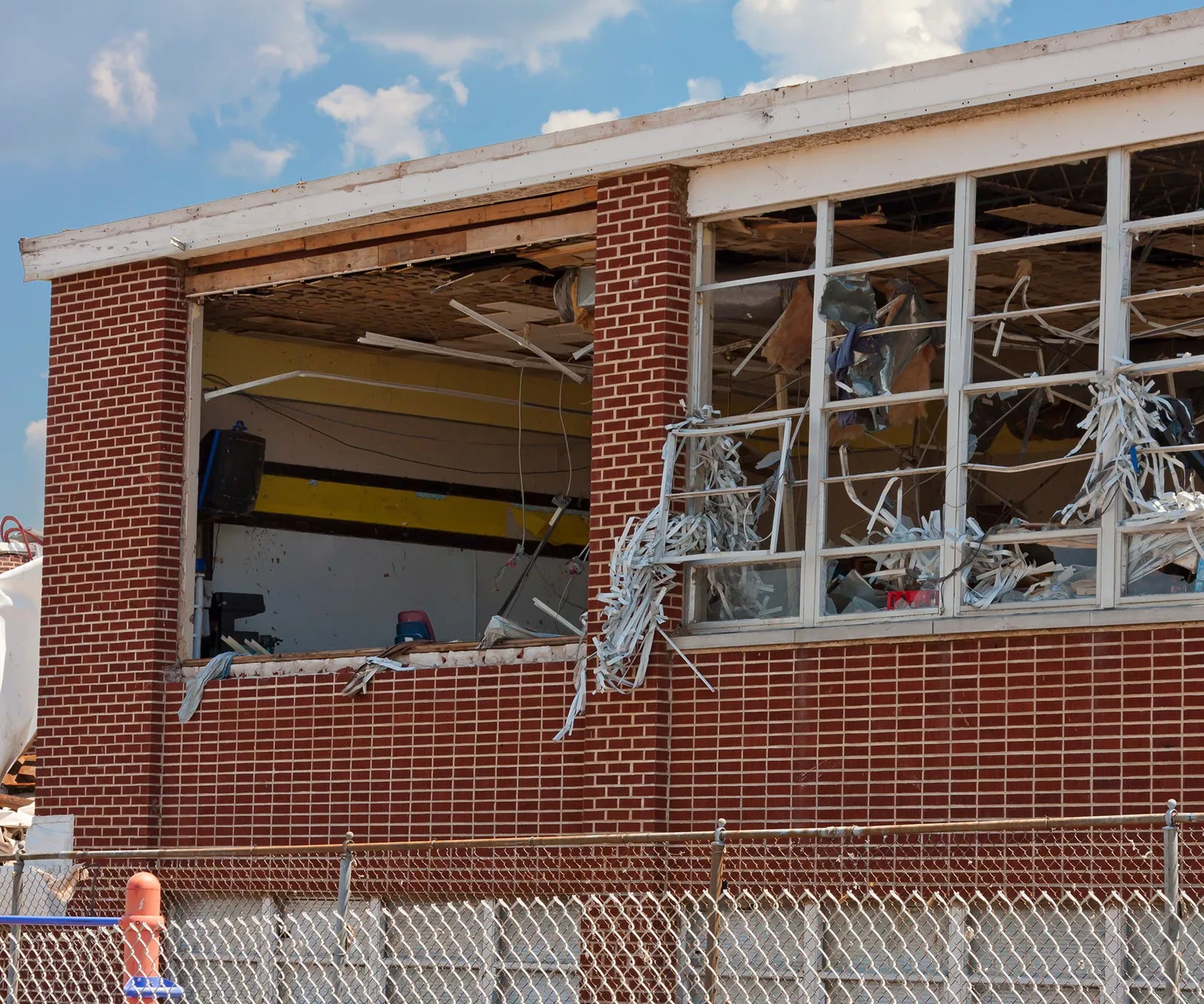
Roofing for Insurance and Restoration Work
Document commercial roof conditions, emergency protection, and repair scopes for insurance and restoration work in Denton, TX with dated photos.
Learn More
More About Our Industries We Serve
Identify the Decision Owner
Property managers, asset owners, facility teams, public agencies, and general contractors may use different approval records. Identify who releases roof access, who approves a test opening, who controls interior protection, and who accepts closeout. For a multi-property portfolio, keep one roof area map per address. A property management scope can carry the inspection date and repair line to the owner without blending separate assets.
Tie Roofing to the Operation
Production schedules, public hours, temperature controls, occupied rooms, deliveries, and equipment shutdowns affect sequence. These are constraints to record, not claims about what a building contains. A healthcare roofing plan needs property-approved access and interior coordination; a school district review may use a different calendar and approval path. The specific site contact defines both.
Use Denton Context With Care
The City identifies Westpark TIRZ as an industrial district north of Airport Road and describes Downtown TIRZ as a redevelopment district. Those names help locate the broader market, but neither fact identifies the owner, tenant, roof type, or condition of any property. Loop 288 and US 380 are corridors in the city’s economic plan. Confirm current access and construction conditions before the visit.
Compare Scope Lines
Use the same roof zones, inspection limits, removal assumptions, material allowances, and closeout requirements when comparing proposals. Separate temporary protection from permanent repair. If concealed moisture or deck conditions could change the quantity, write the approval step before opening the assembly. A documented inspection supports that comparison, and a capital planning file can record the budget year and unresolved decisions.
Preserve the Operating Record
After work, retain photographs, scope version, approved changes, warranty documents where applicable, and areas not reached. Identify who authorized access or a test. If another trade moved rooftop equipment, record the handoff. A maintenance visit can update the condition record between larger capital decisions. The roof file should explain what was observed, what work closed, and what remains open.
Commercial Roofing Questions
Can a portfolio report compare different property types?
Yes, if it keeps each site’s assembly, roof area, inspection limits, and operating constraints distinct. We can summarize common decision points while preserving property-level findings and repair scopes.
What should a facility team share before a roof assessment?
Provide the site address, roof plans, reported condition, allowed access window, operating restrictions, prior reports, and the person who approves testing. We will identify any missing record before the scope is finalized.
Can a roofing scope account for public or tenant access?
Yes. The scope can list access hours, escorts, staging, interior protection, and work zones. The property authority confirms those rules for the address and approves the schedule.
How are roof findings separated from business interruption claims?
We document roof observations and roofing work. The owner’s operations and claim teams determine the effect on business activity. The report should identify which rooms or processes were reported and what the roof inspection confirmed.
Review an Industry-Specific Roof Scope
Send the address, roof area, operating limits, records, decision date, and approval contact. We will document findings and identify the next roofing decision.