
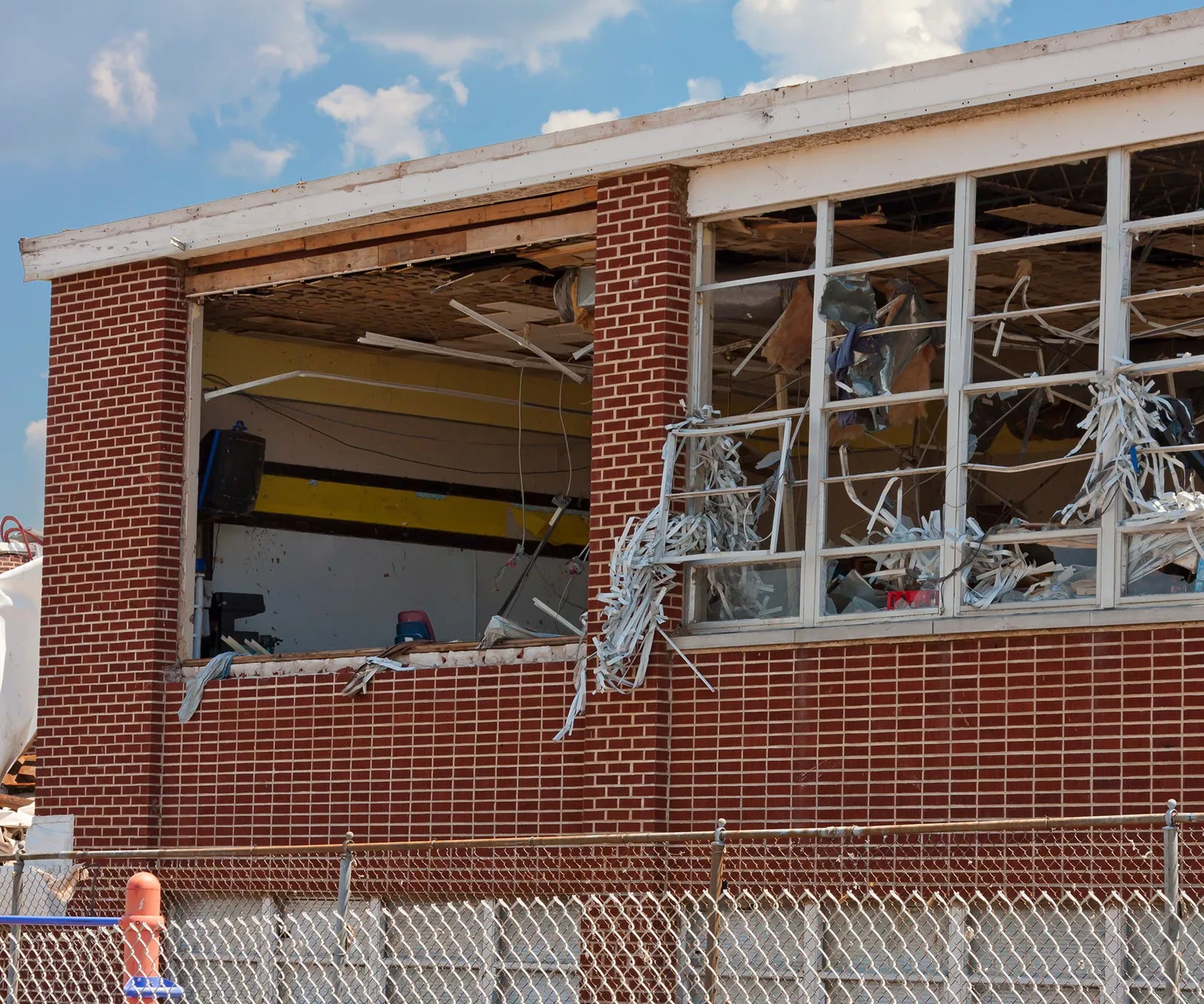
Roofing for Insurance and Restoration Work in Denton, TX
A claim file needs a roof observation, not a conclusion drawn from the weather report alone. In Denton, TX, we record the reported event date, affected areas, inspection access, photographs, and visible roof conditions. The owner’s report remains distinct from what the inspection confirms. That creates a usable basis for emergency protection, further testing, or a defined repair scope. Active water can receive response any hour, including holidays and weekends, while permanent work follows the assembly and findings available.
Property owners, adjusters, and restoration contractors may each hold part of the record. Keep the roof area, inspection date, scope version, and authorization consistent across those handoffs. A claim documentation review can organize roof findings, while an authorized construction scope can define trade responsibilities if restoration work proceeds.
Preserve the Event Record and Roof Record
Capture the reported date, person who made the report, interior location, current water status, and any temporary protection already placed. We inspect accessible roof zones and photograph seams, edges, penetrations, curbs, drains, and previous repairs. If testing is proposed, identify its method and area. A field record should say what was visible, what was inaccessible, and what remains a question, without assigning a cause beyond the evidence.
The National Weather Service publishes Denton County tornado climatology covering events reported since 1880. That regional history can frame an event review, but it does not prove that a specific roof was damaged. A tornado-related inspection can document current conditions. For water still entering, emergency roof response can protect the interior and record the temporary measure separately from a permanent repair recommendation.
Make Photographs Useful for Review
Use a consistent photo log with an inspection date, roof-zone label, direction, and short description. Include close views of the observed defect and context that locates it on the roof. Photograph adjacent details where they affect the repair boundary. If the interior report and exterior observation do not align, preserve both records and record the question for follow-up. Do not alter a photo description into a cause statement without supporting inspection evidence.
Gather roof plans, prior invoices, warranty correspondence, earlier claim reports, and any repair scope already authorized. Compare dates and locations. A condition report can identify observed damage, unrelated maintenance, and inaccessible areas as separate entries. A moisture survey may help investigate concealed wet areas, subject to assembly, access, and interpretation. State where a test occurred and the limits of what it shows.
Separate Temporary Protection From Repair
A temporary cover, interior protection, and permanent correction are different work items. Record the area protected, materials or method, inspection date, and who is responsible for review. State whether the temporary action changes the exposure or merely limits immediate interior impact. A return visit can assess the condition after weather changes or after the property owner provides additional access.
The permanent repair scope should name the roof area, assembly, defect observed, correction, exclusions, and any concealed condition that could change the work. A roof repair line should not absorb unrelated maintenance into a claim item without clearly identifying it. If active water is reported in Corinth, that is a separate property-level inspection and record, not an extension of a Denton event.
Price the Supported Work
A localized seam, flashing, penetration, or edge repair may fit when the visible defect is limited and the surrounding assembly remains serviceable. Broader moisture, repeated failures, or damage across several zones may require testing or a larger alternative. We can define what is observed and separate the estimate from a determination about policy coverage or claim acceptance. The property owner and their insurer make those decisions.
Compare a contained repair scope with a replacement option only where inspection evidence supports both. Check the roof assembly, attachment, drainage, moisture, and tie-ins before pricing recover or coating work. A replacement estimate should state removal limits, protection, sequencing, and owner dependencies. Keep maintenance items and code or permit questions distinct from event-related work unless the project documents establish their relationship.
If an adjuster needs a site meeting, use the same roof-zone map and inspection date in the discussion. Mark which observations are agreed, which need more access, and what document or test is still pending. The resulting scope should reflect the field record without deciding a coverage question outside the roofing work.
Use Denton Climate and Roads as Context
Long-term Denton NWS normals record 38.44 inches of annual precipitation and mean maximum air readings of 95.9°F for July and 95.8°F for August. These do not identify a loss date, cause, or roof condition. We inspect the property and record the actual assembly, drainage, attachment, and affected area. Event-specific weather records and the owner’s timeline should be evaluated separately.
Denton planning references Loop 288 and the US 380 project corridor. Before an inspection, confirm active construction, the property entrance, and material delivery instructions with the owner. Westpark TIRZ lies north of Airport Road and is a broad industrial district, not a damaged property or claim location. Confirm the address, permit authority, access contact, and work area for each file.
Keep the Claim Handoff Traceable
Before work begins, identify the property representative who authorizes access and the person coordinating claim documents. Confirm whether the scope is for temporary protection, permanent repair, or a separate maintenance item. Record the approval date and version. If a field condition changes the estimate, photograph it and obtain direction before expanding the repair boundary.
At closeout, retain dated photos, work areas, materials recorded, change approvals, exclusions, temporary measures, and unresolved questions. Keep the authorization with the scope version it approved. A property manager handoff can keep operating contacts and inspection dates current. The file should show what the roofer observed and completed, not determine coverage.
If the owner needs a post-work inspection, state the interval or trigger they request and the area to revisit. Record any weather exposure between repair and final review. A dated photo of a completed repair helps compare the later roof condition, but it does not resolve an unrelated leak report. Keep each follow-up tied to its own location and event record. Identify who receives the report and when the review is due.
Commercial Roofing Questions
Can a roofer determine whether an insurance claim is covered?
We can document roof conditions and scope roofing work. Coverage decisions belong to the insurer under the policy and claim record. Our findings should identify observed conditions, access limits, testing, and the basis for a repair recommendation.
What should be documented before temporary protection is installed?
Record the affected area, date, active water status, access, and available photographs. We can document the protection method and the roof condition it covers. Keep that action separate from permanent repair pricing.
Does a county tornado history prove a building sustained storm damage?
It provides regional context, not a property-specific finding. We inspect the roof and record visible conditions, reported timing, and any test results. The file should keep the weather record separate from observed damage at the building.
How should a restoration contractor coordinate roof openings?
Identify the party responsible for the curb, flashing, temporary dry-in, and final tie-in. We can define the roofing interface and required restoration detail. The owner or superintendent should approve the location and sequence before the opening is made.
What belongs in the completed roof work file?
Retain the authorized scope, date, photographs, work areas, materials, changes, exclusions, temporary measures, and remaining items. Keep claim correspondence with the owner’s file and the roofing observations with the inspection record. The distinction makes later review clearer.