
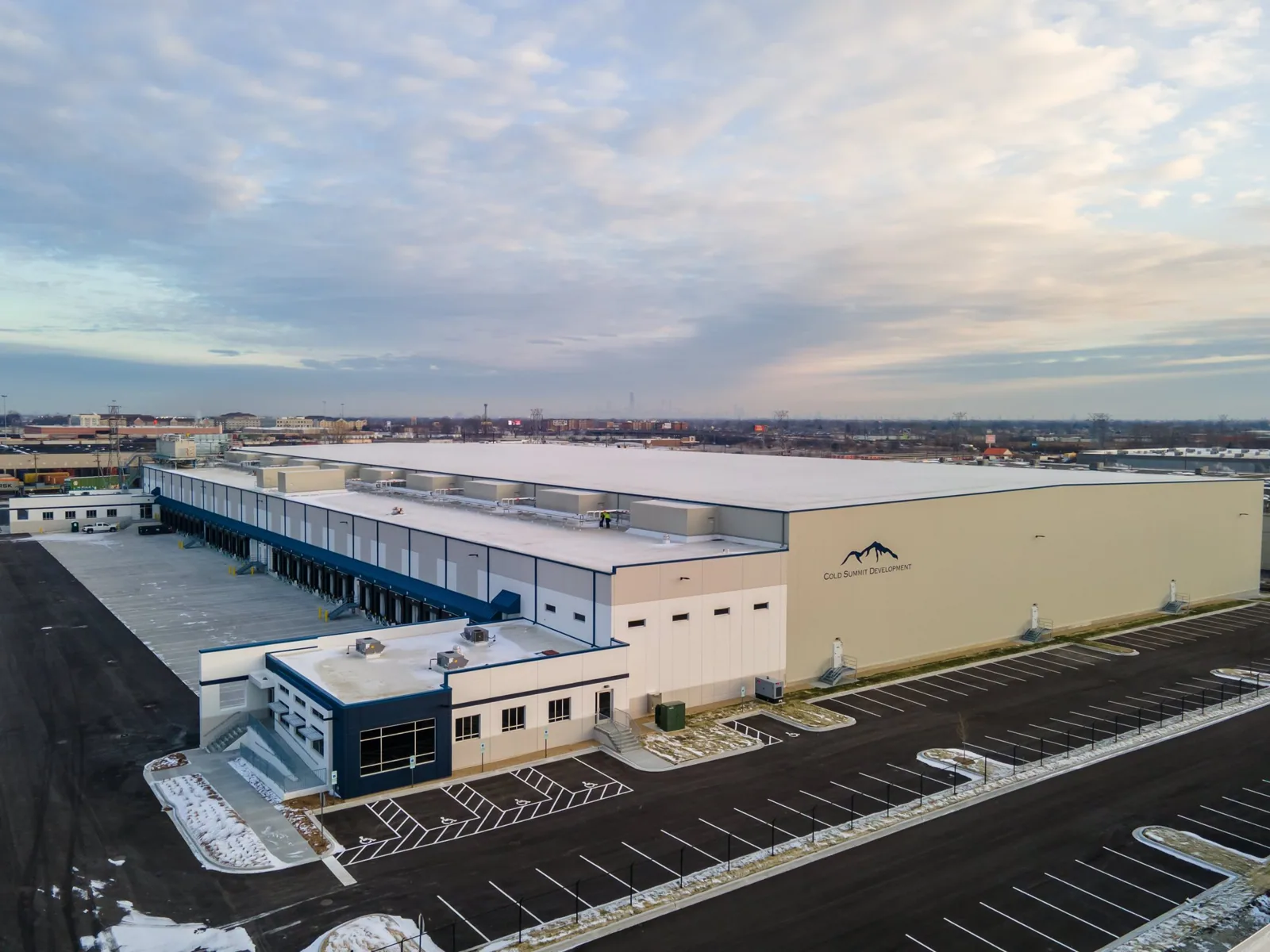
Cold Storage Roofing in Denton, TX
A temperature change can make a roof report harder to interpret. Record where condensation appeared, when it was noticed, what the room was doing, and whether water entry continued after operations stabilized. A stained ceiling, a vapor-control concern, and a membrane defect are separate observations until the assembly review connects them. The owner needs a roof-zone map and a next test, not a guess based on the room label.
Cold rooms may connect to docks, offices, freezer areas, and ordinary storage under different roof sections. Confirm the assembly and transitions from documents or inspection. A commercial roof inspection can document access, visible conditions, and questions requiring confirmation.
Map Temperature and Roof Boundaries
Mark freezer rooms, coolers, loading areas, office space, and later additions on the roof plan. Record the interior temperature or process information supplied by the facility, along with the date and how that information was reported. Do not infer roof temperature from a room setpoint. Identify ceiling transitions, insulated panels, penetrations, and changes in operating conditions that may affect the report.
Give each roof zone a consistent label. Tie interior photographs to the closest accessible roof area, but keep the reported location separate from a confirmed path. A warehouse roof review can help organize storage and access zones. Cold storage adds a closer look at transitions between refrigerated and ambient spaces.
Ask the facility contact when doors are open, when defrost cycles run, and which areas require escorts or protective clothing. These details help select an inspection window. They do not replace checking the actual roof assembly.
Trace Moisture Without Assuming Its origin
Separate water entry from condensation, washdown moisture, and interior process sources. Record the time pattern and room conditions reported by the operator. Photograph the ceiling, wall joint, penetrations, and accessible roof surface. If a symptom follows a temperature or operating change, record the sequence without treating timing as proof of cause.
At the roof, review membrane seams, flashing, drains, curbs, and changes in insulation or deck. Identify any test opening by roof zone and agree on interior protection first. A moisture survey may help select confirmation points where construction and conditions support useful readings. Its limits, restoration method, and the person authorizing access belong in the file.
Keep readings and visual observations distinct. A suspected wet area needs a defined confirmation method before its size is used in a repair or replacement allowance. If the concern reaches more than one assembly, document each area separately rather than extending a finding across the entire building.
Check the Roof Assembly and Vapor Details
Gather plans, product data, warranty correspondence, prior repairs, and records for roof additions. Compare them with visible conditions and identify where the documents stop matching the current building. Confirm deck, insulation, attachment, membrane, vapor-control details, and edge transitions where evidence is available. If a component is concealed, state what test or manufacturer review would answer the question.
A manufacturing plant roof guide covers production access and shutdown considerations that may also apply at a processing facility. For a membrane section, the EPDM system review is a reference point, not evidence that a particular cold-storage roof uses that material. Confirm product compatibility before specifying a patch or flashing detail.
Review the warranty file before changing an assembly detail. Record the question, the party who must answer it, and the date when the answer affects the decision. Keep a repair line separate from added insulation, vapor-control, or drainage work so a bid comparison shows each scope clearly.
Plan Work Around Refrigerated Operations
Set a work window with the facility representative. Identify the roof access point, escort rules, receiving conflicts, interior protection, and any process conditions that cannot be interrupted. Name the person who can release a room or approve a test opening. If a crew cannot enter an area, list it as an access limit rather than implying that the condition was checked.
Separate temporary protection from permanent work. Assign a review date and owner to every temporary measure. State what weather or facility condition requires a return visit. A maintenance plan can organize routine observations of seams, flashings, and drainage between larger projects, but it does not resolve an active moisture question by itself.
For a proposal, align the roof-area map, removal boundary, protection method, and operating assumptions. A replacement scope should identify affected rooms, transitions, cleanup, and closeout records. If repair is still viable, compare it against replacement on the same area and access basis.
Keep Denton References in Their Proper Role
Planning information can orient an area, but it cannot answer a cold-room access question. Denton describes Westpark TIRZ as a development district north of Airport Road and says infrastructure investment is intended to encourage growth. A facility team must provide the current receiving rules, entry point, and contact for a particular site.
The proposed Jim Christal Road connection to I-35 appears in Denton's strategic planning. It remains a proposal unless current project records show otherwise. If the building is near Corinth, confirm the local permit authority for the property address before setting a work assumption.
For weather background, Denton NWS normals put July's mean maximum air temperature at 95.9°F and annual precipitation at 38.44 inches. That does not diagnose condensation, roof entry, or surface temperature at a freezer building. Use the facility's observations and assembly evidence to set the next test.
Compare the Next Step by Evidence
Summarize the observed condition, area affected, operational consequence, and unresolved question. Then show the next action that would change the recommendation: targeted opening, moisture confirmation, drainage review, or manufacturer input. Give each action an access requirement and decision date. If the owner must protect product before confirmation, state the temporary measure and its review trigger separately.
Keep bid alternatives tied to the same roof area and production assumptions. List exclusions, allowances, and warranty questions beside the price. When the roof can be repaired in a defined zone, show why the remaining assembly supports that boundary. When evidence is incomplete, price investigation before making a broad replacement claim.
At closeout, collect dated photographs, completed areas, material details, access limits, and any warranty correspondence. Record which temporary protections were removed and which remain under review. That file gives the next inspection a traceable starting point and prevents an operating record from being mistaken for a full roof assessment.
Commercial Roofing Questions
How can a facility distinguish condensation from a roof leak?
Start with timing, room conditions, the location of the symptom, and whether water entry continues. Photograph the interior and compare it with the roof-zone map. A field review may need a test opening or other confirmation. Keep the initial report separate from the final cause until the assembly evidence supports a conclusion.
Can a roof inspection take place while cold rooms remain in service?
Often an exterior review can be planned around normal operations, but access, escorts, sanitation rules, temperature controls, and interior protection vary by facility. Identify those requirements before scheduling. Any opening or interior work needs approval from the person who controls the room and a documented restoration plan.
What should a cold storage roofing proposal identify?
It should name roof areas, confirmed assembly details, access assumptions, protection needs, removal limits, and the work included. Separate testing, concealed-condition allowances, and unverified transitions. Include the operating contact, proposed work window, cleanup plan, and closeout records so the facility can compare bids on the same basis.
When should insulation or vapor-control work be included?
Include it when the inspection, records, or agreed testing supports the scope. A room designation alone does not prove a roof-layer defect. Identify the evidence, affected area, compatibility questions, and any warranty review before pricing added assembly work. If the evidence is incomplete, make confirmation a separate decision line.
What local details affect a roofing schedule in Denton?
The property contact should confirm access, delivery instructions, and any current permit path. Regional climate normals can inform planning, but they do not determine the condition or product limits at a site. Check current weather and manufacturer requirements when a work window is set, then record any change that affects the scope.