
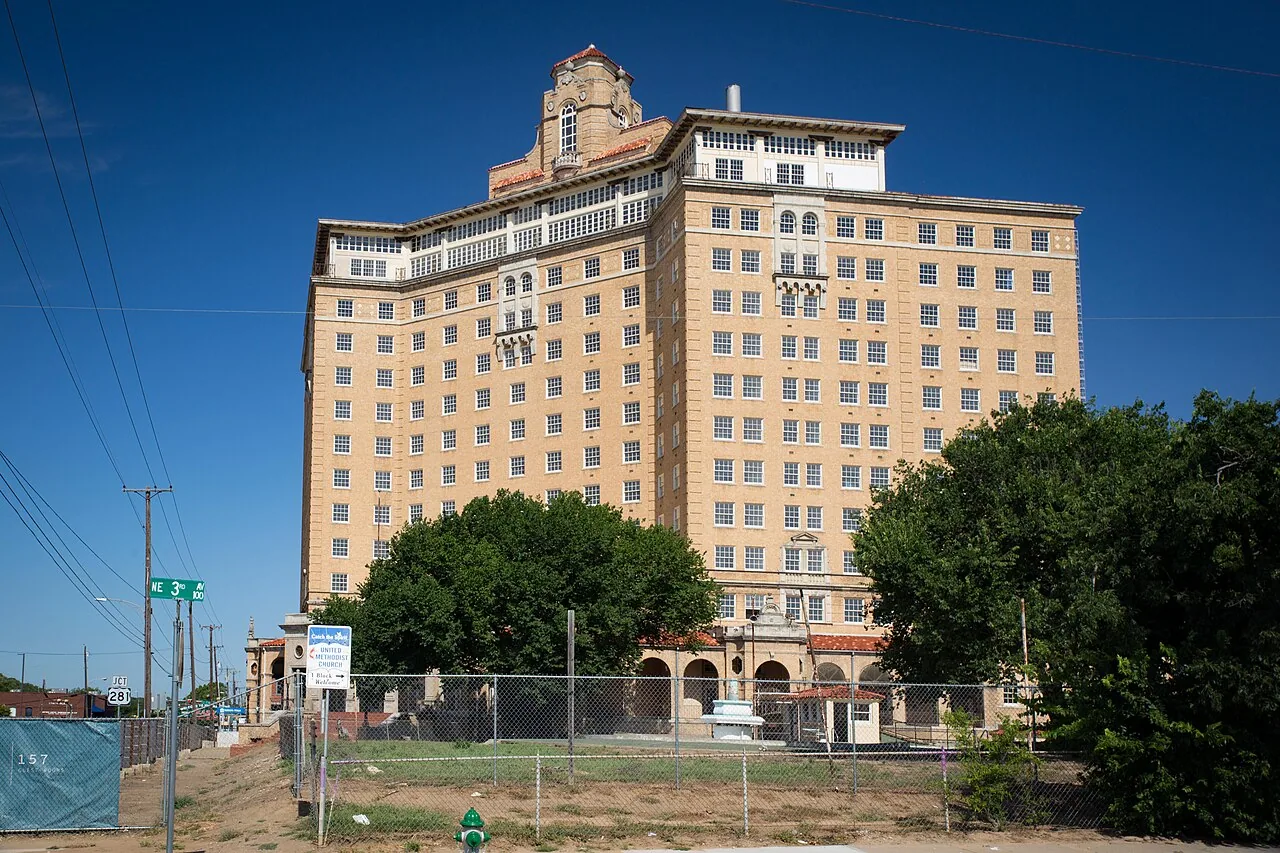
Roofing for Hospitality Groups in Denton, TX
A roof report from a guest room is urgent, but the mark on the ceiling does not identify the roof detail that needs work. In Denton, TX, we record the room, date, operating impact, and roof area inspected, then keep reported symptoms separate from field findings. That gives a hospitality manager a decision point: protect the interior, authorize a defined repair, or investigate beyond the visible area. Emergency response is available at any hour, including holidays and weekends.
Hotels and event properties can have guest rooms, kitchens, meeting areas, equipment zones, canopies, and later additions under one ownership. We confirm the roof assembly at each building. A hotel roof review identifies physical details; a retail operations plan addresses different customer traffic. A portfolio manager may use a property record to keep site contacts and approvals current.
Trace the Reported Room
Preserve the room number, time, and guest or staff report as received. On the roof, we inspect accessible seams, drains, curbs, penetrations, wall transitions, and previous patches. A leak may travel before it appears indoors. The photo log should connect each observation to a roof zone and identify any area that could not be reached. Do not use one room report as a conclusion about the whole property.
Guest protection can require a temporary room move or interior covering while roof access is arranged. The manager decides those operations steps. We record the affected area and the roof work proposed. A roof inspection can establish the assembly and open questions; if water remains active, emergency response can protect the interior and address the immediate exposure while permanent work is scoped.
Coordinate Quiet Hours and Guest Routes
Set roof access, delivery, lift staging, noise limits, housekeeping, and interior protection with the property contact. Identify guest corridors, loading areas, meeting schedules, and any room that must remain available. A schedule should say when a work zone is opened and who returns it to service. If a change affects a guest area, name who authorizes the move and who communicates it to staff.
Denton planning references Loop 288 in its access discussion. Check current project conditions and the approved hotel delivery entrance before dispatch. The City describes Downtown TIRZ as an area for infrastructure needed to encourage redevelopment; that district context does not establish a property’s use or access. A nearby Flower Mound property needs its own municipal and guest-operation plan.
Compare Options by Guest Impact
A localized flashing, seam, drain, or curb issue may support a contained repair when nearby materials remain suitable. We mark the boundary, correction, exclusions, and any condition that could enlarge the scope. If moisture or repeated reports extend across several areas, further investigation may be warranted before a permanent recommendation. The file should explain what the guest-service team needs to protect while a decision is pending.
Replacement, recover, and coating differ in removal, noise, odor, delivery, and access requirements. Check moisture, attachment, drainage, and compatibility before considering a recover or coating. A repair line can be compared with a replacement option using the same areas and operating assumptions. If several buildings have different assemblies, price their scopes separately rather than carry one work sequence across the property.
Apply Denton Climate Records Carefully
The NWS long-term Denton table records 38.44 inches of annual precipitation and summer maximum means of 95.9°F and 95.8°F for July and August. They help frame a schedule, not prove guest-room water entry. They do not show roof-surface temperature, guest-room leakage, or drain performance at one address. We document the membrane, flashing, drainage, and interior conditions actually observed. The forecast and material requirements guide the installation date.
Westpark TIRZ is the Denton district north of Airport Road; Downtown TIRZ addresses infrastructure for a different part of the city. Neither describes a hotel or its roof. The district references describe public investment, not a hotel entrance or roof. The property contact must confirm staging, guest routes, and work-area access for each building. Do not infer operating details from a map label. Tie the access record to the roof area and inspection date so schedule changes remain traceable.
Close the Work Area and the File
Before work, provide roof plans, room reports, access rules, guest-service contact, operating calendar, and prior repair records. If a test opening is proposed, state the location, method, room protection, and restoration. The proposal should identify who approves access and who can release a room or meeting area. Include the time needed for setup and cleanup, not just roof application.
At closeout, retain the approved scope, dated photos, work areas, material records, changes, exclusions, warranty documents, and any temporary protection awaiting review. Record findings in the property file. A multi-site review can standardize reporting across holdings while keeping each guest impact and access record local. The next manager should distinguish completed repairs from open questions.
Close the operations loop with the staff contact who reported the issue. Record which interior area was protected, whether the water stopped, and what permanent work remains. Do not describe the roof as resolved unless the authorized scope is complete and the closeout observation supports that statement. A separate review date for temporary measures prevents a short-term response from disappearing from the property file.
For buildings with a restaurant, ballroom, or meeting suite, coordinate the work zone with the staff schedule and the route guests use. Keep any restricted access or noise period in the scope. If a late change moves the crew to another area, record which room and roof zone were affected. That gives the property team a clear basis to update staff and compare the completed work with the original approval.
A capital summary can list open questions by building and due date. Keep the supporting photos, test results, and work authorization attached to that location. The summary should not turn a temporary measure into a permanent condition statement. State what would trigger the next visit and who confirms that the affected space is ready for guests.
Commercial Roofing Questions
Can roof work happen while guests remain on site?
The access route, guest areas, noise, staging, room protection, and property schedule determine the sequence. We can define separate work zones and name the contact who returns an area to service. The operating plan should be confirmed before pricing.
Does a guest-room water report locate the roof defect?
It identifies where and when a condition was reported. We inspect accessible roof areas and transitions, then document what the observations support. The report should not treat the ceiling mark as proof of a specific entry point.
What does a hospitality manager need for emergency response?
Give the property address, affected room or area, current water status, access contact, and any immediate interior protection. We can respond to active water and document the roof area available for inspection. A permanent scope follows the observed assembly and condition.
How can an owner compare repair with replacement?
Compare the defined roof area, evidence, guest impact, access assumptions, schedule, and exclusions. We can present a contained repair and broader alternative separately. Moisture or compatibility questions should be resolved before pricing a recover or coating.
Which records should transfer to a new hotel manager?
Keep the roof plan, inspection date, photos, work scope, changes, closeout record, warranty file, access record, and unresolved items with the property identifier. Include the next review owner for temporary protection. That provides a useful starting point for the next decision.