
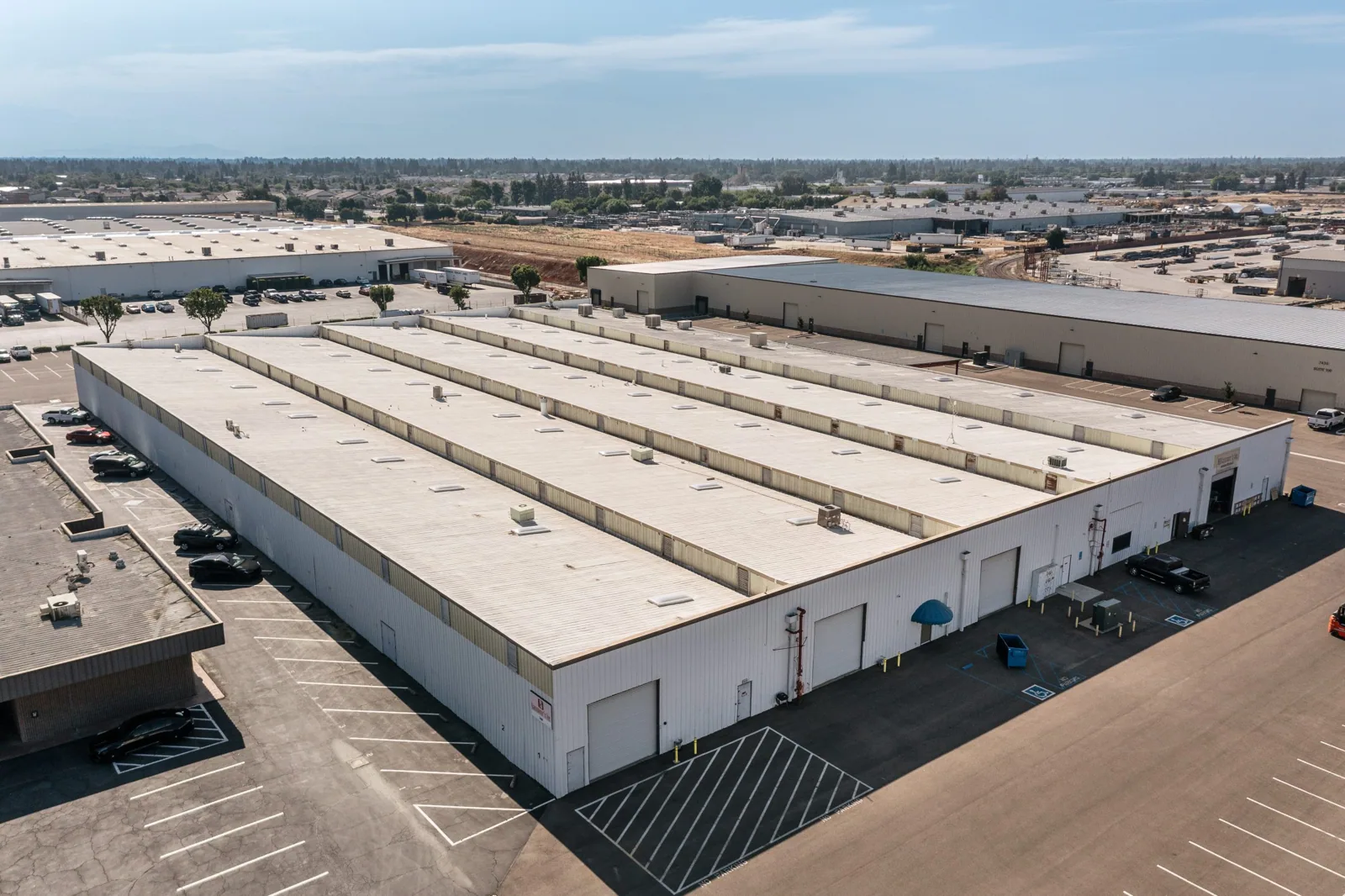
Acrylic Roof Coatings in Denton, TX
A faded coating at a roof edge needs more than a color match. Identify the existing substrate, coating history, drainage, and areas of exposed material before a restoration estimate is prepared. In Denton, record the inspection date, roof section, and available product information so the owner can compare the proposed work with the observed condition.
Acrylic coatings are liquid-applied products used in roof restoration systems. The substrate, preparation, product formulation, water exposure, and application conditions all matter. A commercial roof inspection should identify these factors and record where compatibility testing remains open.
Identify Coating and Substrate History
Collect the original roof specification, previous coating product data, repair scopes, test patches, and warranty correspondence. Map which roof areas are covered by each record. A coating applied during one project phase may not continue over later additions or patched sections.
Inspect for chalking, cracking, exposed reinforcement, loose material, trapped debris, and patches with a different finish. Record each change rather than treating the surface as uniform. If product identification is uncertain, request records or manufacturer guidance before selecting a new coating.
For a silicone comparison, review the silicone coating system page. A TPO membrane review helps frame a different assembly option. These comparisons do not establish that either system is compatible with a particular existing roof.
Define Cleaning and Surface Preparation
Preparation is part of the system, not a minor line item. Specify how the surface will be cleaned, how loose coating will be removed, which repairs occur first, and how the prepared area will be accepted. Identify materials that need special handling and drains that require protection.
Set a representative test patch on the actual substrate and use the proposed preparation. Record the location, date, coating product, cure period, and adhesion result. A test is limited to that area and those conditions. If the roof includes dissimilar materials or previous repairs, consider separate tests rather than extending one result across the entire roof.
An acrylic restoration scope should state the test plan and any manufacturer review needed before application. Do not price a uniform coat until the substrate and preparation assumptions are clear.
Check Drainage and Water Exposure
Map drains, scuppers, overflows, low points, and locations where water remains. Record stains, coating separation, debris dams, and open flashing nearby. A coating does not by itself correct slope or change a drain elevation. Record whether water exposure is intermittent or persistent and what inspection supports that description.
Some acrylic systems have limits for continuous water exposure. Confirm the selected product requirements before treating a low area or drain bowl. Where moisture below the surface is in question, identify the test needed to confirm the assembly. An infrared moisture survey may help locate confirmation points when roof construction and field conditions support useful readings.
NWS Denton normals report annual precipitation and high summer mean maximum temperatures. Those regional measurements do not show moisture or surface temperature at a specific roof. Use the actual assembly and current conditions to set an application window.
Specify Film Build and Detail Work
Identify the required application rate, number of coats, target film thickness, reinforcement locations, and inspection method from the selected system documents. Record the equipment and weather limits. A wet-film check during application and a dry-film confirmation can show whether the installed layer follows the specified approach. Log the time, weather, surface state, material quantity, and roof area for each work period. Keep stop-start boundaries visible, since a return visit may meet a cured edge. The closeout should identify who reviewed those checks and which locations require reinspection. Use consistent test points for later comparison at each follow-up visit.
Review seams, penetrations, curbs, wall transitions, and perimeter details before coating the field. Repair movement joints and open flashing with compatible details. Keep the reinforcing fabric, sealant, and coating components identified in the closeout file. A repair scope can define substrate work that should be complete before application begins.
Protect drains and adjacent surfaces from coating runoff. Mark walk paths and areas where other trades could disturb the uncured film. Record any area that could not be completed so it remains visible in the project record.
Compare Restoration with a New Assembly
Restoration may be supportable when the existing roof is stable, dry, and compatible with the coating after preparation. Replacement deserves review if moisture, attachment, deck, insulation, or drainage conditions exceed what the coating scope addresses. State the evidence and any unresolved test question for each option.
Before considering a recover, document the existing layers, edge height, drain transitions, and added assembly requirements. A recover evaluation can show what must be confirmed. A replacement scope should identify removal limits, protection, temporary dry-in, equipment coordination, and closeout requirements.
Denton planning documents treat Loop 288 and US 380 as transportation links for development. That broad reference says nothing about a particular roof or job schedule. Confirm the property contact, arrival instructions, and current road conditions before setting an inspection date.
The Downtown TIRZ is a defined infrastructure district. Its designation does not indicate roof age or project scope at an individual building. Use property records and roof findings for the capital decision.
Set the Application and Access Window
Confirm roof access, occupied hours, staging, weather limits, and the owner decision date. Keep the site contact and emergency route available to the crew. If preparation reveals a different substrate or widespread coating failure, stop and document the condition before expanding the scope.
Krum is a nearby incorporated city. Confirm the property location, access rules, and governing authority for each assignment. The municipal name does not establish travel time or service availability.
Plan return visits for test-patch review, application inspection, and cure confirmation when required by the selected product. Record the dates and conditions for each step. A short schedule record prevents a test result from being applied to a different surface or preparation method.
Keep the Restoration Record Usable
Retain the substrate map, product data, test results, preparation method, scope version, application logs, dated photographs, access records, and exclusions together. Mark the areas coated and any area left out. Save film measurements with their locations and method.
At closeout, photograph repaired details, reinforcement, field application, and drain transitions. Record any change to the approved system and the reason. Keep warranty correspondence with the file, but base coverage conclusions on the terms and actual installation record.
For a later inspection, compare the same roof areas and record any change in water exposure, film condition, or repair history. The record should support the next decision without assuming that a prior coating removed the need for inspection.
Commercial Roofing Questions
Can an acrylic coating go over any existing roof surface?
No. Identify the substrate, existing coating, moisture condition, preparation, and product requirements. Use a representative test patch when compatibility is uncertain.
How does water exposure affect an acrylic coating choice?
Check the selected product's limits and map areas of persistent water. Correct drainage concerns or choose a system that fits the confirmed conditions.
What should a coating test patch document?
Record the roof location, surface preparation, product, application conditions, cure interval, adhesion result, and the decision made from the test.
Will acrylic coating repair a damaged roof deck?
No. The deck and supporting assembly require separate review. Document concealed or soft areas and define the structural work outside the coating scope.
What measurements belong in an acrylic coating closeout?
Keep application records, film checks, test results, area map, repair photos, product data, exclusions, and follow-up dates together.