
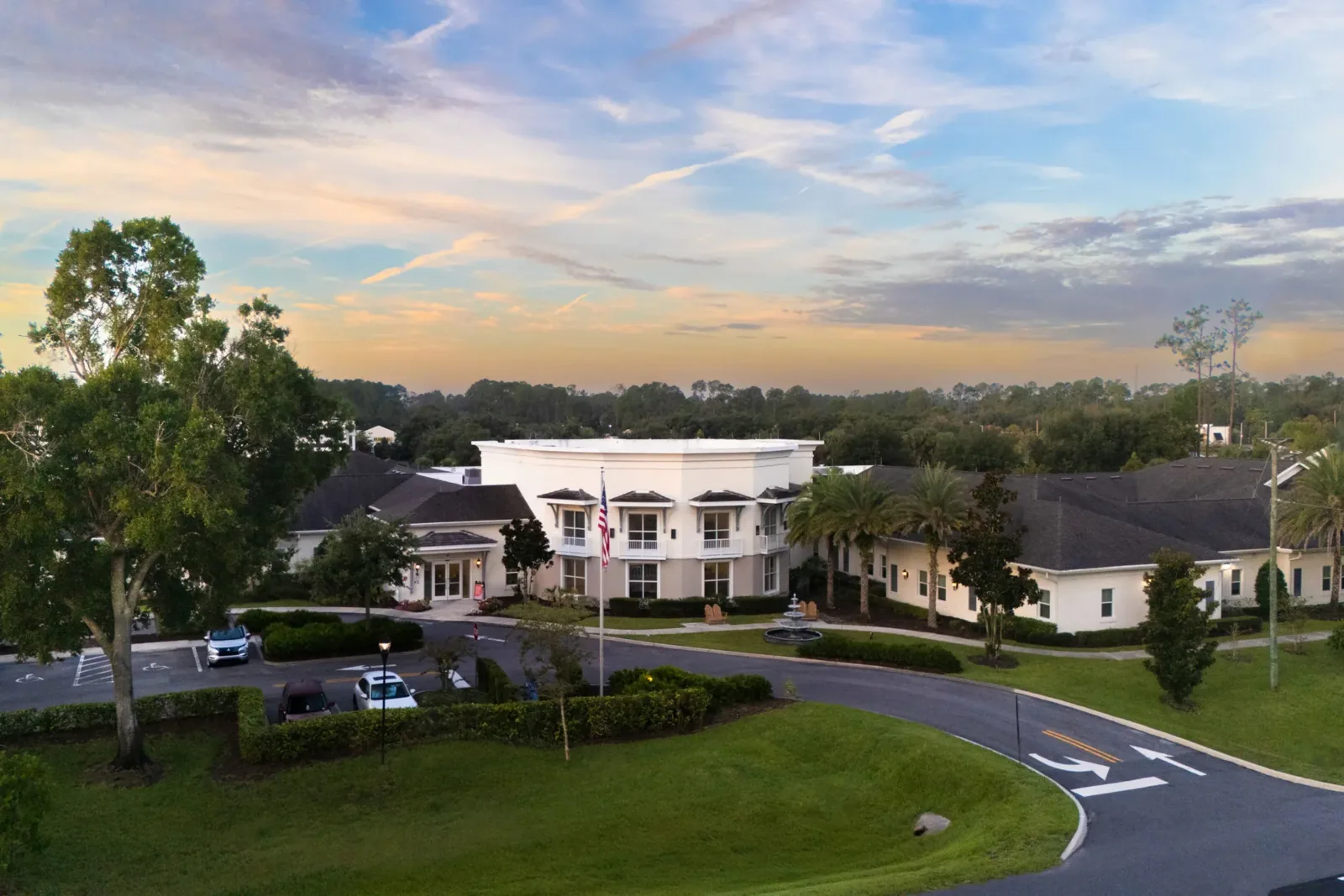
Senior Living Community Roofing in Denton, TX
A ceiling stain in a resident room is a location to investigate, not a roof diagnosis. The first decision is how to protect the room while the water path is traced. In Denton, TX, we start with the roof area above the report, recent work records, drainage path and photographs. We separate the observed condition from the suspected cause. A report received overnight or on a holiday can still be addressed; our response helps protect the room and trace the roof area while access is coordinated. The permanent repair line follows the assembly, moisture findings and the condition at seams, curbs and penetrations.
Senior living buildings stay in use while repairs are considered. The work plan must account for resident routes, staff routines, deliveries and any rooms that need protection. We document those constraints beside the roof findings so the decision is practical for both the building and its occupants. For a wider condition review, see our medical office roof assessments and hospital roofing scopes, where occupied-space coordination also affects sequencing.
Trace the report to a roof area
Start with the room number or wing, the time the condition appeared, and any change after rain or rooftop work. Those details narrow the inspection route. We compare the interior report with the roof plan, drain locations and visible transitions above the affected area. A photo log records what we can see at the roof surface, including open seams, displaced edge metal, cracked sealant or a blocked drainage path. Each item gets its own observation. A suspected path is labeled as a question until the water route is confirmed.
A repair scope should identify the material, location and limits of the proposed work. That matters when a care wing, dining area or therapy space cannot be closed without notice. We can inspect the roof, record the affected area and prepare a condition report for the capital file. If active water requires immediate attention, the emergency roof response can address protection and investigation first.
Compare a repair with a larger scope
A small repair can be the right decision when the defect is isolated and the surrounding membrane remains serviceable. The inspection should still check nearby seams, flashing and drainage, because water can travel before it reaches a ceiling. We mark the repair boundary and explain what evidence supports it. If wet insulation or recurring failures extend beyond one detail, we identify the limits of a local patch and price a broader area separately. That gives the owner a real comparison instead of an automatic replacement recommendation.
On a senior living property, disruption is part of the scope decision. A repair may need a protected route for materials, quiet windows near sleeping areas and notice to staff before access to a roof hatch. Replacement can require phased work, temporary protection and a schedule coordinated with resident activity. We explain what each option changes: the area opened, the work sequence, the access need and the records delivered. Where a coating or recover is under consideration, the existing assembly and moisture condition need review first. A commercial roof inspection can establish those findings before a bid comparison is finalized.
Plan access around resident care
Before mobilization, we need the roof area, a decision date, available records and an access contact. The facility can identify restricted rooms, medication or meal delivery windows, fire lanes, resident drop-off and the route used by staff. We put those records beside the work sequence. Roof access should not create an unplanned path through resident areas. If lifts or material staging are needed, the plan should show where they can be placed and who clears the route.
Schedules can shift when weather or access changes. Denton’s Loop 288 and US 380 corridors matter when crews, equipment or deliveries are routed across the city, but current traffic and project conditions must be checked before a work date is set. We confirm site access and delivery timing with the facility contact rather than assume a published route is clear. The scope version records the work hours, protection needs, exclusion areas and closeout steps.
Use Denton conditions as context
In the 1991-2020 Denton normals, July mean maximum air temperature is listed at 95.9°F. The annual precipitation normal is 38.44 inches. A senior living roof still needs its own drainage and flashing review; the weather record cannot identify a resident room or establish a defect. The county’s tornado climatology is another regional reference. We compare an event report with dated photos and the actual attachment, edge and flashing conditions visible at the property.
Westpark lies north of Airport Road; Downtown TIRZ is another defined Denton district. A facilities lead can use those names to place a work order, but roof access and assembly details come from the operator and current inspection. We document the building-specific route and service boundary rather than infer roof needs from district location. For nearby properties, our commercial roofing service in Lewisville and work in Flower Mound follows the same inspection-first approach, with the scope tied to the actual building and access plan.
Keep the decision record complete
Collect the last inspection date, roof plan if available, previous repair invoices, warranty file and any photographs of the interior condition. Add the facility’s access contact and a preferred notice process. We can compare those records with current roof observations and record gaps without treating an old report as a current condition assessment. If the property has several additions, label each roof area by building or wing. That prevents an older repair record from being applied to a different assembly.
For an insurance review, preserve the date of the event report and the photos showing the condition before temporary work. We can prepare roof findings and a scope of repair for the owner’s file, while the insurer makes its own coverage decision. If high heat or wind has raised questions, link the observed area to the relevant heat-related roof review or wind damage inspection. The record should show what was visible, what was repaired, and what remains to monitor. That level of detail helps the next budget discussion rely on a named roof area rather than a general condition label.
Commercial Roofing Questions
Can a resident-room stain be traced without closing the whole wing?
Usually the first visit can be limited to the reported room and the roof area above it. We coordinate access with staff, document the route and protect the interior work area. If the water path leads elsewhere, the inspection boundary may expand. The record will distinguish the initial report from additional conditions found during the review.
What should the facility send before a roof inspection?
The most useful starting set is the room or wing, the date noticed, photos, roof plans, prior repair records and an access contact. Include any resident-care periods that restrict noise or movement. Those details help us plan the inspection route and identify which roof areas need to be checked first.
How do you keep roof work from crossing resident routes?
The access plan lists hatch locations, staff-only paths, delivery windows and areas that must remain clear. We review staging and material movement with the facility contact before work begins. If the proposed route cannot be separated from resident activity, we revise the sequence or schedule before mobilization.
When does one repair become a replacement discussion?
A replacement comparison makes sense when inspection findings show multiple failing areas, widespread moisture, repeated repairs or an assembly that cannot support a durable local repair. We describe the evidence and price the repair and broader scope separately where possible. The owner can then compare cost, disruption and capital timing against the building’s needs.
Can a repair be documented for an insurance file?
Yes. We can provide dated roof observations, photographs, a repair scope and closeout information for the property record. Those materials describe the roof work and findings. The insurer determines coverage, and any requested forms or inspection access should be coordinated with the claim contact.