
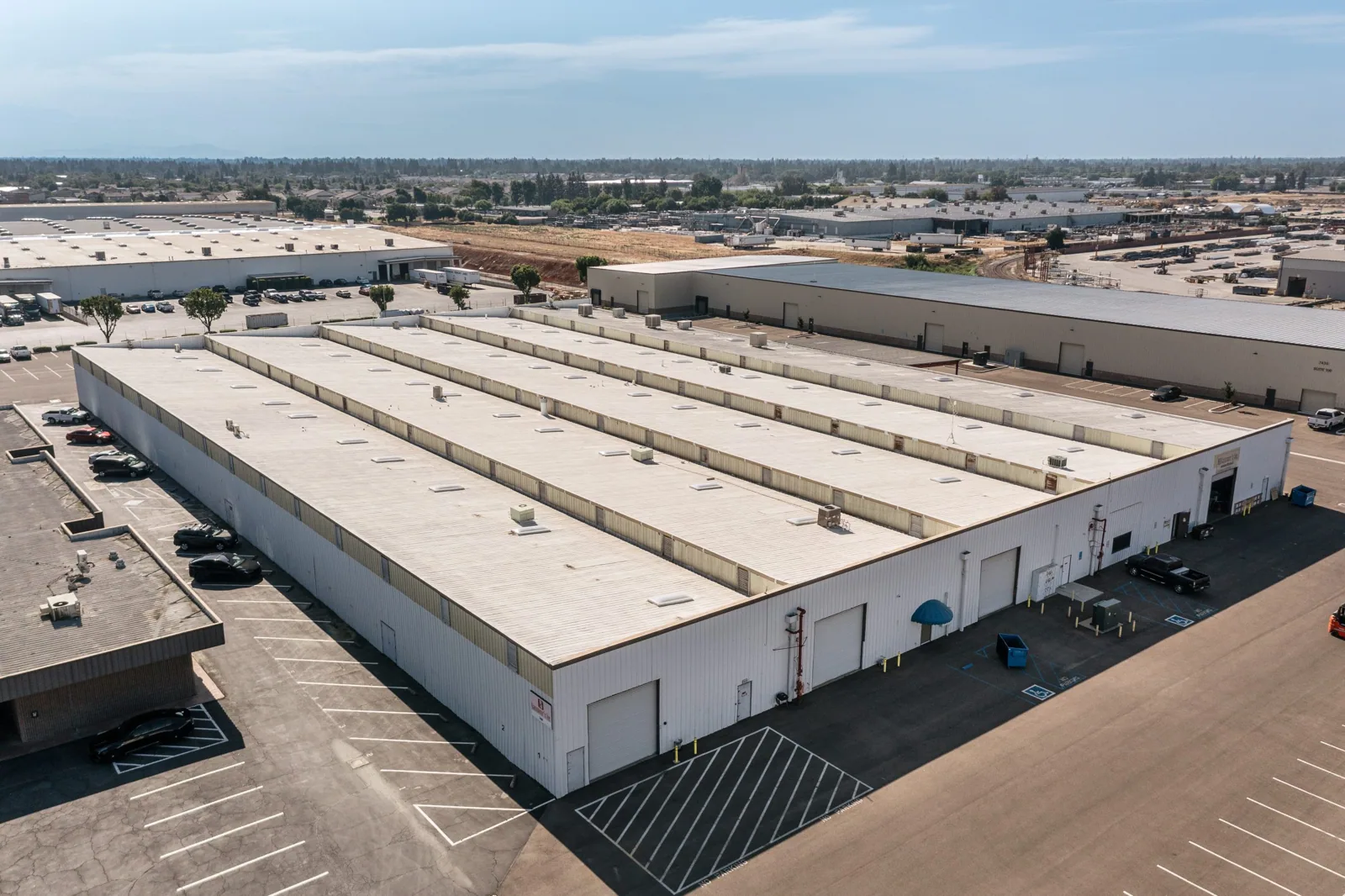
Heat and UV Roof Damage Repair in Denton, TX
A chalked surface or brittle edge is a condition to record, not a complete diagnosis. In Denton, TX, record the roof area, material, exposure, inspection date, and whether the change reaches a seam, flashing, or substrate. Summer air temperatures do not measure a roof surface. The owner decision depends on the assembly, observed wear, moisture findings, and remaining serviceable area.
Sun and temperature cycling can affect exposed membranes, coatings, sealants, and metal finishes over time. Surface color alone does not establish remaining performance. We compare the affected area with adjacent material, available product records, and prior photographs. A coating restoration assessment can determine whether surface preparation, testing, and system compatibility support that option.
Map the Surface Condition
Describe chalking, cracking, exposed reinforcement, blistering, shrinkage, exposed fasteners, corrosion, or loss of coating only where visible. Mark the location and extent on the roof plan. Photograph the same area from a wide and close view. Record whether the condition continues at a seam, curb, drain, or edge, and whether an earlier repair crosses it.
Compare the material with records, labels, and previous scope versions. A roof may include several phases and different products. Do not assume a uniform age or coating history across the whole building. The commercial inspection can map surface observations and identify areas that require closer review.
Where the surface has a split or open lap, treat it as a repair boundary rather than a coating-preparation record. The seam failure review addresses that detail. If standing water is also present, map it separately and compare it with the ponding water condition before deciding on drainage work.
Separate Wear from Moisture
Inspect transitions, penetrations, fasteners, seams, drains, and edges around the visibly aged area. Water entry may be separate from surface degradation. Record the interior report and roof observation independently. If moisture is suspected below the membrane, select confirmation points suited to the assembly and accessible conditions. An infrared survey may help guide testing, but its usefulness depends on construction and field conditions.
A coating system needs a compatible substrate, sound adhesion, and preparation that meets product requirements. Test the actual surface. Record the test area, method, result, and any limits before pricing full application. A coating cannot correct wet insulation, failed attachment, open seams, or inadequate drainage. Those items need separate work decisions.
For metal, identify the existing finish, corrosion extent, fasteners, and movement at joints before selecting a repair. For membrane, confirm the sheet and compatible accessories. The roof repair scope should define any localized patch and identify what remains outside it.
Compare Restoration with Replacement
Maintenance may fit when the concern is surface dirt or a small area of aging and the assembly remains sound. A localized repair may fit when a defect has a clear boundary and compatible material can tie into stable membrane. Restoration merits review when the field is broadly weathered but still eligible for the chosen system. Replacement deserves comparison when moisture, attachment, deck, or repeated failure changes the underlying assembly decision.
Cost depends on roof area, preparation, coating thickness and product requirements, test results, access, substrate repairs, and occupancy controls. Do not compare a coating bid with replacement unless both scopes use consistent roof limits and exclusions. State the assumptions about adhesion, moisture, drainage, and other trade work. A replacement option can be evaluated alongside repair without treating visible aging as proof that tear-off is required.
If an insurer or owner is reviewing an event, separate it from longer-term wear. A wind damage assessment maps displacement and impact. It should not absorb pre-existing coating or membrane conditions unless the evidence supports that relationship.
Use Denton Climate Data Precisely
NWS 1991 to 2020 normals for Denton include July and August mean maximum air temperatures near 96°F and 38.44 inches of annual precipitation. These statistics frame scheduling and inspection questions. They do not measure roof-surface temperature, ultraviolet exposure at one elevation, coating thickness, or present membrane condition. The field record must carry the repair decision.
Westpark TIRZ appears in Denton's planning record as a district for public infrastructure and private investment. That reference does not establish the system or exposure at any individual property. Krum lies near Denton, and Argyle is another nearby municipality. For either city, actual service access and permit requirements depend on the property's address and governing authority. Our Argyle service area should be considered by the property location, not a municipal label alone.
Denton's development materials also describe Downtown TIRZ as a defined area for public infrastructure that supports redevelopment. A manager planning work there should confirm staging, access, tenant schedule, and any restrictions directly with the property. A district designation does not tell us roof age or coating history.
Set Conditions for the Work
Coating and repair work depend on surface preparation, dry conditions, temperature limits, and a suitable application window. Confirm product instructions for the specific system. Record the forecast and actual site conditions used to set the work plan. If weather changes, state whether the area needs temporary protection or additional preparation before the crew returns.
For an occupied building, coordinate odor, noise, rooftop equipment, ventilation, and access to the work zone. Identify who may shut down units or move lines. Emergency response is available overnight, on weekends, and holidays, while permanent restoration follows the approved access and application conditions. Keep temporary leak control separate from coating or replacement work.
The project file should state which roof areas were tested, which were accepted for application, and which were excluded. If test adhesion fails or hidden moisture is found, list the next decision and its cost or timing effect rather than carrying an outdated assumption into the final price.
Track the Next Inspection
Retain the roof map, product identification, inspection date, test locations, surface photographs, preparation record, scope version, access records, and closeout images. Photograph the prepared surface and completed transitions before access changes. Label any area that was not coated, repaired, or inspected so a future reviewer can distinguish exclusion from completed work.
A preventive maintenance program can schedule recurring surface observations, drain checks, and dated photographs. Compare the same locations over time. This supports a budget-year decision without treating climate averages as a condition assessment. If fire or smoke affected a nearby area, keep that review separate with its own event and inspection dates.
After completion, keep test results and product documentation with the warranty file when applicable. Record unresolved areas and the follow-up needed to close them. The next capital discussion can then use observed condition rather than a general label such as heat damage.
Commercial Roofing Questions
Do Denton summer temperatures prove a roof has heat damage?
No. Air-temperature normals do not measure the surface or diagnose an assembly. We record the actual material, exposure, visible condition, and any testing needed.
Can a new coating restore a chalked membrane?
Eligibility depends on the membrane, adhesion, moisture, preparation, and selected product requirements. Test the existing surface before pricing broad application.
How can I separate sun wear from a leak path?
Map surface changes separately from interior reports. Inspect seams, flashings, drains, and penetrations, then confirm moisture where the assembly allows useful testing.
What changes the timing for coating or repair work?
Preparation, dry conditions, product limits, access, occupied operations, and unexpected substrate findings affect sequence. Put the prerequisites and weather contingency in the scope.
When is replacement worth comparing with restoration?
Compare when moisture, attachment, deck condition, repeated failures, or broad ineligible areas change the assembly decision. Use the same roof limits and assumptions for each bid.