
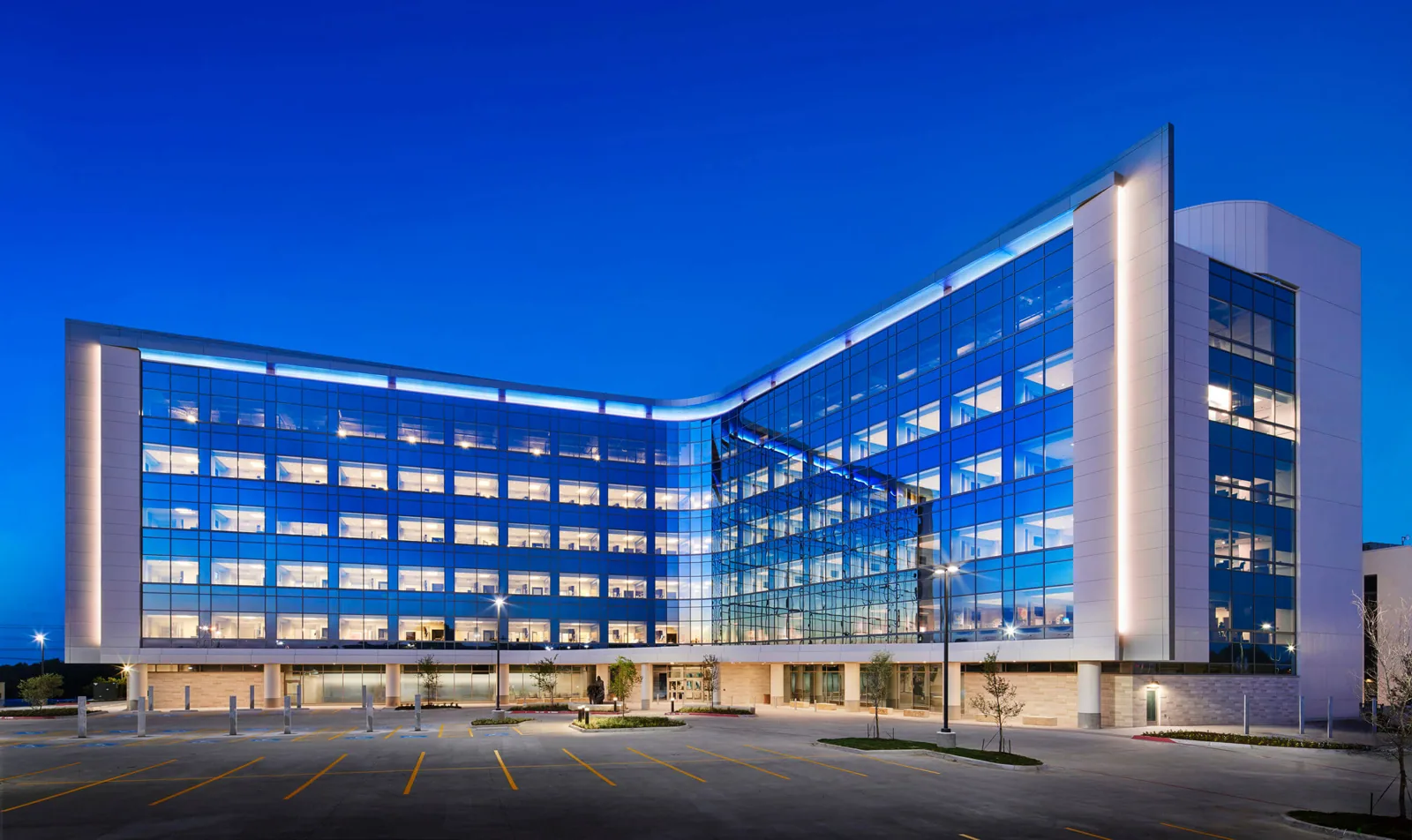
Hospital Roofing in Denton, TX
A roof report at a hospital needs a clear chain of information. Record the location supplied, the time noticed, the operating contact, and whether the condition is continuing. Do not turn a reported symptom into a roof diagnosis before inspection. Hospital facility teams set access, protection, and work rules for their property. The roofing scope should make those decisions visible and leave clinical or security procedures with the owner.
A commercial roof inspection can document roof areas, visible conditions, photographs, and questions requiring further review. The report should state access limits and distinguish observed facts from inferred causes.
Map Roof Zones and Owner Contacts
Divide the roof plan by building, elevation, construction phase, and major transition. Use labels that the facilities team recognizes. Mark access points, drains, curbs, penetrations, and sections above areas the owner identifies as restricted. Keep sensitive operating information in the owner-controlled work file. A public-facing scope needs enough location detail to define the work, not internal procedures or patient information.
For each reported condition, record who reported the condition, the date, interior zone, and nearest roof-area reference. The suspected path may not be directly above the symptom. Keep a reported leak distinct from a confirmed roof defect. A medical office roof guide covers clinic access and tenant coordination; hospital campuses may add multiple buildings and owner-defined controls.
If several roofs are under one capital program, maintain a separate map and condition log for each structure. A data center roof review discusses controlled access and equipment interfaces, but a hospital work plan must follow the hospital operator's own rules.
Document the Condition and Inspection Boundary
Photograph seams, flashing, curbs, drains, edges, and prior repairs from authorized access points. Use a dated image and roof-zone reference. State which sections were viewed and which were not accessible. If interior staff reported water, preserve the time and location supplied. Do not claim that one test describes an entire roof unless the evidence supports that conclusion.
Collect roof plans, prior reports, service tickets, submittals, warranty correspondence, and closeout photographs. Compare each record with the property and installation phase in question. If more evidence is needed, identify the test, location, restoration method, and owner who approves access. Keep the test cost separate from a permanent repair line when the result could change the scope.
Write each finding in a way that facilities, finance, and the project contact can trace. Separate active protection, inspection, testing, and permanent correction. Include a date for reviewing any unresolved item.
Confirm the Assembly Before Selecting a Detail
Use available plans and closeout records to identify deck, insulation, membrane or panel system, attachment, drainage, and edge conditions. Confirm against accessible field evidence. Hospital roofs may include multiple additions or utility areas, so a detail from one section should not be carried to another without confirmation. List product and warranty questions before writing the final scope.
A TPO system review can frame a membrane question, but it does not establish the system installed on a particular hospital building. Confirm compatibility and manufacturer requirements for the actual assembly. If the roof layers are concealed, identify the opening or records request needed to proceed.
State a repair boundary, tie-in detail, protection method, and exclusions. Price replacement, repair, and investigation on separate lines where appropriate. That makes a bid comparison useful and shows which owner decision depends on additional evidence.
Set Access and Protection with the Facility
Before mobilization, confirm check-in, escorts, roof access, approved routes, delivery limits, work hours, and the facility representative who can release an area. Identify who approves a changed scope or a test opening. The owner supplies property-specific procedures. Do not infer them from hospital status or from another project.
Describe staging, daily cleanup, debris control, temporary weather protection, and the condition in which the crew leaves the roof. Keep any temporary measure distinct from permanent repair. Assign a review date and a person responsible for checking it. A maintenance plan can schedule routine roof observations, but it does not substitute for an active response plan.
If the capital choice includes replacement, a replacement scope should state removal limits, transitions, protection, work sequence, and closeout records. Identify owner actions and allowances beside each bid item so the facility can plan its own review.
Use Denton References as Area Context
Hospital campus planning starts with the owner's location and access file. Denton's development page describes Westpark TIRZ as roughly 800 acres north of Airport Road and records infrastructure investment intended to encourage development. It is an industrial district reference, not a healthcare directory or a statement about any building on a campus.
The city strategic plan includes a proposal for connecting Jim Christal Road with I-35. Do not treat that route as complete without a current project check. For a facility by Corinth, the owner should confirm the local reviewing authority for its parcel and scope.
In Denton, regional normals show 38.44 inches of annual precipitation and a July mean maximum air temperature of 95.9°F. They describe climate, not damage at a specific building. Make the work decision from the inspection record, current conditions, and the assembly requirements.
Make the Capital Handoff Specific
Summarize the observed condition, affected roof area, access limit, owner requirement, and open question. Present the next step with a price basis, responsible contact, and decision date. If the recommendation depends on testing, state which result changes the repair boundary or capital option. Show allowances and exclusions where the owner can see them.
At closeout, provide dated photographs, work areas completed, materials documented, scope changes authorized, and warranty records where applicable. List sections that were not inspected or conditions left for follow-up. Keep temporary protection and its review date in the handoff. A later facilities lead should be able to tell what was observed and what work was approved.
Use a campus work request with the building reference, owner contact, available record set, and capital review date. Commercial Roofing Denton can assess the documented condition and return a scope decision that leaves facility rules in the owner's hands.
Commercial Roofing Questions
What information should a hospital provide before roof work is scheduled?
Name the facility contact, access procedure, permitted work hours, delivery rules, escort needs, and any owner-defined restricted areas. Provide roof records and the decision date. The hospital should supply its procedures directly; a contractor should not infer them from another property or project.
How should a roof leak report be documented on a hospital campus?
Record the location and time reported, the person relaying it, and whether the condition continues. Keep that account separate from roof observations. Map the inspection area, record what was accessible, and identify any testing needed to establish the path or extent.
Can one inspection cover every building on a hospital campus?
A portfolio visit can use one schedule, but each building and roof area needs its own record. Construction phase, assembly, access, and observed conditions may differ. Label each location and state any section not inspected so a finding is not extended beyond its evidence.
What belongs in a hospital roof replacement comparison?
Use the same building areas, removal limits, access assumptions, protection scope, and schedule basis for each proposal. Show allowances, warranty questions, and owner actions separately. Include the evidence supporting replacement and identify any test result that could change the option.
What should a roofing closeout record include?
Include dated photographs, completed areas, materials and details documented, authorized scope changes, warranty records, and access limits. Record unresolved conditions and any temporary protection with its review date. Keep facility-controlled information in the owner's file.