
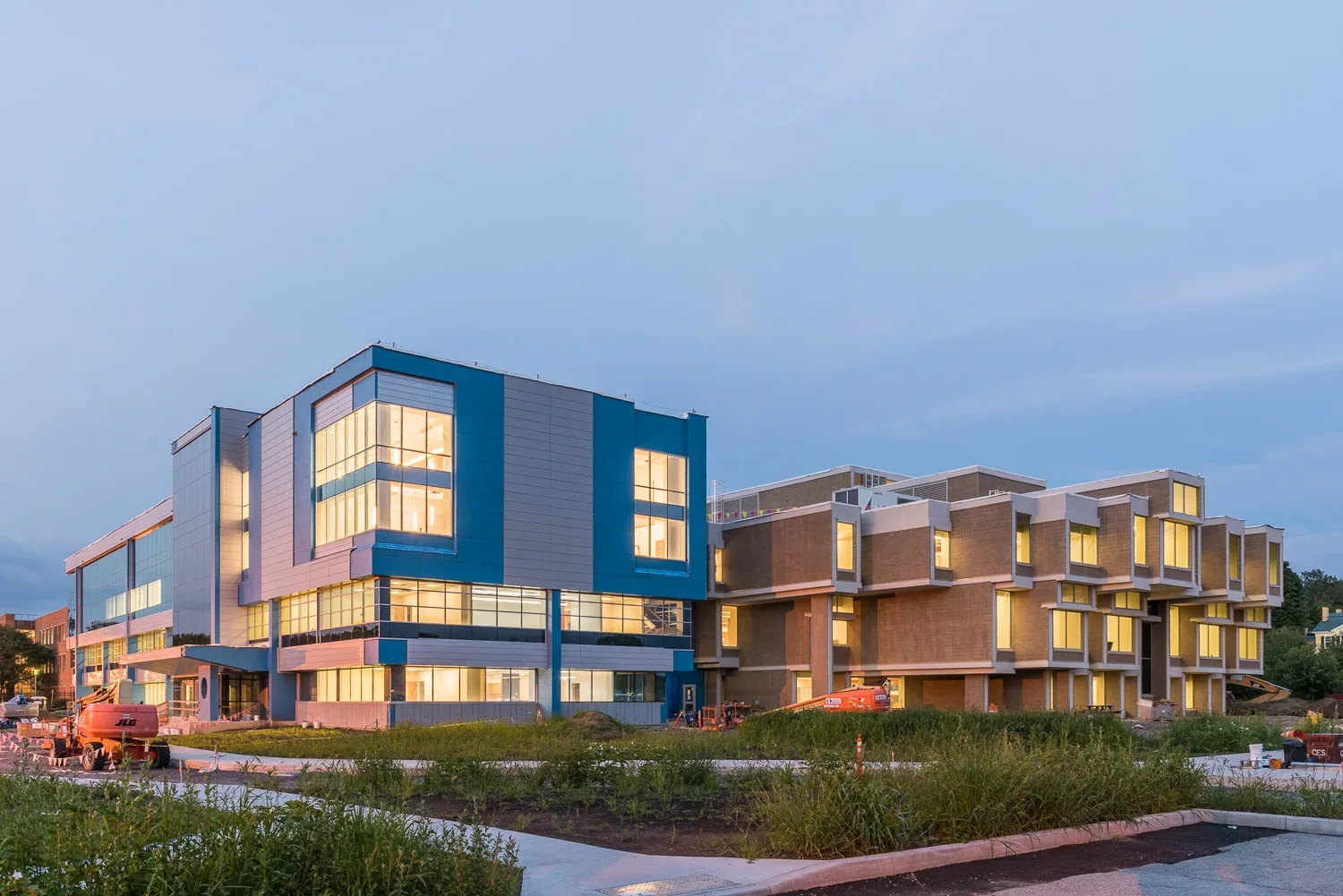
Government Building Roofing in Denton, TX
Permit timing belongs in the roof file before a public building is opened for work. So do the roof area, access contact, observed condition and decision date. In Denton, TX, we inspect the assembly and write the work boundary before recommending repair or replacement. That record gives a facilities lead material for a bid comparison and a public owner a clear scope to route for review. We take emergency roof reports at any hour. The first task is to protect affected rooms and determine which roof area can be reached under the building’s access rules. The permanent repair line follows the condition found at the membrane, edge, drain or penetration, not the administrative label on the building.
Government properties may remain open to employees, residents or service users during roof work. Security procedures, public entrances, deliveries and scheduled meetings can affect staging and sequence. We put those constraints into the access record and separate them from roof findings. The documentation should show which condition is observed, what remains unconfirmed and what work is proposed. For facilities that also serve healthcare or office functions, see our medical office roof scopes and office building roof reviews for related occupied-building considerations.
Record the condition before bid review
Begin with the leak report, affected room and date noticed. Compare that report with roof plans, previous repairs and the drainage path above the space. On the roof, we record membrane type where visible, open seams, flashing condition, drain performance and signs of movement around equipment. Photos should identify the roof area and inspection date. A likely water path is recorded as a working explanation until the conditions support it. This keeps an interior complaint from becoming an unsupported building-wide conclusion.
For a public owner, the report should be readable by someone who did not attend the inspection. We identify the repair boundary, access limitation and any concealed condition that requires authorization before opening the assembly. A commercial roof inspection can establish a current record before procurement begins. If water requires same-day control, our emergency response addresses protection and investigation, with permanent work defined after the roof area is assessed. The scope version should preserve photos, exclusions and the work performed for later review.
Confirm authority and site access
City materials do not replace a project-specific permit review. The City of Denton’s residential-permitting information identifies adopted 2021 International Building Codes and a June 1, 2022 application date for permits covered by that residential page. A commercial roof project needs its own confirmation with the governing staff. We can identify the proposed system and work extent for that discussion. The owner or project representative confirms the applicable permit path, current code edition and submittal requirements before the schedule is fixed.
Site controls can matter as much as the work sequence. The facility contact should identify security check-in, badging, escort needs, roof-hatch keys, public hours and any area that must stay open. We confirm lift placement and delivery routes before materials arrive. Denton’s Loop 288 and US 380 corridors are relevant access references, but current traffic, construction and driveway conditions need a fresh check. The access record records the route and contact used for the specific property. If public operations continue, a phased roof replacement can define which portion is active and which entrances remain clear.
Separate repair work from capital work
A localized defect may support a repair when the surrounding assembly is sound and moisture is limited. We show the damaged detail, nearby conditions and proposed repair area. If water has reached insulation, additional investigation may be needed before closing the roof. For broad deterioration or repeated repairs, we can prepare a separate replacement scope. Keeping the options distinct helps the owner compare near-term response with a planned capital project and avoid combining unrelated findings into one vague line item.
Drainage deserves its own check on public buildings with multiple roof sections. A backed-up drain or obstructed scupper can affect water movement, but its presence alone does not explain an interior leak. We inspect the drain bowl, adjacent membrane, overflow path and nearby penetrations. Our drain and scupper repair work can be scoped separately from membrane repairs. Each item receives a location, photo and closeout step. This makes acceptance easier when a facilities team or public project reviewer needs to match the completed work to the approved scope.
Use local context without assuming condition
Annual climate tables give Denton’s July mean maximum as 95.9°F, with the August value at 95.8°F. The city record does not describe membrane heat at a roof. We inspect actual flashing, drainage and support conditions. Denton County tornado history provides regional context; photos and observations at the public facility determine what can be scoped.
Facilities staff may place a project in Downtown TIRZ or Westpark TIRZ on the city map. Denton’s planning record discusses Loop 288 and US 380 as transportation corridors. These references orient the job; the project contact confirms current route, access and commercial permit requirements. Our government roof service near Lewisville uses the same documentation standard, with actual access and jurisdiction confirmed for the project rather than inferred from a map.
Keep procurement and closeout aligned
Before bids are requested, assemble the roof plan, last inspection, prior repair records, warranty file, event photographs and current access rules. Mark the building and roof area on the plan. If the owner has a budget year or funding deadline, include it with the decision date. We can state the scope, exclusions, material assumptions and anticipated sequence in a consistent format. Any unknown condition should remain visible as an allowance or authorization point, not be buried in the description.
After work, retain the approved scope version, dated progress photos, change records and closeout record together. For storm-related work, we can document roof observations and completed repairs for the property file. The insurer or public owner decides coverage and acceptance under its own requirements. A roof condition report can help compare an earlier inspection with new findings. If wind is part of the concern, our wind damage inspection records the observed areas and repair limits. The file should let a reviewer follow what was found, authorized and completed.
Commercial Roofing Questions
Does the residential code page determine the code for a city roof project?
No. The City’s residential-permit information is limited to the scope stated on that page. We identify the proposed roof assembly and work extent, then the owner or project representative confirms the current commercial permit path and code requirements with the governing authority.
What should a public facilities team include in a roof bid package?
Include the roof plan, inspection date, repair limits, access rules, work hours, exclusions and required closeout records. Where the roof has several sections, label each area separately. Consistent scope documents make it easier to compare bids and route questions to the right reviewer.
Can a government building stay open during roof repairs?
Often, if access, protection and sequence are planned for the building’s actual operations. We coordinate public entrances, deliveries, security and occupied rooms with the site contact. The work plan should identify any temporary closure and the route that remains available.
How are storm observations kept separate from assumptions?
We tie dated photos to visible roof areas and record the condition found at each location. A regional storm record may provide context, but a site inspection determines what is present at the property. The report can state which findings support repair and what still needs investigation.
What belongs in the project closeout file?
Keep the approved scope version, change records, dated work photos, repair locations and closeout observations together. Add permit documents and owner acceptance records as required by the project. That file gives the next facilities review a clear record of the work completed.