
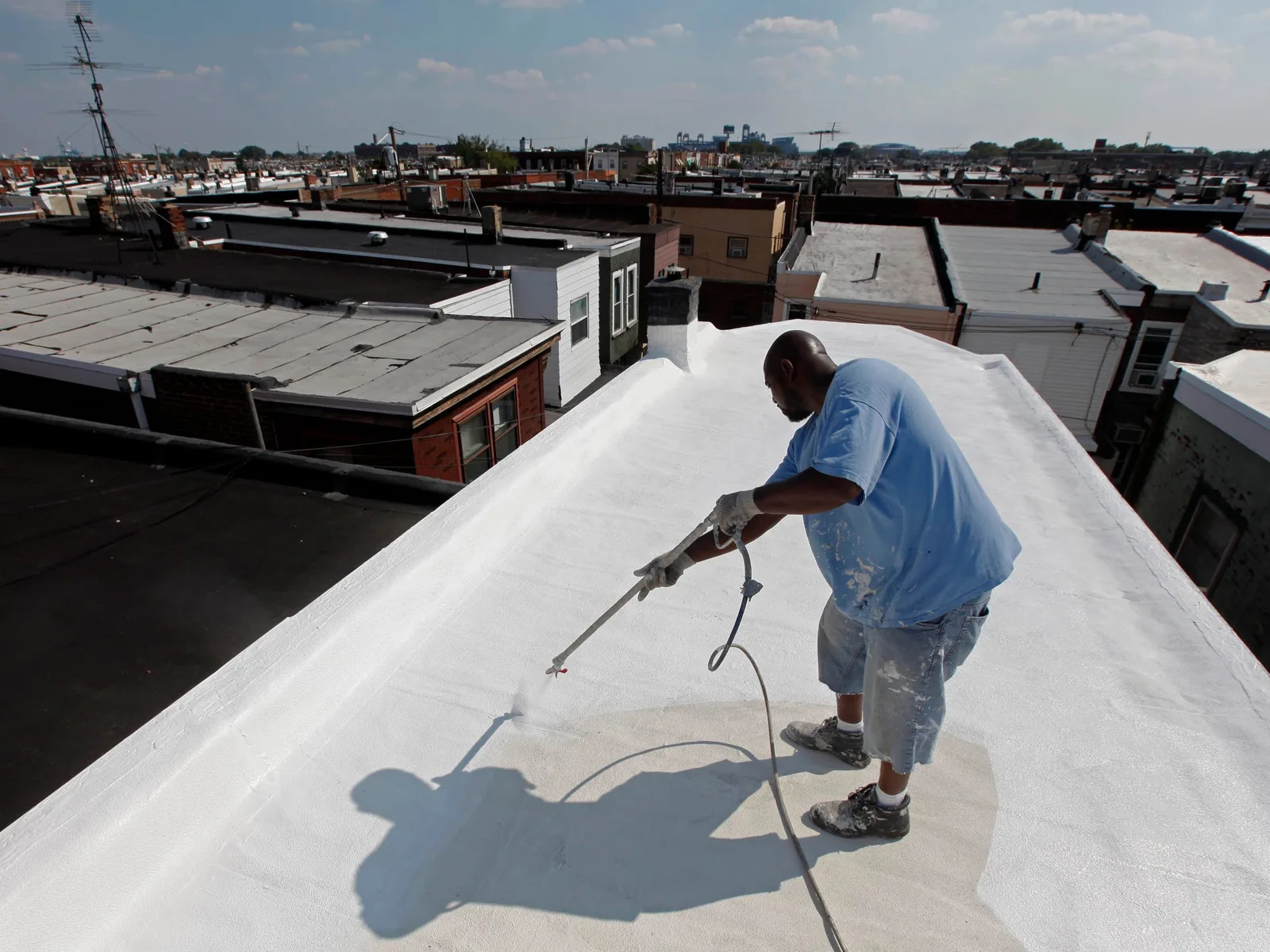
Military Installation Roofing in Denton, TX
The first question is which records control the roof work, and who can release each phase. Military installation roofing in Denton, TX must follow the project’s access, safety, security, and scope requirements. We document the roof area, observed condition, approved work limits, and decision points before mobilization. A commercial roof inspection can establish a dated condition record where the contract authorizes it.
Roofing work may need to fit around controlled entry, escorts, mission schedules, and owner approval steps. The installation’s contracting and facility contacts set those requirements. Our scope defines the roofing tasks and hold points; it does not replace the owner’s security, engineering, or contracting authority.
Build a Requirement Register
Before pricing, collect the current roof plan, project specifications, approved submittals, access instructions, and schedule constraints supplied for the work. Record each document’s title and revision. If a drawing, roof area, or performance criterion conflicts with the field condition, log the question and send it to the designated owner representative instead of choosing an interpretation in the field.
Separate contract requirements from recommendations. List the roof system, repair or replacement limits, accepted materials, inspection stages, submittal deadlines, and closeout items that apply to this scope. A condition report can organize observed findings and open questions, but the contract defines what the contractor must deliver.
Use a decision log for items that affect price or sequence. Each entry should identify the roof area, document reference, responsible reviewer, response date, and status. Keep superseded scope versions out of the crew’s active packet. The field team needs one current plan and a clear path for requesting a change.
Confirm Access Before Sending a Crew
Entry procedures belong to the installation. Confirm each worker, vehicle, tool, and delivery through the owner’s authorized process before mobilization. Do not assume a prior approval applies to a new date or work area. The project contact should state where the crew reports, whether an escort is required, what can be carried onto the roof, and how a delay is communicated.
Record the daily access window and the person who can approve entry to each work zone. If the crew cannot reach a roof area at the scheduled time, hold the unopened work and contact the designated representative. A schedule change is safer to document before materials or membrane are exposed than to reconstruct after the shift.
Access control also affects staging. Identify approved delivery points, equipment routes, material laydown limits, and any prohibited photography or device use in the project instructions. A emergency roof response still follows the owner’s immediate access direction; urgency does not authorize a contractor to bypass installation procedures.
Resolve the Roof Scope and Approval Path
Map the work to roof areas and details the owner can identify. Mark drains, penetrations, edges, equipment, previous repairs, and limits that will remain untouched. If the assembly is unknown, state what record or test is needed before finalizing a repair. Do not extend work beyond the approved boundary because a similar condition appears nearby.
Roof materials and details must match the project documents and accepted submittals. Confirm who reviews substitutions, attachment details, flashing transitions, and concealed conditions. The roofing crew should stop at the listed hold point until the authorized reviewer accepts the next step. A roof assembly review can help organize an existing-system question when that service is within the approved scope.
For penetrations or support work, assign responsibility for each roof interface before work begins. Identify the trade that installs, flashes, inspects, photographs, and accepts each detail. Keep the approved drawing and field change together. An unrecorded substitution can leave later maintenance staff without a reliable closeout reference.
Protect Building Operations During Roofing
Set the work sequence with the facility contact. Identify areas that need restricted access, periods when noisy work must pause, routes that must stay clear, and operations that could be affected by dust, odor, vibration, or temporary water protection. The owner approves operational controls. The contractor documents the roofing activity and maintains the protections included in the accepted scope.
At each shift handoff, record the roof area opened, work completed, temporary dry-in, remaining tasks, and next inspection point. If the weather changes or an access window closes, record the condition and contact before deciding how to proceed. This record gives the next crew a specific starting point and helps the owner see what remains exposed.
Where a roof drain or scupper is within the work zone, keep the route to the outlet visible and clear of debris. A roof drain review can document existing conditions before the work changes access. Do not describe a drain as clear or functional unless it was checked and the observation is recorded.
Use Denton Context Only for Planning Questions
The City of Denton identifies Loop 288 and US 380 as transportation corridors relevant to access and development. That reference does not establish current travel time, a permitted delivery route, or site entry. Confirm the route and arrival instructions with the project contact for the actual work date.
For a project near Krum or Corinth, confirm the governing jurisdiction and the installation or property contact before setting permit, inspection, or delivery assumptions. The municipal area name does not determine owner access or contract requirements. Keep the jurisdiction check with the project record.
The U.S. Army describes Denton Army Reserve Center and Organizational Maintenance Shop as supporting readiness training. For installation work, the authorized project contact sets access and work windows. The scope records its roof area, entry process, and inspection hold points before mobilization.
Inspect Hold Points and Concealed Work
Before a detail is covered, compare it with the accepted submittal and inspection checklist. Photograph the roof area, material, transition, and completed work from an allowed location. Label the image with its date and detail reference. If inspection access is restricted, coordinate the observer and time in advance rather than assume a photo alone meets the contract.
When removal reveals a different deck, moisture, corrosion, or an assembly that does not match the record, stop at the agreed hold point. Protect the opening, document what is visible, and request direction from the authorized reviewer. Keep the finding separate from a proposed correction until the owner approves a price and scope change.
Close each inspection item with its disposition: accepted, corrected, deferred, or awaiting review. A closeout record can carry the final roof map, approvals, photographs, and outstanding items into later maintenance planning.
Deliver a Controlled Closeout Package
At completion, reconcile the field work with the latest approved scope version. Identify roof areas included, exclusions, approved changes, inspection results, and any item that remains open. Provide the product and warranty documents required by the contract. Use the owner’s process for final acceptance and retain evidence of the submitted package.
Keep the access record with the job file: dates, authorized contacts, work areas entered, escort or check-in requirements, and restrictions that affected the sequence. Do not include sensitive security information in a public-facing report or ordinary maintenance handoff. Deliver protected project documents only through the channel named by the owner.
Send the roof area, decision date, available drawings and records, and contracting contact. We will review the authorized scope, document observed conditions, and return a defined roofing work plan for review. The owner confirms access, security requirements, and acceptance steps before a crew is scheduled.
Commercial Roofing Questions
What access information is needed before roofing begins?
The owner supplies the active entry procedure, approved work area, reporting contact, schedule window, and any escort or tool restrictions. Confirm them for each mobilization date.
Can a crew change the roof scope after finding a concealed condition?
Stop at the listed hold point, protect the opening, document the finding, and request direction. Permanent added work waits for authorized scope and price approval.
Who approves a substitute material or detail?
Use the project’s submittal and change process. The designated owner reviewer accepts or rejects the proposed change before installation.
How should access delays be recorded?
Record the date, roof area, contact, reason supplied, condition of open work, and revised decision point. Keep the current schedule version with the log.
What belongs in the closeout package?
Include the final roof map, accepted changes, inspection dispositions, dated detail photos, required product and warranty documents, open items, and submission record.