
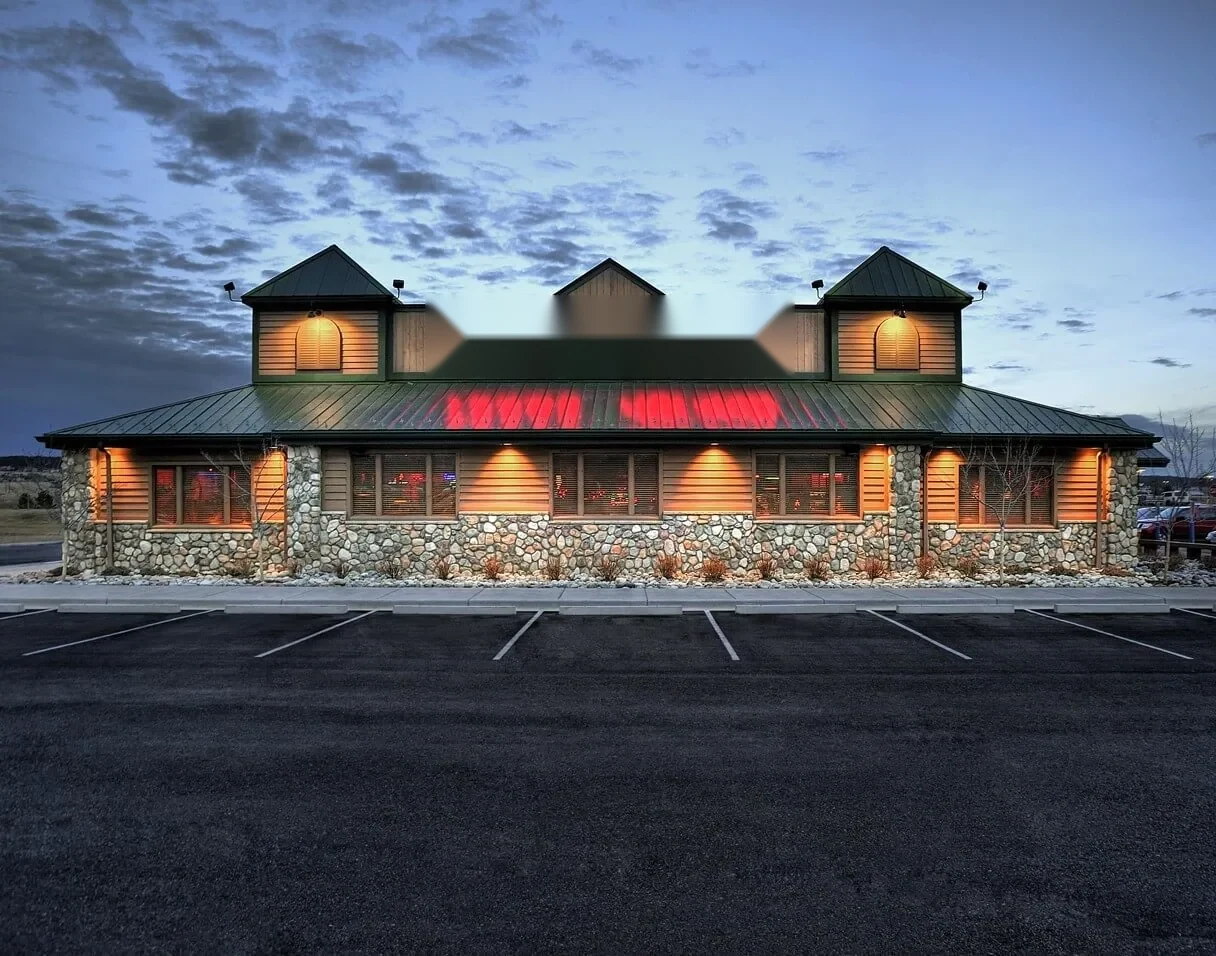
Restaurant Roofing in Denton, TX
A stain above a kitchen or dining room can interrupt service before anyone knows whether the roof is at fault. We record the reported location and time, identify the owner contact, and record whether water is still active. The inspection then follows the roof area above that report. The record separates an observed seam or flashing issue from a suspected cause that needs more evidence.
Denton's annual precipitation normal is 38.44 inches. It is a regional climate measure, not proof of a leak at a restaurant. For properties in Denton, Corinth, or Sanger, the roof assembly, drainage, and equipment details determine the inspection.
Locate the Symptom Before Opening the Roof
We ask which room or service area is affected, when the condition began, whether the symptom changes during rain, and who can authorize roof access. That information narrows the first inspection area. We compare it with the roof plan and review the nearest drains, curbs, penetrations, parapets, and repair history. A stain can sit away from the entry point, so we do not price a permanent fix from the interior report alone.
If several events are reported, each gets its own date and location. The photos show where the inspector walked and which area remained inaccessible. Any test cut, moisture scan, or interior opening requires owner approval and is described before it is performed.
Exhaust curbs and grease-related residue deserve a careful visual record. We record where residue appears, the condition of flashing and metal, and whether the equipment owner needs to clean or service adjacent components. That observation does not identify a leak by itself. It helps the restaurant manager assign the roof work and mechanical work without leaving the interface between trades unresolved.
Review Exhaust and Roof Penetrations
Restaurant roofs may carry kitchen exhaust, make-up air, plumbing vents, and utility lines. We inspect the flashing around each penetration and record grease, residue, heat effects, loose collars, or abandoned openings where visible. The condition record should distinguish roof work from duct cleaning, fan service, and other trade responsibilities.
Exhaust equipment can change how water and debris collect at a detail. We check nearby seams and drainage rather than treating the curb in isolation. If equipment must be shut down, disconnected, or lifted, the owner assigns the appropriate trade and approval. The roofing scope states where that coordination begins and ends.
When a roof includes several membrane patches, we compare each patch edge with the surrounding field and the reported water path. A patch that remains bonded may not need replacement; a lifted edge can admit water or trap debris. We photograph the detail and state whether the repair can be isolated. If the membrane type is uncertain, we confirm compatibility before specifying a repair material.
The first visit should also record whether water is active, whether the ceiling or insulation is saturated, and what temporary protection the owner has approved. We do not assume a visible drip is the only affected area. Roof surfaces may hold moisture after the interior symptom stops. The report identifies follow-up observations that would establish whether the repair can remain limited to one flashing or seam.
Keep the repair record where the operating manager and property owner can both find it. Include the roof-zone reference, photographs before and after work, material or detail addressed, and any follow-up that remains. If water appears again, compare the new report with that record before assigning another repair. The date, location, and scope boundary make that comparison possible.
When a repair depends on dry conditions, we identify that limit before the work window is approved. The owner can then coordinate service, deliveries, and access with a realistic roof sequence rather than an unqualified date.
Schedule Around Service and Deliveries
The owner sets kitchen hours, delivery access, security, and any restricted work periods. We ask for the contact who can approve roof entry and temporary interior protection. Staging, lift placement, noise, and a weather window affect timing. Those assumptions belong in the scope so a change in operating hours can be traced to the affected work area.
For urgent water, a temporary measure may protect an interior while a permanent detail is evaluated. We label the temporary scope, photograph the area, and state what must be checked before it can be closed. A restaurant can then coordinate the immediate response with service operations and plan the permanent repair separately.
A restaurant may need a narrow night or closed-day work window, but the owner confirms actual hours and access. We set a sequence for staging, roof opening, temporary dry-in, and cleanup. The scope records which steps depend on weather and which can continue without entering the kitchen. A change in the service calendar can then be handled as a schedule decision instead of an undocumented field assumption.
For phased replacement, separate roof openings by work period and show the temporary tie-in required at each stop. The owner can review how the roof remains protected between shifts and which kitchen or dining areas may need interior notice. Material handling, exhaust operation, and weather windows affect the sequence. A clear plan reduces last-minute changes without promising an unsupported completion date.
Set a Repair Boundary and Closeout
A split flashing or isolated puncture may support a focused repair when nearby membrane and insulation remain serviceable. Repeated openings, widespread seam issues, or wet insulation may change that judgment. We mark repair quantities and exclusions, then identify any testing needed to know whether the boundary should expand. The owner can compare that line with a replacement scope or a maintenance plan.
For a restaurant within a larger retail property, a shopping-center roof review can include shared areas. An hotel roof assessment may address different occupancy coordination. We document commercial leak repair, inspect drains and scuppers, and complete a roof inspection. For work in Corinth, access is confirmed with the property contact.
For a leak near a hood or exhaust fan, the roof review checks the curb, counterflashing, conduit, fasteners, and nearby membrane seams. The equipment itself may require a different trade. We identify who is responsible for any disconnection, lifting, or restart and do not include that work implicitly in the roofing quantity. This boundary matters when a repair is priced during a short operating window.
Timing and cost depend on the affected zone, roof system, access, interior protection, and how much material must be removed to reach sound substrate. We list a bounded repair, then identify conditions that would expand the scope. Closeout photos show the restored detail and any follow-up that remains. For a larger building program, the owner can keep that record with the inspection date and next capital decision.
Commercial Roofing Questions
What details help locate a kitchen leak?
Send the room or equipment area, time noticed, whether water is active, and any prior repair record. We compare that report with roof details and label the suspected path separately from confirmed observations.
Can exhaust equipment be included in a roofing repair?
The roof flashing can be part of the roofing scope. Fan, duct, electrical, or refrigeration work belongs with the responsible trade unless separately authorized. We identify the boundary before mobilization.
How do you work around restaurant hours?
The owner provides service hours, delivery periods, access contact, and any restricted time. We use those limits to plan staging, noise, interior protection, and the work sequence.
What should the closeout record show?
It should name the roof area, repair performed, photographs, limitations, and any follow-up. The record helps the manager connect a later report to the same zone.