
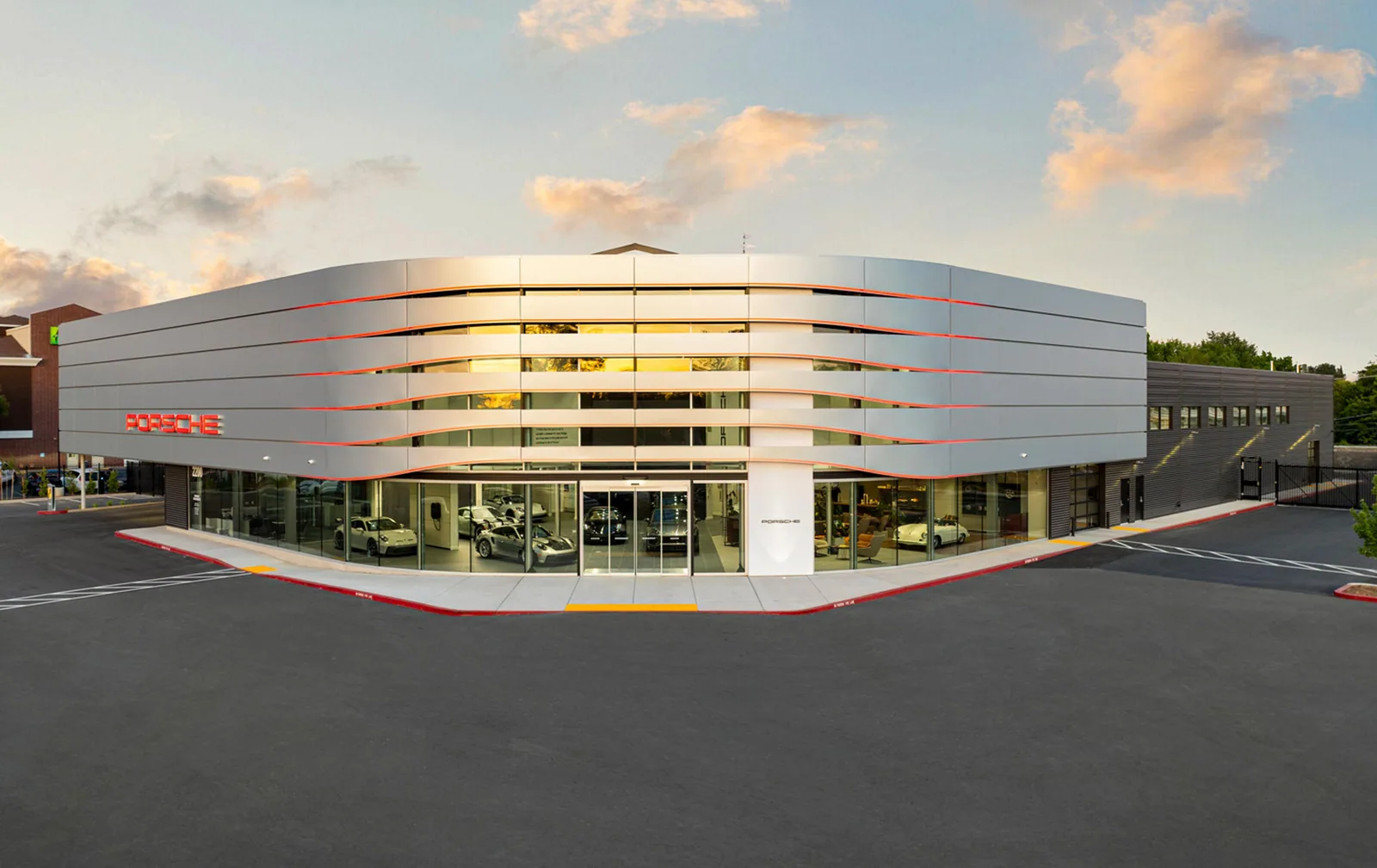
Auto Dealership Roofing in Denton, TX
A drip over a showroom display and water near a service bay create different operating problems. The first record should say which space is affected, when it was noticed and what is happening below the roof. In Denton, TX, we inspect the corresponding roof area and record the assembly, drainage path and visible condition. Our emergency line remains available overnight and on holidays for active water, when vehicle areas may need prompt interior protection and a roof check. The repair scope should identify the detail to be corrected and the boundaries of the work. That gives a dealer a decision point before sales hours, vehicle movement or service appointments are changed.
A dealership may use several connected spaces for sales, parts, offices and repair work. Roof sections can also differ by age or assembly. We label the observed area and keep it separate from assumptions about the rest of the property. A photo log can then connect a work order to the roof location above it. For adjacent commercial uses, our warehouse roof reviews and office building inspection scopes follow the same discipline, with the operating schedule reflected in access and sequence records.
Trace the report across connected spaces
Start with the department, room or bay, plus the report date and any related weather or rooftop service visit. We compare that information with roof plans, drain locations, curbs, skylights and wall transitions. Water may travel along a deck or insulation before it appears indoors. We photograph the affected roof area and nearby details, then record whether the leak path is confirmed or still under review. A stain alone does not set the repair boundary.
Service bays introduce equipment, exhaust points and scheduled vehicle access that can affect roof observations. We identify penetrations and flashing conditions without assuming that one detail explains every symptom. If a test opening is needed, the owner authorizes its location and the interior area is protected. A commercial roof inspection can establish an updated condition record. For active water, our emergency repair response can address containment and investigation while permanent work is defined from the findings.
Keep each roof option comparable
A local repair may fit when the defect is isolated and the surrounding membrane, seams and flashing remain suitable. We describe the detail, area and work method, then record the conditions that could change the scope. If findings show moisture in insulation or several failing transitions, the proposal can separate further investigation from immediate protection. That is more useful than pricing one patch without saying what is known about the adjacent roof.
Replacement can enter the comparison when problems extend across a section, repeat at multiple details or no longer support a durable local repair. We can present a repair scope beside a replacement scope and identify area, phasing, access and exclusions for both. A recover or coating is not interchangeable with replacement; assembly compatibility, moisture and drainage need to be checked first. The recover review and coating assessment document those conditions before an option is priced. The dealer can compare disruption to the sales floor and service schedule with capital timing.
Protect customer and service movement
Before scheduling, identify showroom hours, vehicle delivery windows, service-bay use, parts receiving and the areas that must stay open. The site contact can point out customer entrances, accessible routes, fire lanes and approved equipment staging locations. We put those constraints into the work sequence. If a lift or material drop will cross a vehicle path, the plan should name the time and area so staff can manage movement.
Noise, odor and temporary closures vary by material and method. We state the roof section involved and how it will be protected when crews leave. Weather may change the order of work, so the dealer contact needs a clear update path. Denton’s Loop 288 and US 380 corridors are named in the city’s development plan as transportation routes relevant to access and development; current traffic and construction still require a check before a delivery is timed. A roofing service near Krum can keep customer-facing and service areas distinct during the project.
Separate Denton context from roof findings
The Denton weather series places the July mean maximum at 95.9°F. Its August mean maximum is recorded separately at 95.8°F. The series describes the city, not the dealership roof. We inspect the membrane, seams, flashing and rooftop equipment at the actual building. Denton County’s tornado climatology supplies regional context; dated photos and roof findings determine whether work is supported.
A Denton dealership can be located relative to Downtown TIRZ, Westpark TIRZ, or the Loop 288 and US 380 network in city planning. The labels help orient a service call. Current access, gate rules and roof type come from the property file and inspection. Frisco or Prosper assets need separate photos and findings.
Build a useful work file
Gather the last inspection, roof plan, repair tickets, warranty documents and photos of the interior report. Mark which building or roof area supports sales, offices, parts or vehicle service. Add the decision date and operating restrictions. We can compare the record with current observations, then list gaps that require another visit or owner authorization. A prior invoice should be treated as history, not proof of present condition.
For each proposed repair, retain the scope version, photo log, work location, exclusions and closeout record. If a claim is being reviewed, we can provide dated observations and records of roof work; the insurer makes its own coverage decision. A roof condition report keeps findings tied to a specific area. If water traces to a drain, our drain and scupper work can be defined as its own line item. That record helps a facilities manager compare the completed work with the approved proposal and plan the next budget review.
Commercial Roofing Questions
Can roof work proceed while the service department is open?
It can when the access route, bay use and work sequence are coordinated with the site contact. We identify staging, roof access and any temporary restriction before mobilization. If the scope affects an active service area, the dealer can plan appointments around the defined work window.
Does a leak above one bay mean the whole dealership roof needs replacement?
No. The report gives us a place to investigate. We inspect the roof area and connected details, then document whether the condition is local or extends farther. A broader recommendation should identify the observations that support it and keep unrelated roof areas separate.
What information should the manager have ready for an inspection?
Provide the affected space, date noticed, roof plan if available, prior repair records and a site contact. Add showroom, delivery and service-bay schedules. Those details help us plan access and connect photos to the right building area.
How do you protect vehicles and customer paths during repairs?
The scope records equipment staging, material routes and areas that must remain clear. We coordinate those points with dealership staff before the work date. Temporary protection is planned for the affected area, and any change to access is communicated through the site contact.
When should a dealer compare a coating or recover with replacement?
Only after the existing assembly, moisture condition and drainage have been reviewed. We document whether the roof can support a recover or coating and state the assumptions. The owner can then compare those options with repair or replacement using the same roof findings and operating limits.