
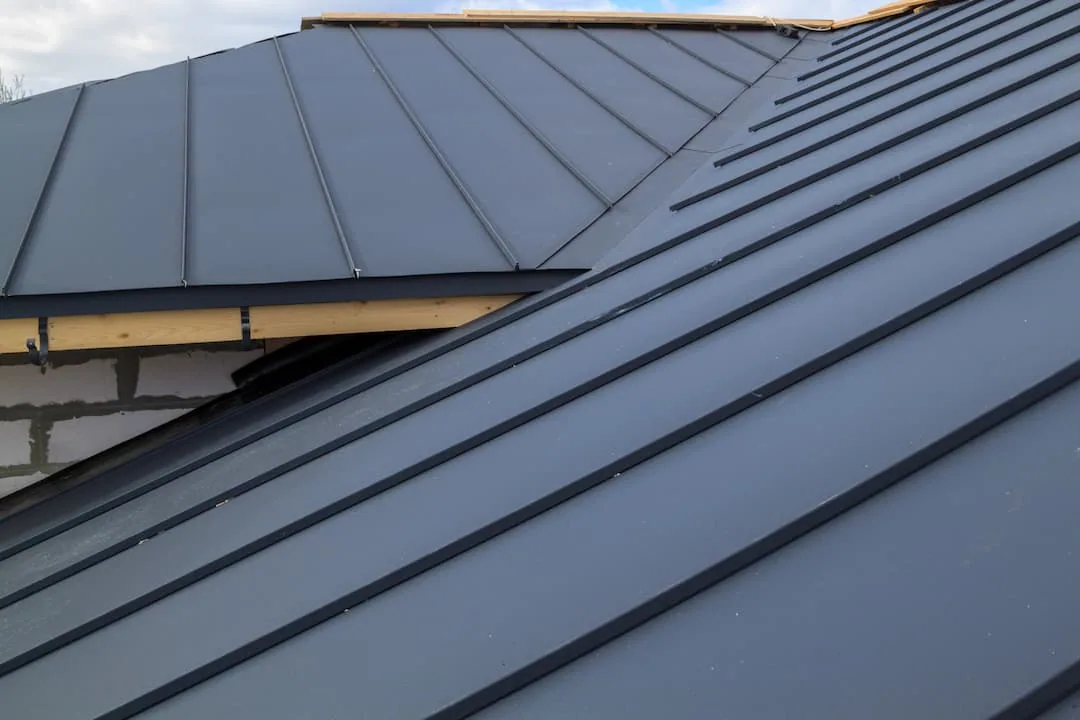
Sika Sarnafil Commercial Roofing in Denton, TX
The roof file says Sarnafil, yet the repair decision turns on the PVC sheet and details installed at each area. We confirm the product record, inspect the field, and map what can be confirmed. At a Denton, TX property, that record helps the owner compare a seam repair with broader work without treating a product family as proof of current condition.
Sika Sarnafil commercial roofing includes PVC membrane systems. The exact membrane, accessories, and installation method should be confirmed from the submittal and field details. Our commercial roof inspection records welds, flashing, drainage, attachment, and prior repairs by roof area.
Confirm the Sheet and Accessories
Gather product submittals, shop drawings, closeout records, warranty documents, invoices, and repair history. Tie each record to a building section and date. A roof may include different phases, a later overlay, or repairs made with materials that are not identical to the original package. The roof plan should show those boundaries rather than carry one identification across the entire property.
Compare the listed Sarnafil membrane with sheet labels, thickness records, seam details, flashing pieces, insulation, cover board, and attachment records. PVC product families can have different reinforcement or accessory requirements. Do not infer the exact sheet from color, exposed surface, or an old proposal heading. A PVC assembly review can frame the material questions, Compare the same record with GAF system records and Versico product documentation when reviewing alternate assemblies.
If a product substitution appears in a change order, keep the signed revision and installation area together. List any detail that cannot be matched to the current field condition. That gives the owner a clear confirmation step before selecting a repair material.
Inspect Welds and Prepared Surfaces
Review representative hot-air welds for open edges, contamination, wrinkles, inconsistent termination, and earlier patches. Record the location and length of the visible condition. Test a seam only with an appropriate method that will not damage the membrane. Record the test location, preparation, and result. A single test point is not a finding for every roof area.
Before a patch is specified, confirm that the surface can be prepared and that the selected membrane and flashing materials are compatible. Record weather conditions when they affect the work, along with the equipment and access needed. A PVC repair scope should state the cutback, cleaning, weld, tie-in, and final inspection. Keep a temporary cover separate from the permanent seam correction if water is active.
At parapets, curbs, pipes, drains, corners, and transitions, inspect termination and support as carefully as the field sheet. Capture the whole detail and close view. If equipment or a walkway hides the seam edge, document the access limit and return requirement rather than marking it as sound.
Trace Water Beyond the Field Sheet
A leak report below the roof does not automatically identify the point of entry. Water can move along insulation, a deck flute, or a transition before reaching the interior. Map the reported area, inspect nearby seams and penetrations, and keep the suspected path separate from the observed defect. If moisture extends beyond what is visible, list the test opening or survey needed to establish a boundary.
Check drain bowls, strainers, scuppers, overflow paths, low points, and flashing at each outlet. Record debris, movement, and standing water at the inspection time. Drainage maintenance and membrane repair may need separate lines in the scope. A drainage review can identify whether a correction is routine service or a change to drain height or slope.
Westpark TIRZ is a Denton industrial district north of Airport Road. For an operating property in that broader setting, roof access and service paths may affect where an inspection can begin. The district fact does not reveal a building's roof construction. The report still needs the property plan, accessible areas, and actual field observations.
Compare Repair, Recover, and Replacement
A local repair may be appropriate when the defect is bounded, adjacent sheet remains serviceable, and compatible material can be used. Recurring weld separation, multiple failing flashings, widespread moisture, or degraded attachment can change that decision. We map each condition and identify the evidence behind the recommended work. Roof age alone does not set the repair boundary.
A recover proposal requires review of existing layers, moisture, deck, drainage, edge height, insulation, and attachment. A coating is not interchangeable with a new PVC membrane. If coating is considered, document surface preparation, adhesion testing, moisture limits, and system requirements first. A replacement comparison should define tear-off, temporary dry-in, equipment coordination, phasing, and disposal. Keep alternates tied to the same roof area.
The NWS normal series assigns Denton 38.44 inches of yearly precipitation and a July mean maximum air reading of 95.9 degrees Fahrenheit. Use those figures for regional planning only. The day's conditions and the assembly on the roof decide whether a weld operation can proceed.
Confirm Access Before Mobilization
Record the site contact, occupied hours, fall-protection rules, staging space, equipment paths, and any roof sections that require escort or shutdown coordination. Identify the person authorized to release a work area. For a PVC repair, the plan should show where tools and hot-air equipment can be used safely and where temporary protection will remain at shift end.
City planning materials identify Loop 288 and US 380 as Denton transportation corridors. Their current travel conditions and project status can change. Confirm the route, delivery time, and property entrance before setting a crew date. A project near Krum or Argyle still needs property-specific access and jurisdiction checks.
When an owner needs a budget decision before all details can be opened, separate confirmed conditions from allowances. A capital timing plan can show the immediate repair, open question, and next review date without presenting an unresolved condition as a fixed scope.
Preserve the Sarnafil Work History
Keep approved submittals, roof maps, inspection photographs, scope versions, access records, repair records, and warranty correspondence together. Show which locations were confirmed as Sarnafil and where another phase or repair changes the assembly. For each weld, capture preparation, final appearance, and any field change that the owner authorized.
At closeout, photograph the finished seams, flashings, drains, curbs, and edge details with reference views. Record exclusions and conditions not visible at the time. A later visit should reuse the same area labels so the owner can distinguish a completed correction from a new observation.
Send the roof area, decision date, available Sika Sarnafil records, and access contact. We will document the observed condition and outline the next scoped step for the Denton property team.
Commercial Roofing Questions
How do we confirm a Sarnafil membrane before specifying a repair?
Match the product submittal or closeout file to the sheet, welds, flashing, and accessories at the roof. We map confirmed areas and list any phase or substitution that needs further review.
What can cause an open PVC weld?
Surface contamination, preparation, seam conditions, or later disturbance may be relevant. We record what is visible, test an appropriate location, and confirm the product requirements before selecting a repair method.
Can a Sarnafil roof be coated instead of repaired?
A coating is a separate system choice. Eligibility requires review of the membrane, moisture condition, preparation, adhesion, and product requirements. We document those checks before comparing it with PVC repair or replacement.
Does an interior stain locate the failed weld?
Not by itself. We map the interior report, inspect nearby roof details, and identify testing or access needed to trace the path. The report keeps observed condition separate from a suspected entry path.
What should be included in the completed roof file?
Retain product records, roof-area map, inspection date, repair scope, preparation and closeout photos, access records, and any warranty correspondence. Record open items beside the location they affect.